
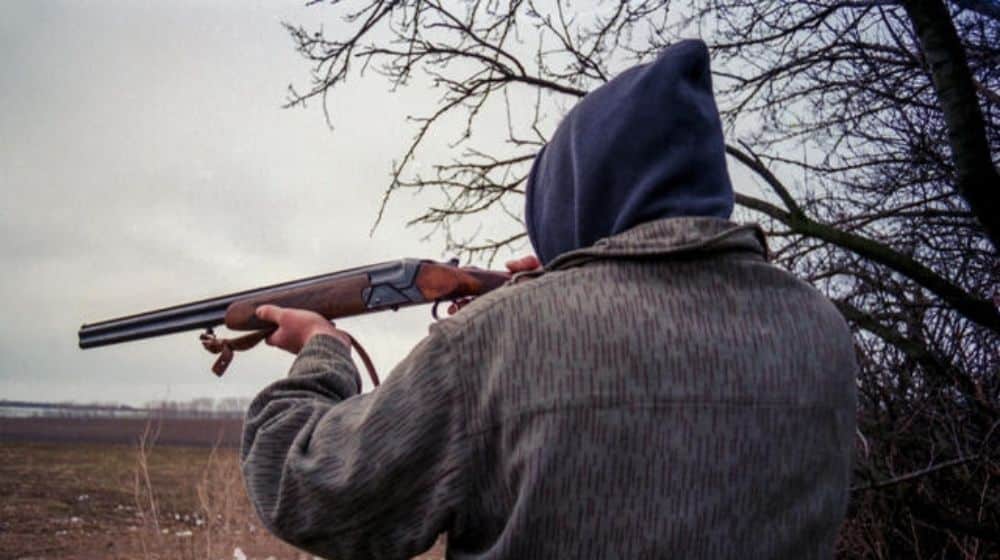
Preserving biological equilibrium is a baseline requirement for any modernizing capital. Consequently, the Islamabad Wildlife Management Board (IWMB) has launched a strategic investigation into illegal hunting Islamabad activities within the Margalla Hills. Authorities suspect a coalition of local residents and foreign nationals in the systemic trapping of wildlife within protected forest zones. This breach highlights a critical vulnerability in our urban-ecological interface that requires immediate, calibrated intervention.
The Mechanics of Illegal Hunting in Islamabad
The investigation gained momentum after IWMB officials discovered a deceased barking deer in Sector E-7. Structurally, the perpetrators used wire snares to target indigenous species, a method that is both indiscriminate and lethal. Furthermore, the discovery of multiple traps suggests a recurring pattern rather than an isolated incident.
- Evidence Recovered: Multiple wire snares and illegally installed traps.
- Impacted Species: Barking deer, wild boars, and monkeys.
- Legal Framework: Case registered under the Islamabad Nature Conservation and Wildlife Management Act 2024.
- Suspected Entities: Local residents and specific foreign nationals residing in nearby urban clusters.
Following the discovery, the board registered a formal FIR at the Kohsar Police Station. This legal maneuver aims to neutralize the network responsible for these violations. Wildlife guards have intensified their surveillance protocols to prevent further ecological degradation in the protected sectors.
The Situation Room Analysis
The Translation (Clear Context)
The transition from general poaching to organized illegal hunting Islamabad indicates a systemic failure in perimeter security. While “snares” may sound primitive, they represent a high-efficiency, low-noise method to bypass standard wildlife patrols. The application of the 2024 Act signifies that the state is shifting from simple fines to a more robust criminal prosecution framework to deter sophisticated wildlife crimes.
The Socio-Economic Impact
Biodiversity is the backbone of Islamabad’s urban ecosystem. For the average citizen, the loss of wildlife translates to a degradation of the natural heritage that defines the city’s value proposition. Beyond aesthetics, illegal hunting disrupts the predator-prey balance. This disruption potentially increases the frequency of wild boars entering residential areas, creating a direct safety hazard for households.
The Forward Path (Opinion)
This development represents a Stabilization Move. While the FIR and increased patrols are necessary reactive measures, they do not yet constitute a momentum shift. To achieve true progress, the IWMB must integrate precision technology, such as thermal drone surveillance and geofenced sensors. We must evolve from reactive policing to a predictive conservation model to safeguard our natural frontier.








