
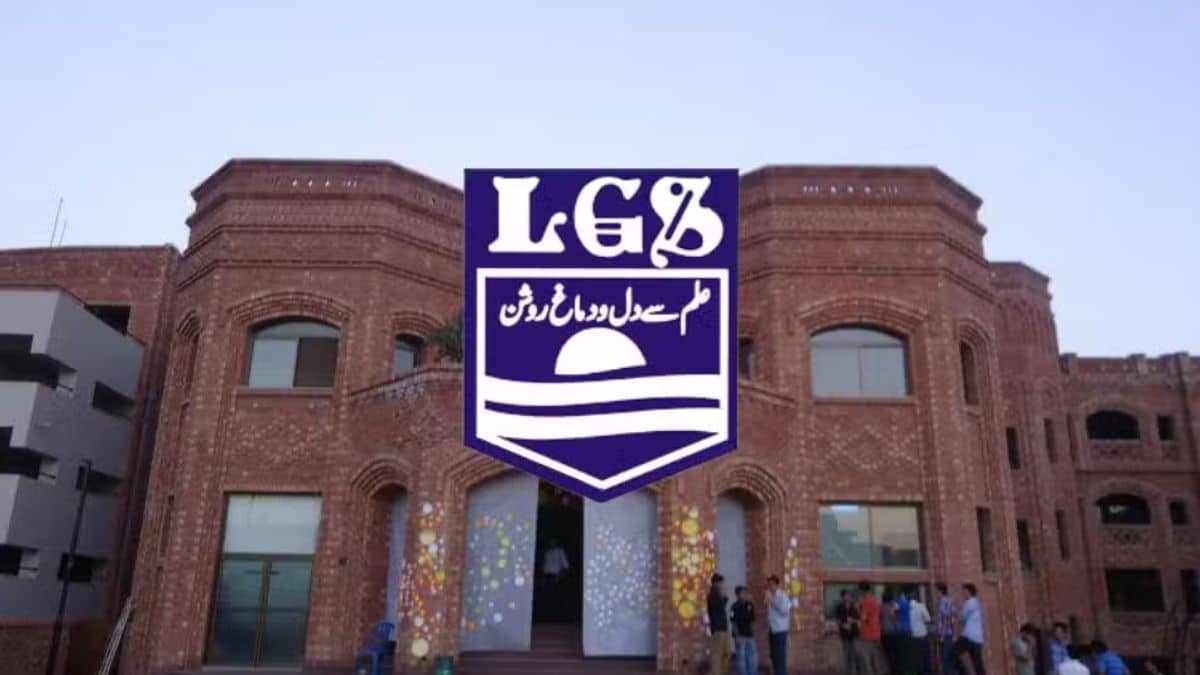
Institutional Defiance of Punjab School Vacations
Institutional protocols require calibrated adherence to state safety mandates to ensure systemic stability. Recently, Lahore Grammar School (LGS) bypassed official directives regarding Punjab school vacations, prompting a significant debate on educational governance. The Punjab government originally scheduled these closures from May 22 to August 24, citing extreme heatwave risks that threaten student health. Consequently, the decision by LGS to resume exams on June 1 represents a structural break from provincial safety standards.
Analyzing the Operational Conflict
Reports indicate that LGS students were instructed to attend exams despite the mandatory closure period. This is not an isolated incident; earlier in May, students alleged that the institution forced class attendance during the initial vacation rollout. Furthermore, a secondary controversy emerged when the school reportedly requested students to appear for exams in “plain clothes.” This strategic move was likely intended to minimize public visibility and avoid administrative scrutiny from provincial authorities. Such actions suggest a deliberate attempt to circumvent the baseline regulations established for child welfare.
The Translation: Contextualizing the Defiance
In this context, the conflict is between “Institutional Autonomy” and “State Public Health Law.” LGS is attempting to maintain an aggressive academic calendar to ensure curriculum completion. However, the state views the heatwave as a biological hazard that supersedes private scheduling. The “Next Gen” logic is simple: academic progress cannot occur at the expense of physical safety. When a catalyst like a heatwave occurs, the system must prioritize the preservation of human capital over traditional examination timelines.
The Socio-Economic Impact
The refusal to honor Punjab school vacations directly impacts the daily lives of thousands of Pakistani families. For urban households, this defiance forces a choice between academic penalties and the risk of heatstroke for their children. In a country where energy infrastructure is often strained, keeping large school facilities operational during peak heat increases the local load and financial burden. This misalignment creates unnecessary friction for parents who must navigate conflicting instructions from the school and the government, leading to decreased trust in the educational hierarchy.
The Forward Path: Strategic Opinion
This development represents a Stabilization Move that has failed to account for environmental realities. While maintaining academic standards is necessary, the defiance of state safety orders indicates a lack of precision in institutional risk management. For Pakistan to advance, private institutions must align their operations with national climate adaptation strategies. True momentum shift will only occur when our schools prioritize long-term student resilience over short-term administrative targets. Constructive collaboration between the government and private schools is the only path toward a more efficient and safe educational system.








