
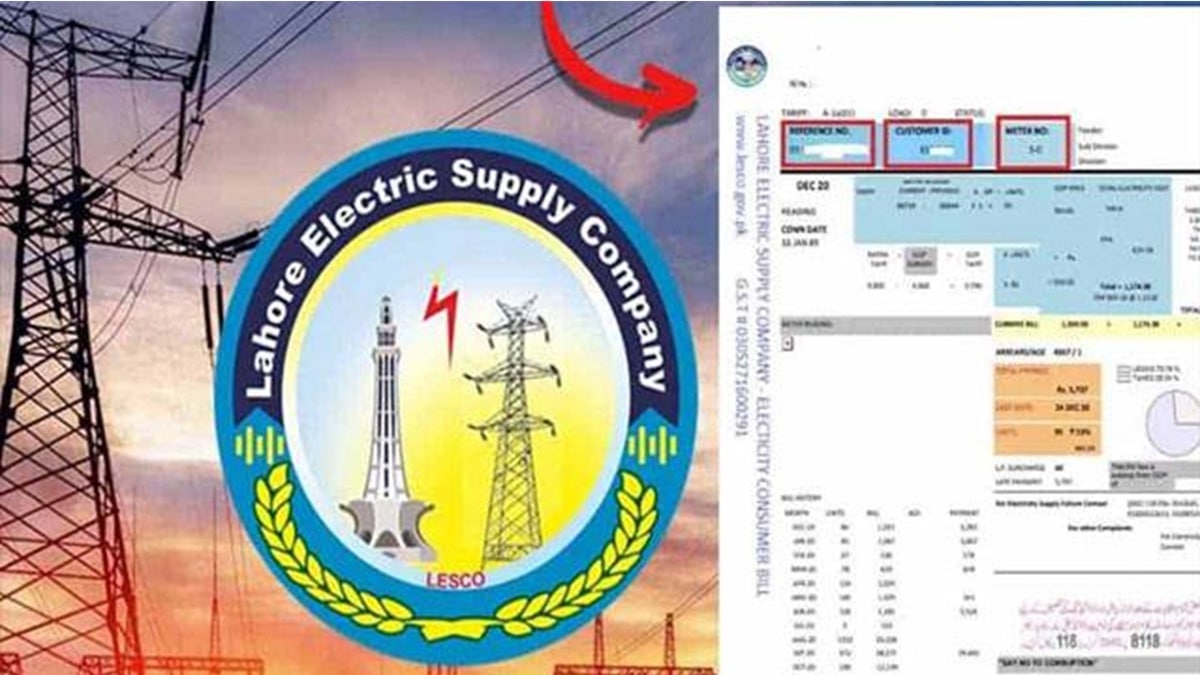
The Lahore Electric Supply Company (LESCO) has overhauled its billing architecture, removing granular tax breakdowns from printed statements. This LESCO bill taxes adjustment shifts detailed data—including fuel price and tariff adjustments—behind a QR code interface. Consequently, this streamlining of the physical document requires digital interaction for fiscal clarity and precise bill verification.
Deciphering the New LESCO Bill Taxes Structure
The Translation (Clear Context)
LESCO is pivoting from analog transparency to a “Digital-First” verification model. By consolidating the various charges into a single total on the physical paper, the utility provider aims to reduce printing complexity. Users must now utilize smartphone scanners to access the underlying ledger of fuel price adjustments (FPA) and quarterly tariff adjustments (QTA). Furthermore, the redesigned bill incorporates three distinct QR codes calibrated for specific functions: tax detail viewing, registration for the “protected category,” and direct bill payment.
The Socio-Economic Impact
For the average household, this change introduces a strategic “Digital Friction” barrier. While urban professionals may find QR codes convenient, less tech-savvy citizens or those in rural areas without smartphones may struggle to verify their monthly charges. Specifically, this shift could mask sudden price hikes in adjustments during the transition phase, potentially leading to confusion during payment cycles. The socio-economic burden of transparency is effectively shifted from the utility provider to the consumer’s digital proficiency.
The Forward Path (Opinion)
This development represents a Stabilization Move aimed at operational efficiency, yet it risks a temporary transparency deficit. To evolve into a true Momentum Shift, LESCO must ensure the digital portal is zero-rated for data and accessible via SMS for non-smartphone users. Strategic precision in billing is welcome, but accessibility must remain the baseline for national utility services.








