Precision Enforcement: Tackling Systematic Traffic Violations
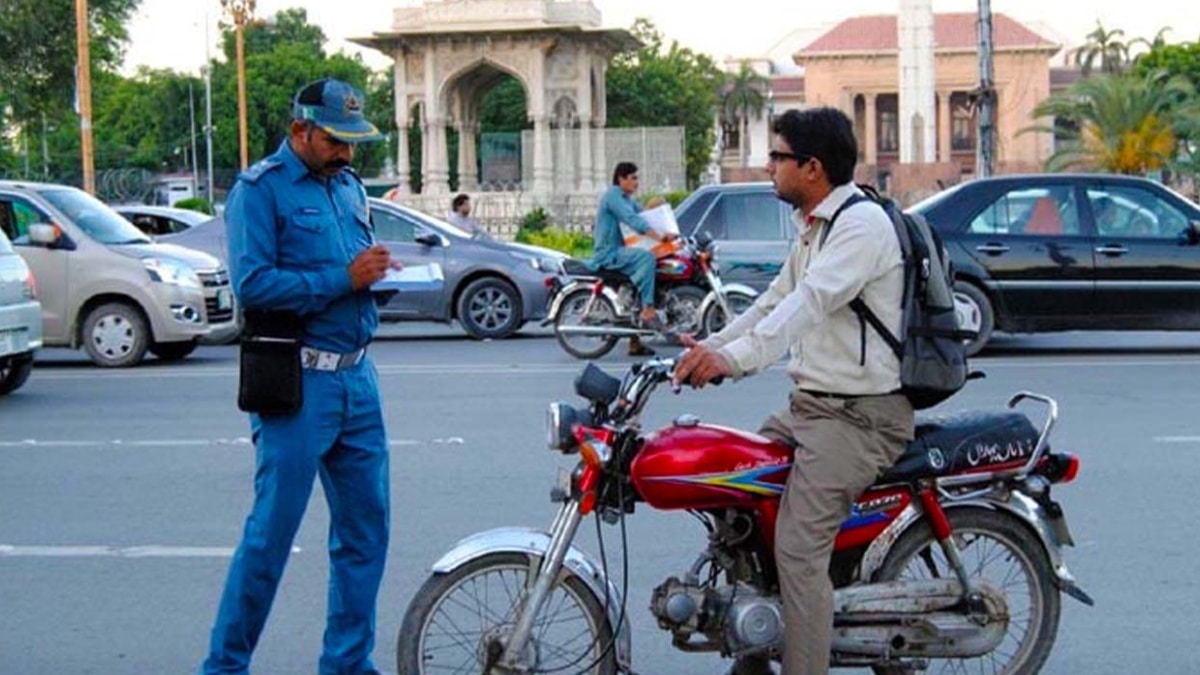
The Lahore Traffic Police recently executed a high-precision operation against record-breaking violators of the city’s digital monitoring network. Authorities apprehended Baz Muhammad, a motorist who accumulated a staggering Rs. 2.088 million in unpaid e-challans. This calibration of law enforcement signifies a structural shift toward total digital accountability within Lahore’s urban infrastructure.
During a routine inspection, CTO Lahore Abdul Rahim Shirazi confirmed that the suspect’s record triggered an immediate alert. Consequently, investigators discovered a massive fleet of 421 vehicles, including motorcycles and rickshaws, registered under the suspect’s identity. This case highlights a critical baseline for how systematic evasion can disrupt urban order until identified by sophisticated data verification.
The Translation: Decoding Administrative Complexity
In technical terms, this incident reveals a previous lag between vehicle registration databases and real-time enforcement. The suspect leveraged the volume of 421 registered assets to dilute individual penalties. However, the Safe City project now integrates these data points into a singular enforcement matrix. When authorities “blacklist” a vehicle, they effectively freeze its legal status, preventing sales, transfers, or legal road usage. This administrative lockout is the primary catalyst for forcing compliance from high-frequency violators.
The Socio-Economic Impact: Protecting the Urban Citizen
This enforcement action directly benefits the daily lives of Pakistani citizens by stabilizing the rule of law on public roads. When drivers ignore unpaid e-challans, they foster an environment of unpredictability that endangers students, professionals, and families. By recovering millions in lost revenue, the state can reinvest in smarter traffic signals and better road infrastructure. Furthermore, rigorous enforcement reduces the “impunity gap,” ensuring that wealthy or high-volume owners are subject to the same precision standards as any other resident.
The Forward Path: A Momentum Shift in Civic Discipline
We categorize this development as a significant Momentum Shift. The transition from manual ticketing to automated, enforceable blacklisting represents a maturation of Pakistan’s digital governance. While the discovery of 421 vehicles under one name points to a need for tighter registration limits, the capture of this record defaulter proves the system is finally closing its loops. We expect this move to serve as a strategic deterrent, compelling a shift toward more disciplined civic behavior across the province.