
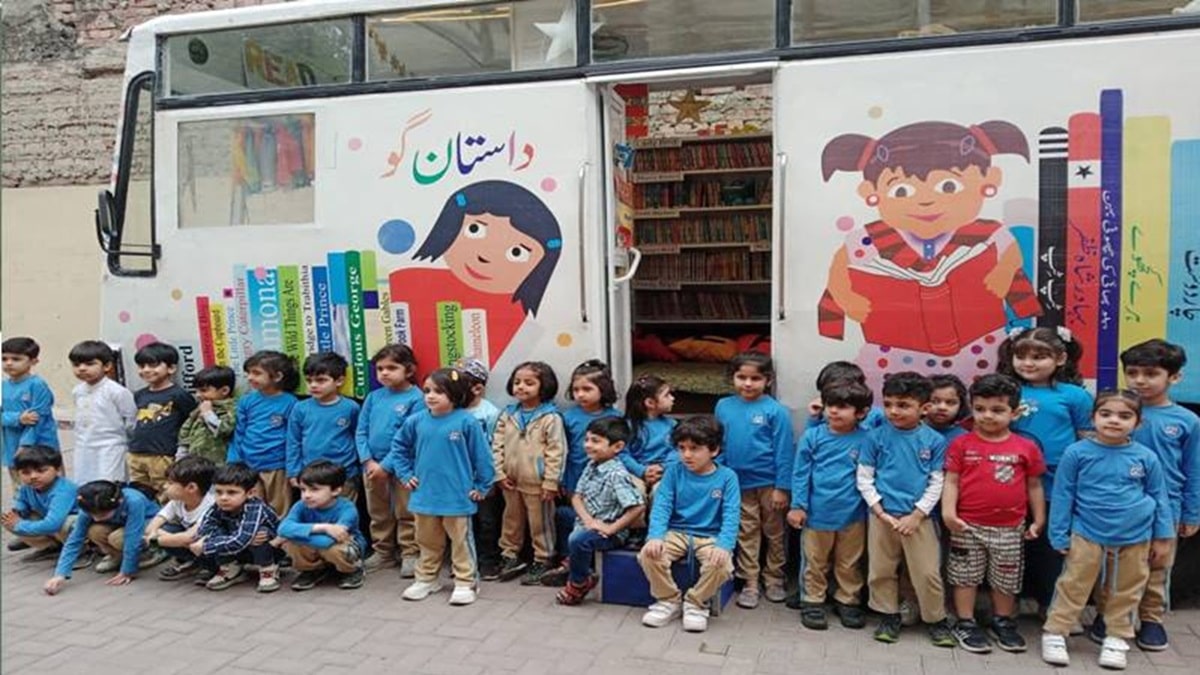
The Punjab education authorities are calibrating a structural shift in educational delivery by launching the Libraries on Wheels project across Lahore government schools. This strategic initiative, valued at Rs. 198 million, integrates mobility with modern digital infrastructure to bridge the literacy gap. Consequently, students in underserved areas will gain unprecedented access to curated books and high-tech interactive tools. By deploying a mobile library system, the state is effectively decentralizing knowledge and prioritizing systemic efficiency.
Optimizing the Mobile Library System for Digital Literacy
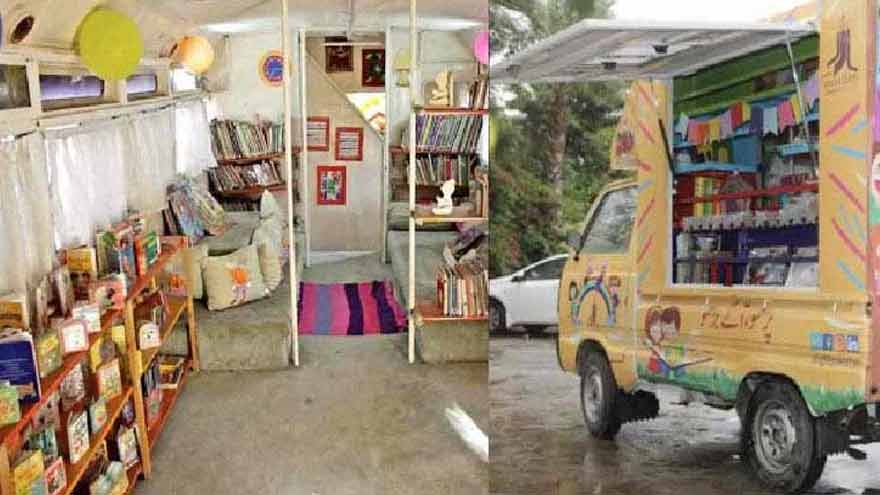
The District Education Authority has designed this project to function as a catalyst for modern learning. Under the initiative, the government will purchase 85 electric vehicles and convert them into sophisticated mobile hubs. Each unit features 20 modern tablets and a large LED screen to support interactive learning activities. Furthermore, these vehicles will adhere to a precision-timed schedule, ensuring that every school receives dedicated educational services on a consistent baseline.
The Situation Room: Analysis of Libraries on Wheels
The Translation (Clear Context)
This project converts the traditional, static library model into a dynamic, mobile resource network. Instead of waiting for students to visit distant facilities, the state is moving the infrastructure to the student. The use of electric vehicles ensures that the Libraries on Wheels program remains environmentally sustainable and cost-effective. Each vehicle acts as a portable digital lab, providing the same high-tier resources found in elite private institutions to government school students.

The Socio-Economic Impact
The socio-economic implications for Pakistani households are profound. For students in rural and low-income urban areas, this project removes the financial and geographical barriers to advanced learning materials. By mastering digital tools early, these students develop the technical precision required for the global job market. Consequently, this initiative stabilizes the educational baseline for thousands of families, fostering a more competitive and literate future generation.
The Forward Path (Opinion)
This development represents a definitive Momentum Shift in Pakistan’s educational strategy. By prioritizing mobile infrastructure over expensive, static brick-and-mortar buildings, the government is maximizing its return on investment. This calibrated approach to resource distribution is exactly what is needed to modernize our national learning framework. While implementation consistency remains the baseline for success, the structural logic behind this project is undeniably sound.








