
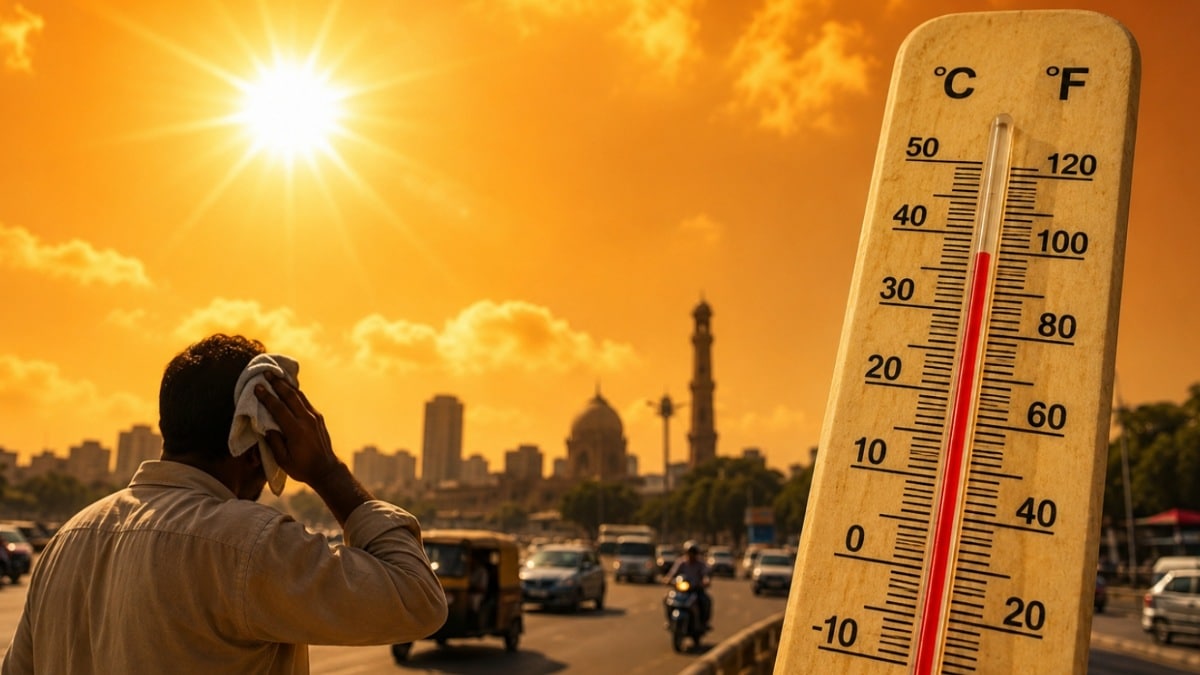
Climate volatility currently poses a structural challenge to Pakistan’s urban infrastructure. Lahore is calibrated to face a severe Lahore heatwave over the coming days, with peak daytime temperatures projected to reach a baseline of 44°C to 45°C. This thermal surge represents a critical atmospheric event, demanding precision in public health safety and personal energy management through June 12.
Strategic Outlook for the Lahore Heatwave
Meteorological data indicates that Punjab will remain under high-pressure conditions, resulting in hot and dry air across the province. In Lahore, the intense sunshine will likely increase the perceived heat index beyond recorded thermometer readings. Even nocturnal cycles offer minimal thermal relief, as minimum temperatures are expected to stabilize around 30°C. Consequently, the Provincial Disaster Management Authority (PDMA) has activated a formal alert for the period of June 8 to June 12.
- Peak Thresholds: 44°C to 45°C during daytime.
- Duration: Sustained intensity until June 12.
- Nightly Baseline: Sustained 30°C offering limited cooling.
The Translation: Calibrating the Thermal Index
While a 45°C reading refers to the ambient air temperature, the “RealFeel” or heat index will be significantly higher due to the absence of cloud cover and low humidity levels. This creates a “dry kiln” effect. The logic behind the PDMA alert is to mitigate the risk of heat-related illness such as hyperthermia and severe dehydration. When the body’s cooling systems are overwhelmed by such high external baselines, physiological failure can occur rapidly without strategic hydration.
The Socio-Economic Impact: Productivity and Vitality
Extreme weather events like the Lahore heatwave directly impact the daily lives of every Pakistani citizen. For the urban professional, it necessitates a shift in operational hours to avoid peak intensity. For the daily-wage laborer and agricultural worker, it represents a forced reduction in productivity, directly impacting household income. Furthermore, the surge in cooling demand places an immense load on our electrical grid, requiring citizens to be precise with energy consumption to prevent systemic outages.
The Forward Path: Building Climate Resilience
This development represents a Stabilization Move. While we cannot control the immediate thermal surge, the PDMA’s proactive alert systems show an evolving capacity for disaster management. However, for true progress, Lahore requires a structural pivot toward “green cooling” infrastructure and urban forestry to mitigate the heat-island effect in the long term. For now, precision adherence to safety protocols is the only viable catalyst for public safety.








