
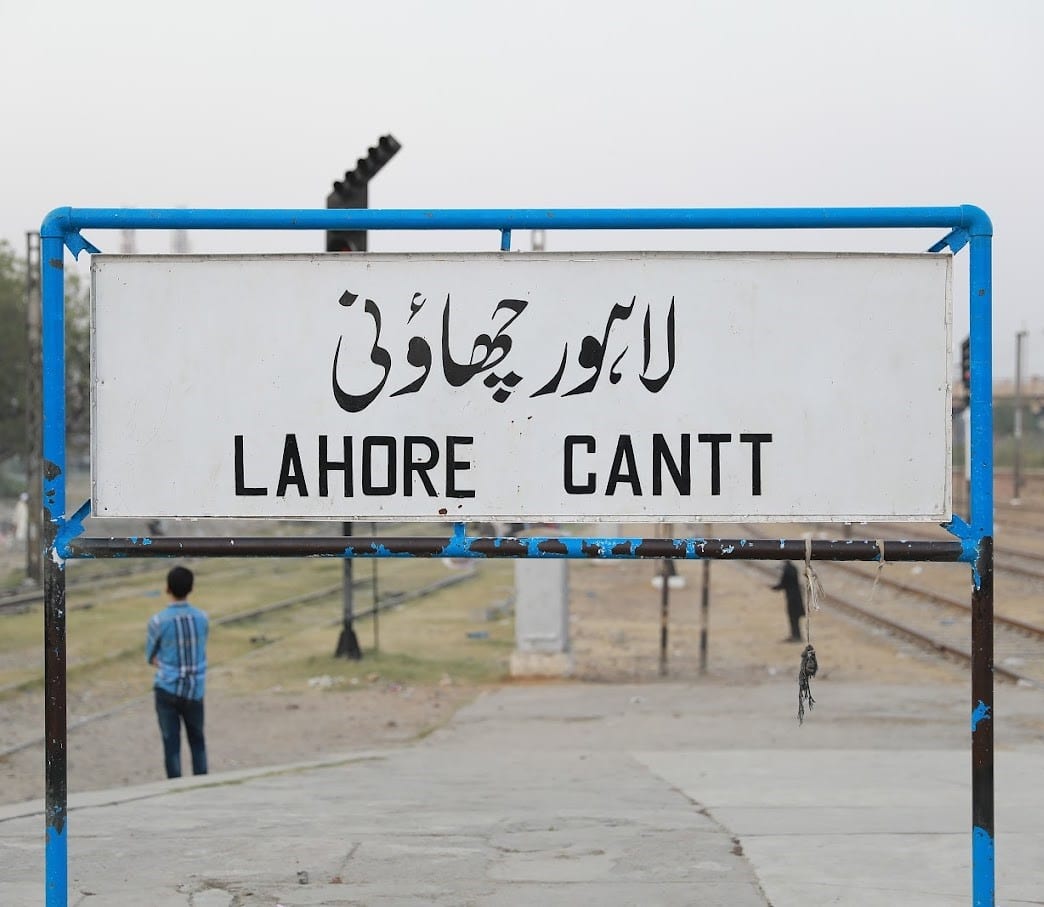
Police authorities recently calibrated the latest crime statistics for the provincial capital, revealing a strategic challenge for urban security. These official records show that Lahore theft cases involving bicycles and cattle have reached significant levels during the current calendar year. Specifically, the data highlights a concentrated surge in high-density zones, with the Cantt Division emerging as the primary hotspot for asset loss.
Strategic Baseline: Analyzing Current Lahore Theft Cases
The statistical distribution of theft across the city reveals a specific pattern of vulnerability. Law enforcement registered a total of 156 bicycle thefts and 508 cattle theft cases this year. Consequently, these metrics provide a baseline for assessing the structural security of different residential and commercial divisions.
Division-Specific Distribution: A Structural Breakdown
The Cantt Division leads the city in both categories, necessitating a calibrated response from local security forces. Furthermore, the Saddar and Model Town divisions also report elevated theft metrics. The breakdown of bicycle thefts is as follows:
- Cantt Division: 47 cases
- Saddar Division: 35 cases
- Model Town Division: 26 cases
- City Division: 19 cases
- Iqbal Town Division: 15 cases
- Civil Lines Division: 14 cases
Similarly, cattle theft statistics mirror this geographic concentration. The Cantt and Saddar divisions combined account for over 60% of the city’s livestock theft cases. This trend indicates a systemic focus by criminal elements on high-value mobile assets.
- Cantt Division: 163 cases
- Saddar Division: 158 cases
- Model Town Division: 81 cases
- Iqbal Town Division: 46 cases
- City Division: 42 cases
- Civil Lines Division: 18 cases
The Translation: Decrypting the Logic of Asset Theft
While these numbers represent “crimes,” the logic behind them is purely economic. Bicycles and cattle represent high-liquidity assets that are often easier to transport and sell than electronics or vehicles. The high frequency of Lahore theft cases in Cantt and Saddar suggests that criminals are targeting areas where urban sprawl meets semi-rural livestock management, exploiting gaps in perimeter precision.
The Socio-Economic Impact: Vulnerability in Urban and Rural Hubs
For the average Pakistani citizen, these thefts are not merely statistics; they are direct hits to household stability. A stolen bicycle often represents a student’s primary mode of transport or a worker’s link to their livelihood. In contrast, cattle theft acts as a catastrophic financial blow to families relying on livestock for income or food security. This loss of personal equity destabilizes the local micro-economy and increases the trust deficit in public safety systems.
The Forward Path: A Momentum Shift Toward Precision Policing
This development represents a Stabilization Move rather than a momentum shift. While the reporting of these cases is transparent, the high volume suggests that current deterrence measures lack the necessary technological precision. A strategic transition toward smart surveillance and community-linked livestock tracking is the required catalyst to reverse these trends. Until then, citizens must focus on calibrated self-security measures to protect their essential assets.








