
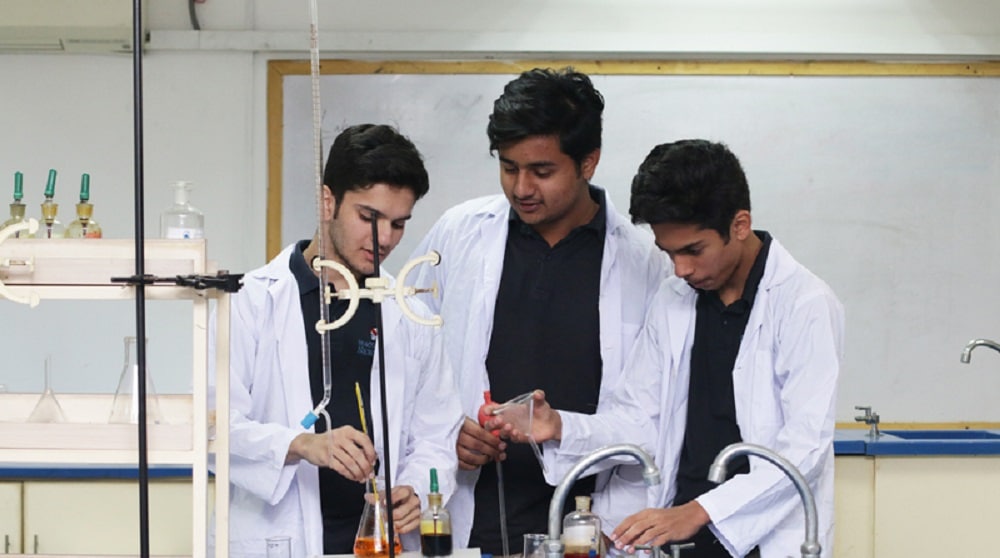
The Board of Intermediate and Secondary Education (BISE) Lahore has officially launched automated practical exams, marking a strategic baseline for academic transparency in Pakistan. Under the specific directives of Chief Minister Maryam Nawaz Sharif, this digital catalyst removes manual intervention from the examiner assignment process. Consequently, the board has calibrated its operations to ensure that merit remains the primary driver of student assessment across the province.
The Translation of Automated Practical Exams
Historically, the manual selection of examiners allowed for potential bias and favoritism within various examination centers. However, the new system utilizes a precision algorithm to deploy staff based on objective data points rather than personal preference. Furthermore, the Lahore Board has shifted all practical assessments to a centralized marking system. This structural shift effectively neutralizes human interference, ensuring that every student receives a fair score based strictly on technical performance.

The Socio-Economic Impact
For the average Pakistani household, this development offers a significant boost to the credibility of national academic credentials. Students in both urban and rural centers can now rely on a standardized evaluation system that ignores socio-political influence. Moreover, this transparency fosters a culture of meritocracy, encouraging young professionals to focus on skill acquisition. As a result, the national workforce becomes more competent and prepared for the global digital economy.
- Elimination of Favoritism: Examiners can no longer influence their own center postings.
- Enhanced Credibility: Centralized marking ensures uniform standards for all candidates.
- Digital Efficiency: Computerized systems reduce administrative delays and errors.

The Forward Path: A Momentum Shift
We categorize this transition as a significant Momentum Shift for the provincial education sector. While many reforms focus on superficial changes, the digitization of core assessment frameworks represents a fundamental structural improvement. To sustain this progress, the provincial government must now scale this automation to other regional boards. Constant data-driven oversight will remain the catalyst for long-term academic excellence and systemic integrity in Pakistan.








