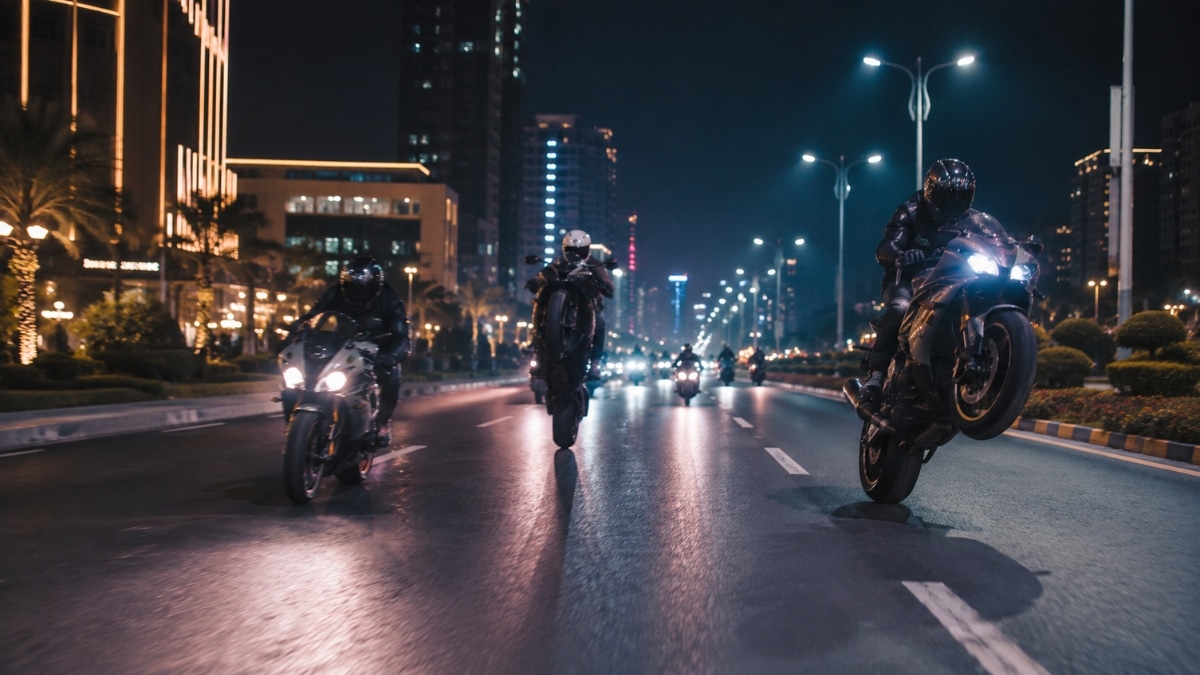
Optimizing urban infrastructure requires a precise balance between recreational freedom and public safety. Consequently, the Lahore Traffic Police have implemented a strategic Lahore bike ban on the Central Business District (CBD) Main Boulevard. This calibration aims to mitigate systemic risks associated with high-velocity street racing and excessive noise pollution in one of the city’s most modern architectural hubs.
Strategic Implementation of the Lahore Bike Ban
Chief Traffic Officer Syed Abdul Rahim Shirazi formally designated the boulevard as a restricted zone for heavy motorcyclists. Following numerous reports of dangerous riding patterns, authorities have deployed personnel to enforce these boundaries strictly. The directive targets groups that utilize the high-quality asphalt of the CBD for uncoordinated racing activities, which frequently endanger pedestrians and structural integrity. Furthermore, the traffic police confirmed that anyone found violating these protocols will face immediate legal repercussions.
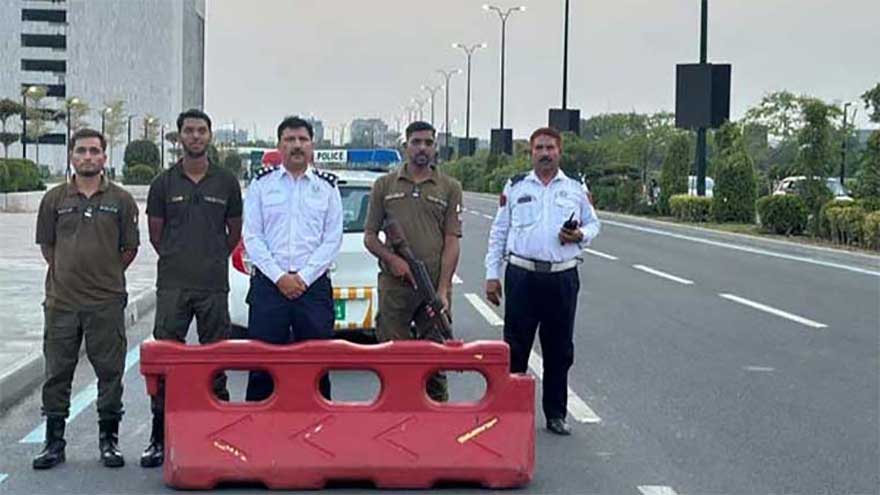
While the enforcement remains robust, specific details regarding engine-capacity thresholds and exact fine amounts remain under review. Currently, the restriction serves as a baseline preventative measure to restore order to the transit flow. Motorcyclists are advised to utilize alternative corridors and adhere to the guidance of on-site wardens to ensure a frictionless commute.
The Situation Room: Analysis
The Translation
The CBD Main Boulevard is a catalyst for economic growth, yet its superior infrastructure inadvertently attracted high-performance motorcycles. The logic behind this Lahore bike ban is not a rejection of motorized hobbyists but a recalibration of urban space usage. Authorities are essentially pivoting from a reactive stance to a structural containment of dangerous street culture.
The Socio-Economic Impact
For the residents and professionals of Lahore, this shift translates to a significant reduction in acoustic disturbance and a lower probability of high-impact collisions. Students and daily commuters can expect a more predictable transit experience. However, for the niche market of heavy bike owners, this creates a temporary deficit in recreational avenues, highlighting a potential need for dedicated racing circuits away from residential clusters.
The Forward Path
This development represents a Stabilization Move. While it effectively neutralizes the immediate danger on a key artery, it functions as a maintenance of order rather than a long-term innovative solution for motorcycle enthusiasts. To achieve true momentum, the city must eventually integrate dedicated speedways that satisfy the demand for high-performance riding without compromising the public’s safety baseline.