
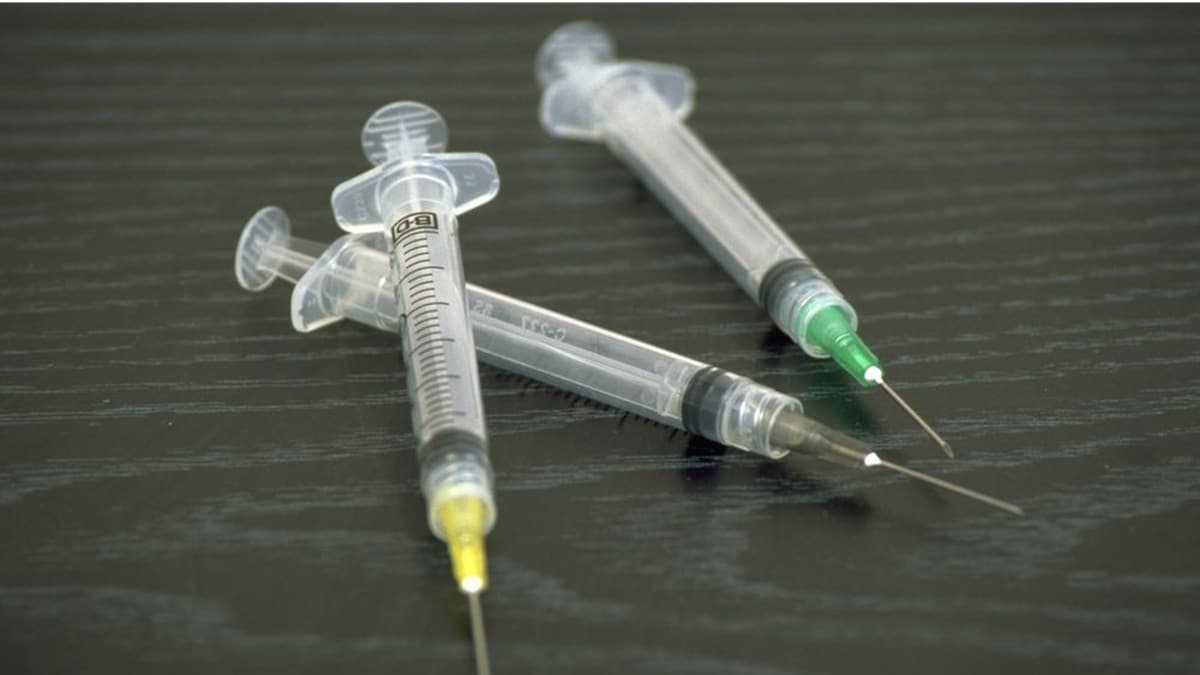
The Sindh Drug Testing Laboratory (SDTL) recently identified substandard auto-disable syringes from a Khyber Pakhtunkhwa-based manufacturer following rigorous quality assessments. Specifically, both 5ml and 3ml samples failed mandatory safety protocols established under the Medical Devices Rules of 2017. These failures center on the syringes’ inability to prevent reuse, a flaw that fundamentally compromises clinical safety. Consequently, healthcare authorities have initiated a structural review of these batches to mitigate risks to the national health ecosystem.
The Critical Danger of Substandard Auto-Disable Syringes
According to SDTL Director General Adnan Rizvi, the automatic safety mechanisms within these devices did not function with the required precision. This structural defect makes the syringes unsuitable for safe injection practices. When an auto-disable mechanism fails, the device loses its baseline utility as a sterile, single-use tool. Furthermore, the report emphasizes that such defects significantly increase the probability of accidental reuse in clinical settings.
- Regulatory Breach: Failure to comply with the Medical Devices Rules, 2017.
- Technical Failure: Non-functional auto-disable and reuse prevention mechanisms.
- Safety Risk: Increased potential for the transmission of blood-borne pathogens.
The SDTL has officially forwarded these findings to the Drug Inspector Karachi East and the Secretary of the Quality Control Board. This action ensures that the manufacturer faces calibrated regulatory consequences under existing healthcare legislation.
The Translation: Contextualizing Technical Failures
In the medical device industry, “auto-disable” refers to a calibrated internal lock that renders a syringe useless after one injection. When a laboratory flags substandard auto-disable syringes, it means the physical engineering of the needle failed to trigger this lock. While the device may still look functional, its internal safety architecture is broken. This failure essentially converts a precision medical tool into a high-risk vector for infection.
The Socio-Economic Impact: Effects on the Pakistani Citizen
The prevalence of substandard auto-disable syringes directly threatens the health security of every Pakistani household. Unsafe injection practices are the primary catalysts for the escalating HIV and Hepatitis crises within our borders. For a student or professional in an urban center, or a family in a rural village, a faulty syringe can lead to a lifetime of medical debt and chronic illness. Precision in medical manufacturing is a non-negotiable requirement for reducing the national disease burden and ensuring system efficiency.
The Forward Path: Strategic Analysis
This development represents a Stabilization Move. While the detection of these faulty units demonstrates that the Sindh Drug Testing Laboratory’s monitoring systems are operational, the initial entry of these products into the supply chain highlights a baseline vulnerability. Pakistan must transition toward a more strategic, proactive audit system for pharmaceutical manufacturing. Ensuring that every medical device is calibrated to international safety standards is the only way to build a resilient, forward-thinking healthcare infrastructure.








