

Calibrating Community Governance: The New Kalash Marriage Law
The Khyber Pakhtunkhwa (KP) government has strategically introduced a pioneering Kalash marriage law, establishing a precise legal framework to formally regulate marriage registrations within the Kalash community. Concurrently, this legislation meticulously preserves its unique cultural traditions. This structural initiative, presented as the Kalash Marriage Bill 2026, delineates a robust legal architecture for marriages, divorces, and ancillary family matters, ensuring both legal clarity and cultural integrity.
The Translation: Defining the Legal Architecture
This legislative action by the Khyber Pakhtunkhwa government translates into a clear, standardized process for the Kalash community. Specifically, the proposed law mandates mutual consent for marriage and sets the minimum legal age at 18 years, requiring individuals to possess sound mental health. Furthermore, a critical provision within this bill strictly prohibits cousin marriages, representing a significant regulatory shift. Conversely, the legislation explicitly protects traditional Kalash customs, ensuring that cultural heritage remains intact within the new legal parameters. All marriages, divorces, and separations will now require official registration through designated local registrars, thereby establishing comprehensive governmental records.
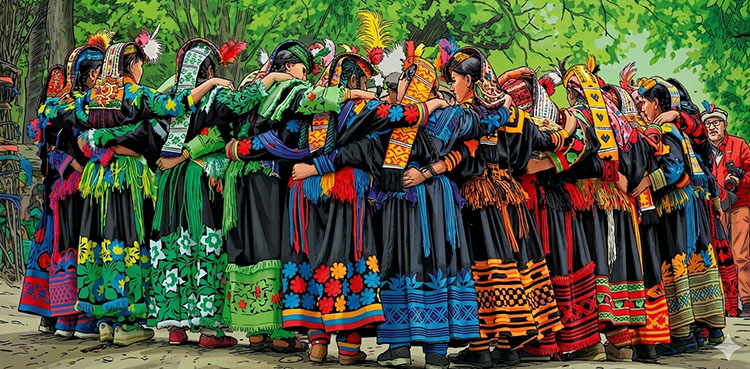
Inheritance rights for widows, along with divorce proceedings including “khula” (dissolution of marriage initiated by the wife), will continue to be governed by established Kalash customary practices. This approach calibrates modern legal requirements with deeply rooted community norms. Consequently, the new Kalash marriage law includes explicit penalties, such as fines and imprisonment, for any deliberate provision of false information or violation of its stipulated provisions, reinforcing compliance.
The Socio-Economic Impact: Enhanced Stability for Kalash Citizens
This refined legal framework directly impacts the daily lives of Kalash citizens by introducing a baseline of legal certainty and protection. For students and young professionals within the community, the mandate for an 18-year minimum marriage age and the requirement for mutual consent represent a structural safeguard against early or forced marriages. This could potentially enhance educational and professional trajectories. Moreover, the formal registration of marriages and divorces offers crucial legal recourse and clarity in family disputes, significantly reducing ambiguity that previously existed.
The ban on cousin marriages, while a significant cultural adjustment, is a strategic public health intervention. It could contribute to improved community health outcomes over the long term, potentially reducing the incidence of certain genetic disorders. Families in both urban and rural Kalash areas will experience greater predictability in family matters, from inheritance to divorce, fostering an environment of enhanced legal stability and individual protection. This new Kalash marriage law acts as a catalyst for systemic improvement.
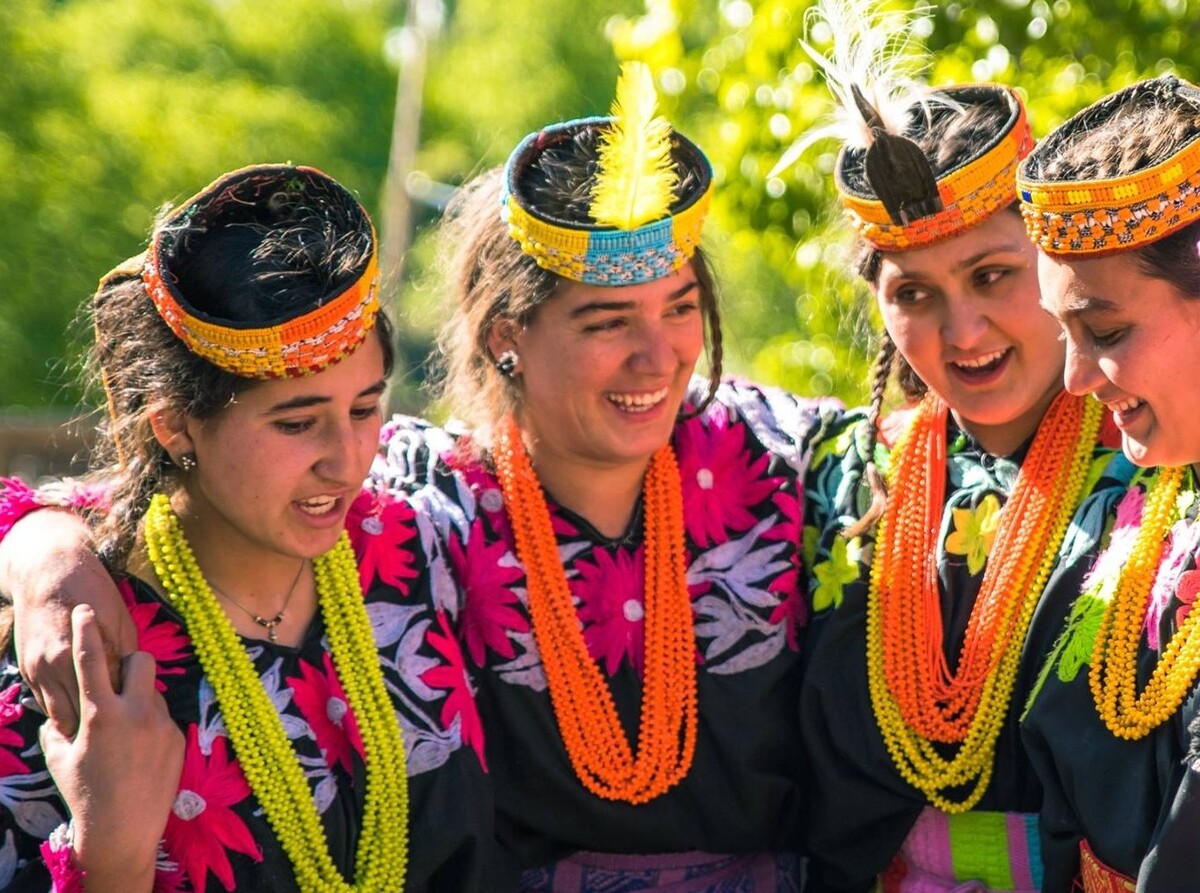
The “Forward Path”: A Momentum Shift
This development undeniably represents a Momentum Shift. The Khyber Pakhtunkhwa government’s initiative to introduce the Kalash marriage law is not merely a stabilization move; it is a progressive leap towards integrating a culturally distinct community within the broader national legal framework while respecting its unique identity. By providing a structured legal pathway, coupled with explicit cultural protections and modern regulatory advancements like the cousin marriage ban, Pakistan demonstrates a calibrated approach to governance. This establishes a precedent for harmonizing traditional practices with contemporary legal necessities, ensuring equity and clarity for all citizens.








