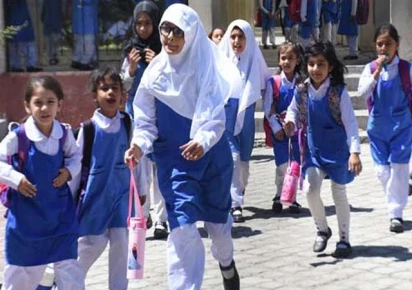
The Khyber Pakhtunkhwa government has implemented a structural adjustment to the academic year by announcing KP summer vacations starting May 22, 2026. This precision-based decision ensures that educational institutions in the province’s plain areas remain synchronized with upcoming religious holidays and regional climate shifts. Consequently, students and faculty will observe an extended break through August 31, 2026, to maximize operational efficiency across the provincial education system.
Precision Scheduling for the 2026 Academic Cycle
The Education Department calibrated the new schedule to prevent a fragmented academic week. Initially, the KP summer vacations were slated for June 1; however, officials identified a logistical bottleneck. Since May 22 through May 24 coincides with the standard weekend, and Eid ul Adha holidays commence on May 27, the government moved to avoid a redundant two-day instructional period on May 25 and 26.
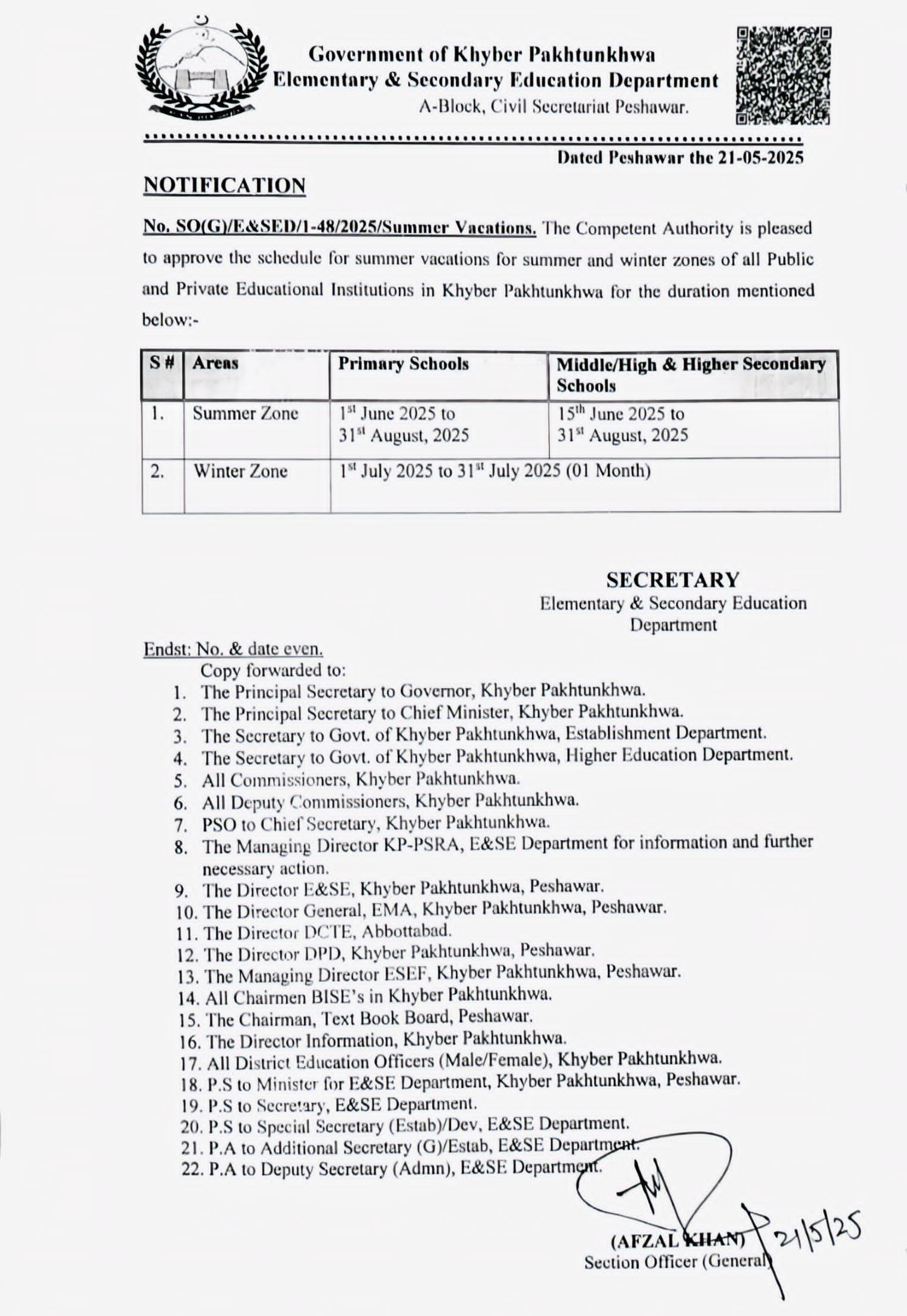
Regional Variations in Vacation Timelines
- Plain Areas: May 22, 2026, to August 31, 2026.
- Cold Mountainous Regions: July 1, 2026, to July 31, 2026.
Notably, the schedule for extremely cold mountainous regions remains localized. These areas will maintain a strictly defined one-month hiatus in July to accommodate their unique environmental baselines.
The Translation: Strategic Logistical Calibration
In technical terms, this move represents a “holiday bridge” strategy. Rather than forcing a low-attendance, two-day school week between a weekend and a major national holiday, the government consolidated the time. This decision reduces the administrative overhead and energy consumption required to keep facilities operational for a statistically insignificant period. By aligning the KP summer vacations with the Eid cycle, the province achieves a smoother transition into the summer hiatus.

Socio-Economic Impact: Resource Management and Public Health
This adjustment significantly impacts the daily lives of Pakistani citizens by prioritizing public health and household stability. During the peak thermal cycles of late May, high temperatures pose a baseline risk to student safety in urban centers like Peshawar. Furthermore, this consolidated schedule allows families to better plan for Eid ul Adha travel without disrupting the academic progress of their children.
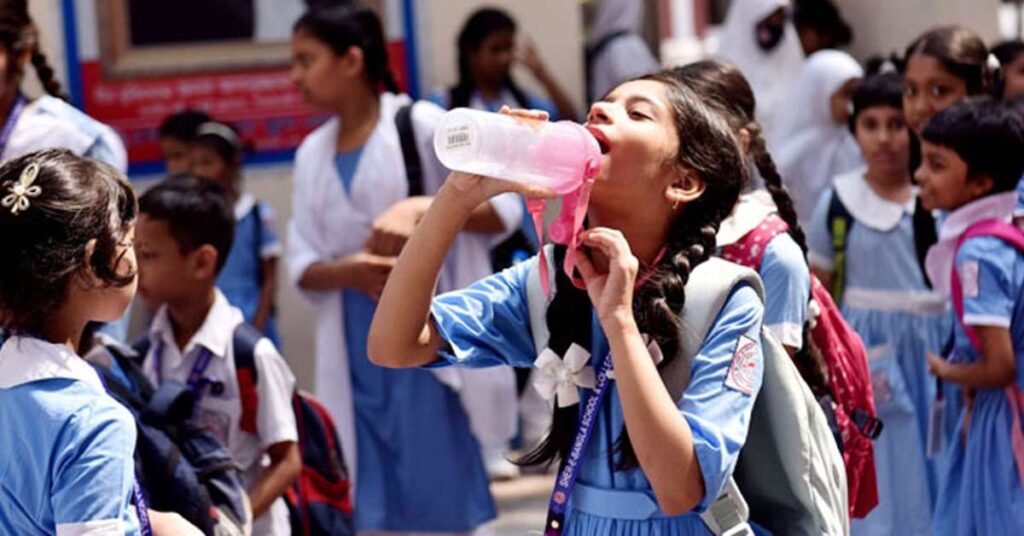
For the average household, this precision planning translates into reduced transportation costs and lower exposure to heat-related illnesses. Economically, the move acts as a catalyst for local tourism, as families in the plain areas can now schedule longer visits to the northern mountainous regions earlier in the season.
The Forward Path: A Stabilization Move
This development represents a Stabilization Move for the Khyber Pakhtunkhwa education sector. By proactively adjusting the calendar based on logistical data and climate realities, the government demonstrates a shift toward more responsive governance. While the early start may seem like a minor change, it reflects a structural commitment to system efficiency and human-centric planning. Looking forward, the province must continue to use such data-driven calibrations to ensure the academic calendar remains resilient against environmental and logistical pressures.