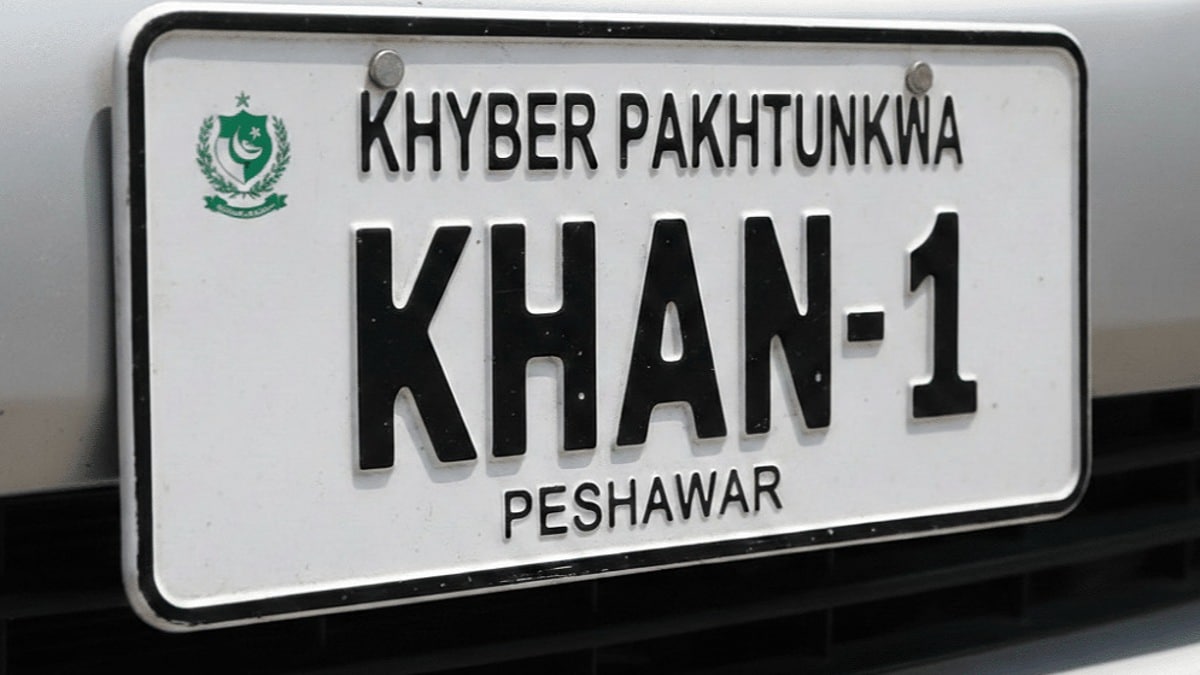
The Khyber Pakhtunkhwa government is strategically recalibrating provincial security by mandating RFID number plates for all private and commercial vehicles. This structural upgrade replaces traditional plates with smart identification technology, aiming to catalyze a more efficient monitoring system. Consequently, every vehicle owner in the province will transition to this digital baseline to ensure enhanced tracking and enforcement precision.
The Technical Architecture of RFID Number Plates
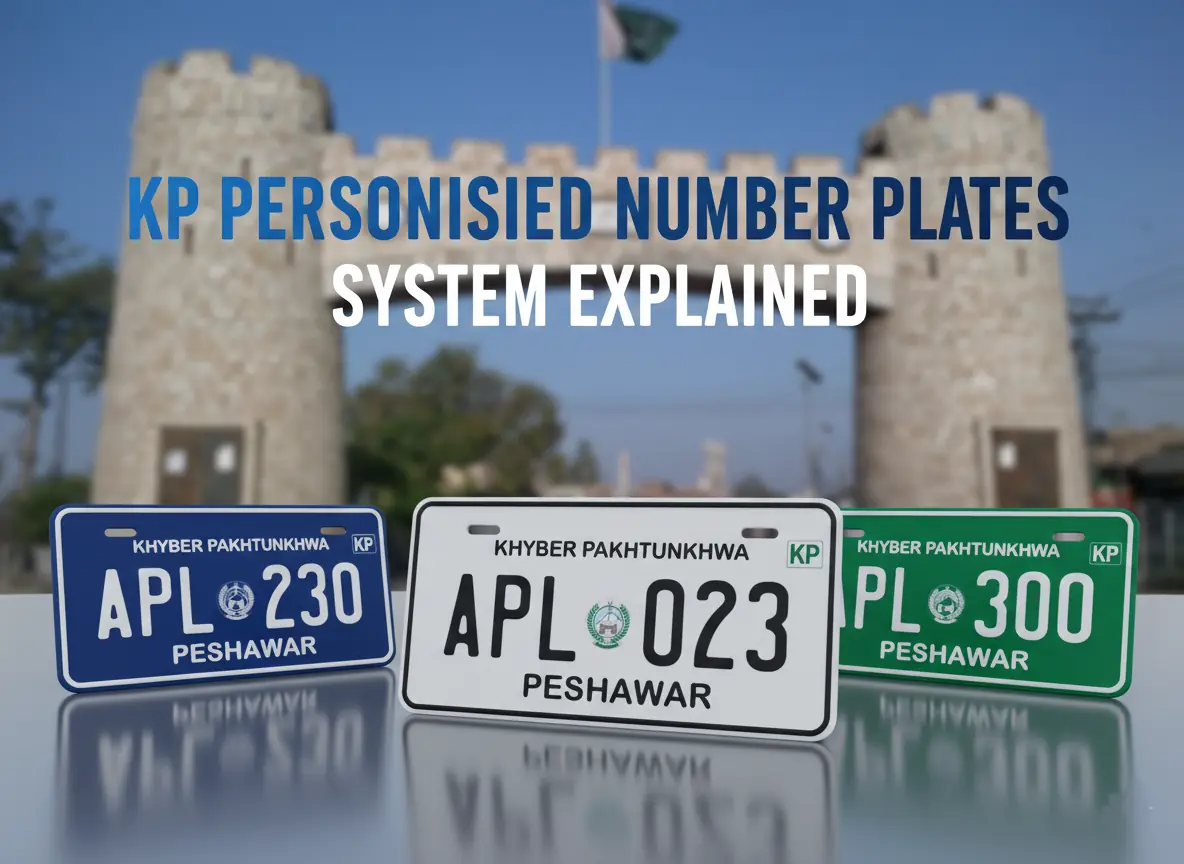
The Excise Department confirmed that these new plates feature integrated Radio Frequency Identification (RFID) stickers. This technology allows for automated vehicle identification without requiring direct line-of-sight contact from law enforcement officials. While standard plates currently cost Rs. 1,200, the high-precision RFID number plates are priced at Rs. 4,000. Furthermore, the system applies universally to both government-owned and privately owned fleets across the province.
The Translation: Contextualizing the Tech
In simple terms, the government is moving from a “passive” identification system to an “active” digital grid. Previously, authorities relied on manual checks or cameras to read plates. Now, RFID sensors can detect vehicle data remotely and instantly. This technological pivot eliminates human error in tracking and creates a tamper-proof digital footprint for every car on the road. The logic is clear: digitize the asset to secure the environment.
The Socio-Economic Impact
How does this change the daily life of a Pakistani citizen? For the average household, the immediate impact is a fiscal one, as the cost of registration nearly triples. However, the long-term benefit is a calibrated increase in public safety. Efficient vehicle tracking serves as a massive deterrent for car lifters and criminal elements. For professionals and students, this means a more secure commute and a reduced likelihood of vehicle-related crimes in urban centers like Peshawar.
The Forward Path: Momentum Shift
This development represents a significant Momentum Shift in Pakistan’s digital frontier. While the provincial government has yet to announce a final implementation timeline, the decision marks a departure from obsolete manual systems. We view this as a necessary structural evolution. If executed with precision, this system will serve as a catalyst for a smarter, safer, and more transparent excise framework that mirrors international standards.