
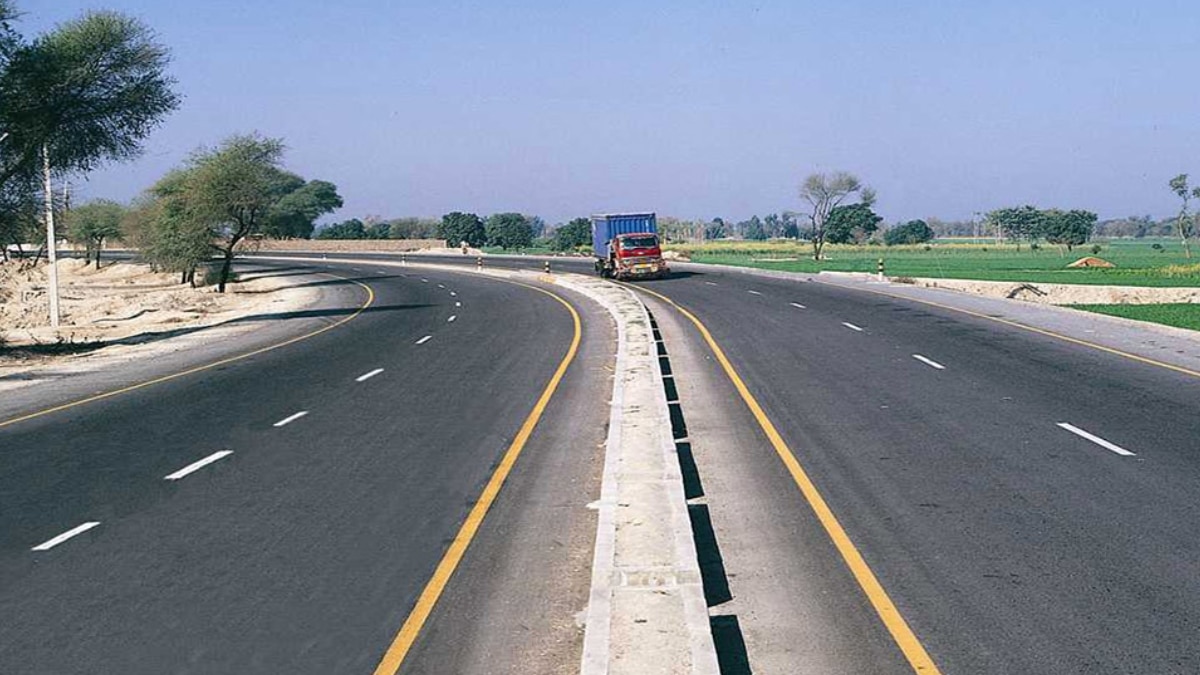
The Khyber Pakhtunkhwa government recently calibrated its 2026-27 budget to include a nominal allocation of just Rs. 1,000 for the Dir-Chitral Motorway. Although the project carries a massive estimated cost of Rs. 63 billion, this token amount serves as a placeholder in the provincial development framework. Consequently, the move has ignited a debate regarding the structural commitment to northern connectivity and regional trade efficiency.
The Dir-Chitral Motorway: A Strategic Infrastructure Blueprint
This proposed motorway represents a vital catalyst for economic integration between Dir and Chitral. Ideally, the high-speed corridor would streamline movement, boost tourism, and facilitate regional trade across the rugged northern terrain. However, the current budgetary provision of Rs. 1,000 appears purely symbolic. Critics argue that such a negligible release fails to match the logistical scale of a 63-billion-rupee enterprise.
Furthermore, government planners often utilize nominal allocations to maintain the project’s status within the planning pipeline. This tactical move prevents the scheme from expiring legally before the administration secures a definitive funding roadmap. Despite this technicality, the lack of a clear execution timeline continues to generate uncertainty among stakeholders.
The Situation Room: Structural Analysis
The Translation (Clear Context)
In the world of public finance, a “token allocation” of Rs. 1,000 is not a fund for construction. Instead, it is a calibrated legal maneuver. By placing this amount in the budget, the government ensures the Dir-Chitral Motorway remains an “active” project on official documents. This allows for future budgetary reallocations or foreign investment without restarting the entire approval process. Essentially, the project is on life support rather than in active development.
The Socio-Economic Impact
For the daily life of a Pakistani citizen in the northern districts, this delay maintains a high-cost baseline for transportation. Students and professionals in Chitral will continue to face prolonged travel times to provincial centers. Furthermore, the local tourism industry loses a significant catalyst for growth. Without a reliable Dir-Chitral Motorway, the cost of moving goods remains high, directly impacting household expenses and trade margins in rural KP.
The “Forward Path” (Opinion)
This development represents a Stabilization Move rather than a momentum shift. While it prevents the project from being discarded entirely, it lacks the precision and financial backing required for national advancement. To transition from symbolic to structural progress, the KP government must secure a dedicated funding catalyst, such as a Public-Private Partnership (PPP) or international infrastructure grants. Until then, the project remains a blueprint rather than a reality.








