

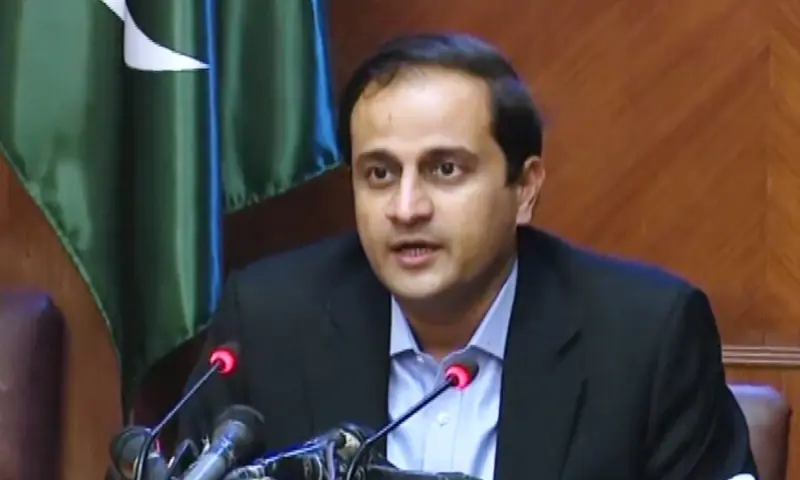
The Karachi Metropolitan Corporation (KMC) has calibrated its administrative framework by launching a comprehensive KMC health insurance scheme for 11,500 employees. Mayor Barrister Murtaza Wahab inaugurated the initiative, marking a structural shift as the first municipal institution in Pakistan to offer such standardized medical coverage. This strategic move aims to eliminate the bureaucratic friction that previously delayed essential medical treatments for the workforce.
Calibrating Municipal Welfare and Productivity
Under the new KMC health insurance policy, workers receive medical coverage ranging from Rs150,000 to Rs600,000. Specifically, employees can now access high-quality treatment at approximately 200 designated hospitals. Consequently, the City Council has replaced outdated manual approval processes with a labor-friendly system that ensures rapid healthcare access. Mayor Wahab emphasized that preventing even minor delays in medical attention is a catalyst for maintaining a healthy and efficient workforce.
Digital Reforms as a Catalyst for Efficiency
In addition to healthcare, KMC is deploying a one-window digital system to handle property mutation and No-Objection Certificates (NOCs). Citizens will utilize a dedicated website or mobile application to apply for services, while the administration processes all challans digitally to minimize human error and corruption. Furthermore, the Mayor’s Office distributed laptops and service vehicles to various departments to resolve administrative hurdles caused by outdated hardware.
- Health Coverage: Rs150,000 to Rs600,000 per employee.
- Network: 200+ hospitals nationwide.
- Transparency: One-window digital property mutation system.
- Infrastructure: Distribution of service vehicles and laptops for departments.

The Situation Room Analysis
The Translation
This initiative represents more than just a benefits package; it is a structural redesign of municipal operations. By removing the Mayor’s Office as a literal bottleneck for medical approvals, KMC is decentralizing authority and automating welfare. The integration of digital property services suggests a transition toward a “Smart City” baseline, where data replaces manual ledgers.
The Socio-Economic Impact
For the average Pakistani citizen in Karachi, a more secure KMC workforce means more reliable public services. When 11,500 municipal workers are protected from financial ruin due to medical emergencies, the institutional throughput of the city increases. Additionally, the move to digital NOCs directly reduces the “hidden costs” of time and bribery often associated with local government interactions.
The Forward Path
We classify this development as a Momentum Shift. While municipal insurance is a standard in global governance, its introduction in Pakistan sets a new precedent for other cities like Lahore and Islamabad. The success of this move depends on the continuous funding of the insurance premiums and the seamless integration of the digital mutation system.








