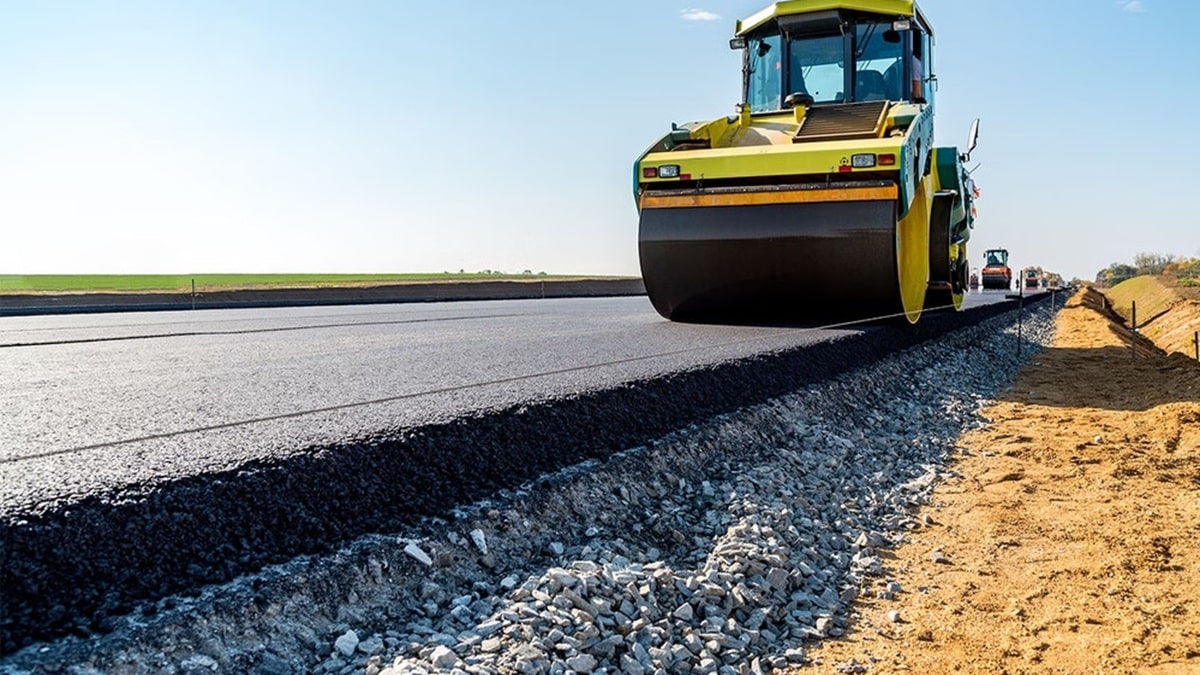
The Structural Analysis of a Stalled Corridor
Efficient transit corridors serve as the central nervous system of a developing economy, yet the latest budgetary calibrations for the Rawalpindi-Kahuta Road project suggest a significant structural bottleneck. The federal government recently allocated a mere Rs. 1 billion for the 2026-27 financial year. Consequently, this decision effectively halts the momentum of a project initially designed to serve as a catalyst for regional trade and defense mobility. Furthermore, the 28.4-kilometer dual carriageway remains largely incomplete despite its strategic approval by ECNEC in 2023.
Current data indicates that the project requires a total revised investment of Rs. 23.545 billion. While the previous fiscal year saw an earmark of Rs. 23.84 billion, ground-level progress stalled significantly. Specifically, workers completed only one kilometer of the dual carriageway near Hothla Stop. This limited execution leaves critical components, such as the Sihala Railway Crossing overhead bridge and the Kahuta Bypass, in a state of suspended animation.
The Translation: Breaking Down the Budgetary Gap
In technical terms, the Rawalpindi-Kahuta Road project is facing a “liquidity-driven delay.” Although the National Highway Authority (NHA) lists the scheme as ongoing, the Rs. 1 billion allocation is insufficient for active construction. Instead, this amount likely covers only the baseline maintenance of existing sites and administrative overheads. Effectively, the government has moved from an aggressive construction phase to a passive preservation phase. As a result, the carried-forward liability of Rs. 16.958 billion will continue to accumulate interest and inflationary costs.
The Socio-Economic Impact: From Commuters to Commerce
How does this delay change the daily life of a Pakistani citizen? For the residents of Rawalpindi, Kahuta, and parts of Azad Jammu and Kashmir (AJK), the impact is immediate and structural.
- Trade Logistics: This road connects major economic hubs like Gujar Khan and Lahore via the GT Road. Delays increase transport costs for agricultural and industrial goods.
- Public Safety: Partially completed sections and semi-developed formations create hazardous conditions for local commuters and heavy transport vehicles.
- Regional Integration: As the primary link to Kotli and Rawalakot, the stalled project limits the economic integration of AJK with mainland Pakistan, affecting students and professionals who commute daily.
The Forward Path: An Expert Assessment
From a STEM-driven perspective, this development represents a Stabilization Move rather than a growth catalyst. By spreading the funding over several years, the government avoids immediate large-scale debt but risks the structural integrity of the semi-completed formations. Consequently, prolonged exposure to weather elements may damage the current work. Therefore, unless a mid-year budgetary adjustment occurs, the project will likely require even more precision engineering and higher costs to rectify future degradation. We view this as a strategic pause that demands a more calibrated financial injection to regain momentum.