
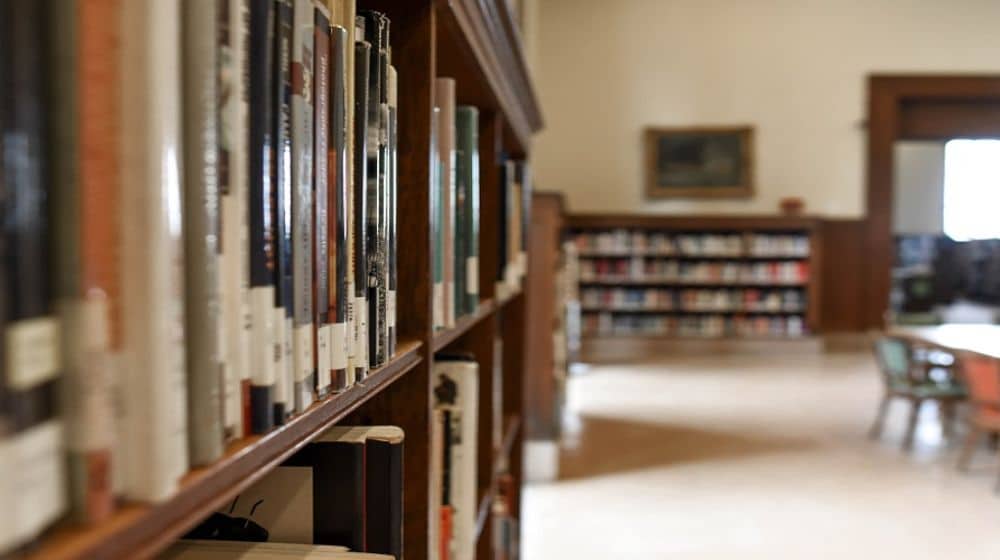
The Kitab Ghar closure represents a significant structural loss for Karachi’s intellectual infrastructure and community development. Located in the PECHS district, this citizen-led library served as a critical catalyst for community engagement for nearly 18 months. Unfortunately, management confirmed that unsustainable rent increases will force a total shutdown on May 31. This development highlights a broader challenge within our urban ecosystem: the displacement of public utility spaces by aggressive commercial gentrification.
Analyzing the Impact of the Kitab Ghar Closure
Kitab Ghar operated on a free-to-access model, providing students and professionals with a calibrated environment for study and creativity. Consequently, the rising real estate costs in the PECHS area have created a financial baseline that donation-based funding cannot sustain. Despite this setback, the team is strategically pivoting by launching a fundraiser targeting Rs 500,000 to secure a new, resilient location for their operations.
The “Situation Room” Analysis
The Translation (Clear Context)
While “gentrification” often implies urban renewal, it frequently disrupts the “third space”—areas outside home and work where social connection thrives. In Karachi, the shift from residential to high-value commercial zones has prioritized capital gains over social capital. Thus, the Kitab Ghar closure is not merely a business failure but a systemic displacement of non-profit social infrastructure by market-driven forces.
The Socio-Economic Impact
For the average citizen, the loss of such spaces results in fewer safe and affordable avenues for skill development. The socio-economic impact includes:
- Academic Displacement: Students lose a reliable sanctuary for focused study and academic collaboration.
- Creative Stagnation: Local artists and thinkers lose a hub for “creative collisions” that spark innovation.
- Community Fragmentation: The daily life of a Karachiite becomes more transactional as free community anchors disappear.
The Forward Path (Opinion)
We categorize this development as a Stabilization Move. While the closure is a defensive reaction to economic pressure, the fundraiser represents a strategic attempt to re-establish the initiative on a more sustainable footing. For Pakistan to progress, urban planners must implement policies that protect social infrastructure from market volatility. We must view these spaces as essential public utilities rather than temporary occupants of commercial real estate.








