

Pakistan’s vital economic hub, Karachi, is set for significant Karachi heat relief this week, as meteorological data indicates stabilizing conditions and a notable temperature moderation. After experiencing highs near 39.5°C due to specific northeasterly wind patterns, the return of sea breezes will strategically lower temperatures to approximately 35°C over the next 8-10 days, with no intense heatwave projected. This climatic adjustment represents a critical baseline shift for urban resilience, fostering improved daily life for citizens.
The Translation: Deconstructing Karachi’s Climatic Shift
PMD spokesperson Anjum Nazir confirmed the city’s recent peak of 39.5°C on April 12, directly attributing this to specific northeasterly wind patterns. Subsequently, the re-establishment of vital sea breezes is now actively moderating these thermal extremes. This atmospheric re-calibration is crucial for systemic equilibrium, ensuring more comfortable conditions.
Consequently, meticulous forecasts indicate that intense heatwave conditions are not anticipated for the forthcoming 8 to 10 days. Instead, temperatures are projected to stabilize around a more manageable 35°C. Furthermore, April 16 may introduce a marginal temperature reduction of 1 to 2 degrees due to increased cloud cover, though rainfall remains unpredicted for the city itself.
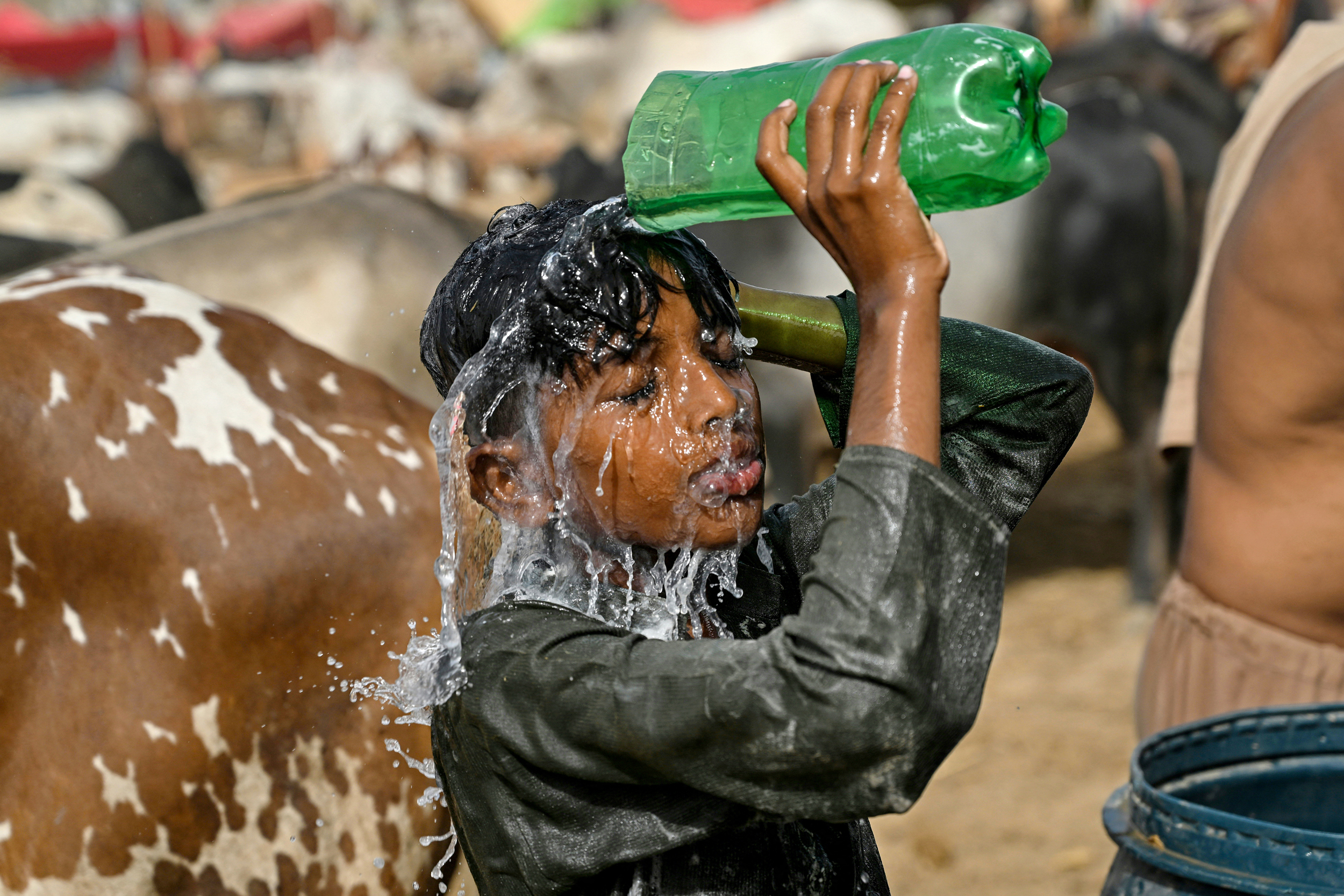
A separate western weather system is calibrated to enter Pakistan from April 16, primarily influencing the northern territories. Specifically, this system may generate strong winds and light rain within parts of upper Sindh, including Larkana, between April 16 and 18, demonstrating a localized but impactful meteorological intervention.
The Socio-Economic Impact: Daily Life Adjustments for Pakistani Citizens
This anticipated Karachi heat relief directly impacts the daily routines of countless Pakistani citizens. For students, moderated temperatures facilitate improved concentration during academic pursuits and allow for more comfortable outdoor activities. Professionals, particularly those in outdoor roles or with commutes, will experience reduced physiological stress, enhancing overall productivity and well-being.
Furthermore, households across urban and rural Karachi will observe a measurable reduction in energy consumption related to cooling, translating into potential economic savings. The calibrated temperature decrease fosters a more stable urban environment, mitigating risks associated with heat-related health issues and improving public health baselines. This represents a tangible improvement in living conditions for all.
The Forward Path: A Stabilization Move for Urban Resilience
This development signifies a Stabilization Move for urban resilience in Karachi. While not a transformative “Momentum Shift” in long-term climate strategy, the timely moderation of temperatures is a critical operational adjustment. It underscores the city’s inherent vulnerability to climatic fluctuations and highlights the continuous necessity for robust meteorological monitoring and proactive public health measures. This strategic stabilization allows for sustained economic activity and social function.








