

Strategic infrastructure integration at the Dhabeji Pumping Station will cause a significant Karachi water shortfall of 250 million gallons per day (MGD) starting April 25. This 48-hour operation facilitates the interconnection of Transmission Line No. 5, a critical component of the Karachi Water and Sewerage Services Improvement Project (KWSSIP). While the temporary shutdown disrupts local supply, it serves as a calibrated catalyst for long-term system stabilization.
The Mechanics of the Karachi Water Shortfall
The Karachi Water and Sewerage Corporation (KWSC) will initiate the final interconnection of the new transmission line on Saturday evening. Consequently, engineers must deactivate nine of the 21 primary pumps at the Dhabeji facility to ensure a precision-grade installation. While seven pumps will return to the baseline by April 27, two units will remain offline for five additional days to finalize complex technical configurations.

Impacted Zones and Resource Allocation
The suspension of the Fourth Phase, K-II, and K-III systems will result in a total supply drop from the usual 650 MGD to approximately 400 MGD. Furthermore, the following regions will experience direct supply interruptions:
- Complete Disruption: North Karachi, Surjani Town, Scheme 33, and Gulistan-i-Jauhar.
- Temporary Shortages: Parts of Gulshan-i-Iqbal, Saddar, and Chanesar Town.
- Hydrant Closures: Facilities at Nipa, Safoora, and Sakhi Hasan will remain non-operational.

The Translation (Clear Context)
The KWSSIP represents a structural overhaul of Karachi’s ageing water skeleton. The “interconnection” refers to plugging a high-capacity, modern transmission pipe into the existing grid. This maneuver is equivalent to upgrading a city’s main power artery; it requires a temporary blackout to prevent hydraulic failure and ensure the new line can handle increased pressure without causing subterranean bursts.
Socio-Economic Impact
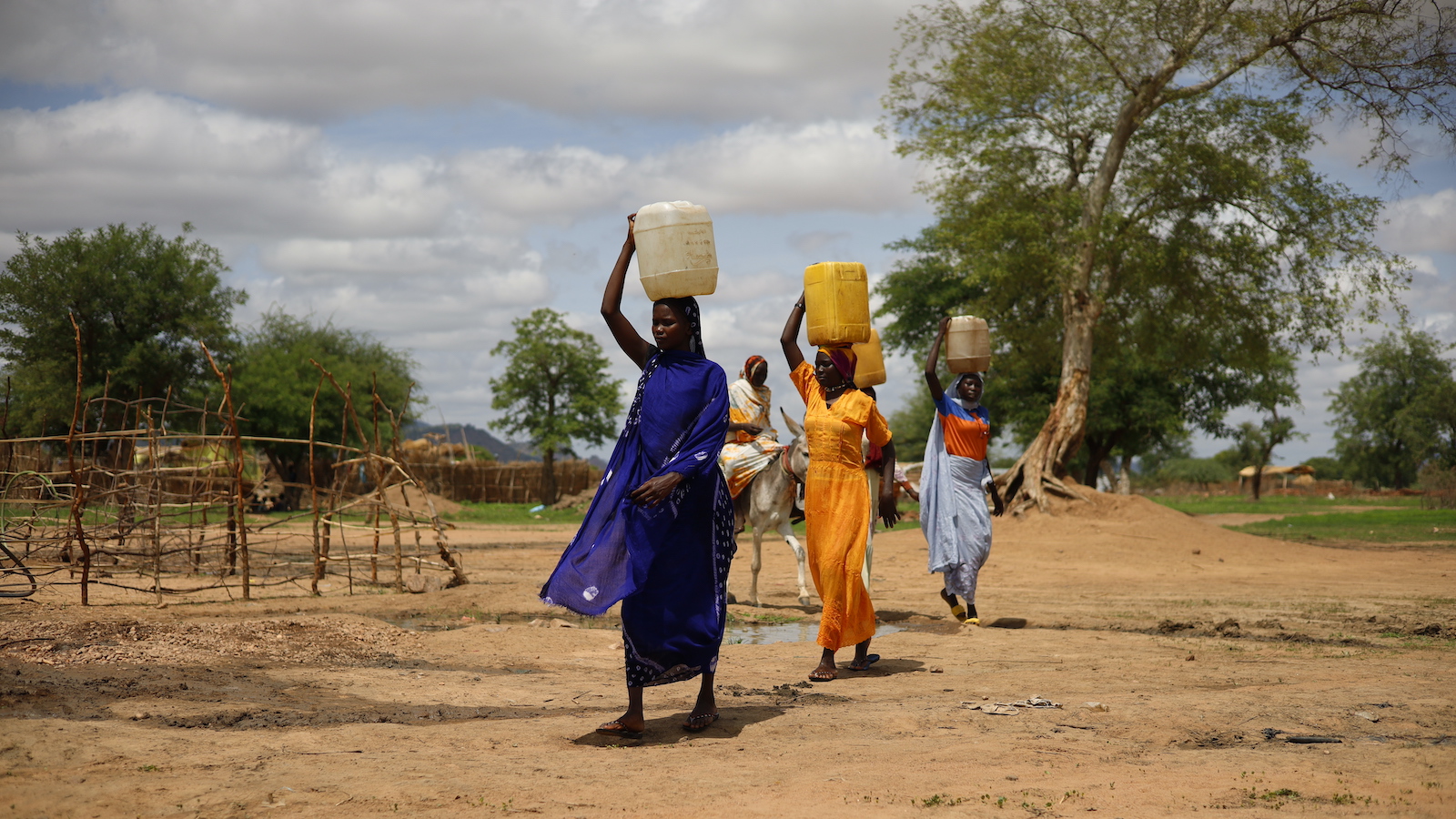
For the average Karachi household, a 250 MGD Karachi water shortfall forces an immediate reliance on the unregulated tanker mafia, driving up weekly domestic costs by 20-30%. For small businesses and medical clinics in Surjani or North Karachi, the shutdown necessitates strict water rationing. This disruption underscores the fragile baseline of our urban utilities, where structural progress often demands short-term domestic austerity.
The Forward Path (Opinion)
This development represents a Momentum Shift. While the immediate shortfall creates friction for millions, the transition to Transmission Line No. 5 is a strategic necessity. Upgrading from the 1950s-era infrastructure to a modern KWSSIP-monitored network is the only path toward reducing line losses and ensuring equitable distribution. The precision of this 48-hour window suggests a disciplined approach to urban engineering that Karachi desperately requires.








