
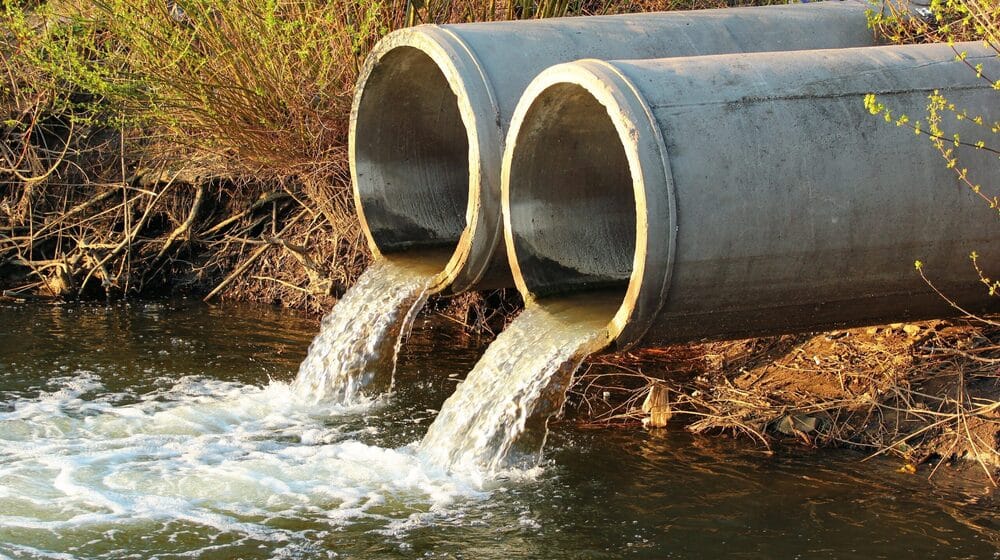
The Karachi Water and Sewerage Corporation (KWSC) has initiated a calibrated response to the rising threat of waterborne pathogens. By integrating strategic Naegleria prevention measures, the utility aims to secure the city’s hydraulic integrity. This system-wide overhaul focuses on precision chlorination, real-time surveillance, and structural monitoring of the domestic water supply chain. Officials are prioritizing safety following a recent fatality linked to contaminated tap water.
The Tactical Response: Scaling Infrastructure
KWSC officials have deployed a high-density monitoring framework across Karachi. Currently, the utility maintains round-the-clock chlorination at nine primary filtration plants across six strategic sites. These operations align strictly with World Health Organization (WHO) benchmarks for potable water safety. Consequently, the utility consumes approximately 240 chlorine cylinders monthly to maintain this critical baseline. Furthermore, the establishment of 16 chlorination points—with 29 more scheduled for the second phase—signals a long-term commitment to public health.
The Translation: Clear Context
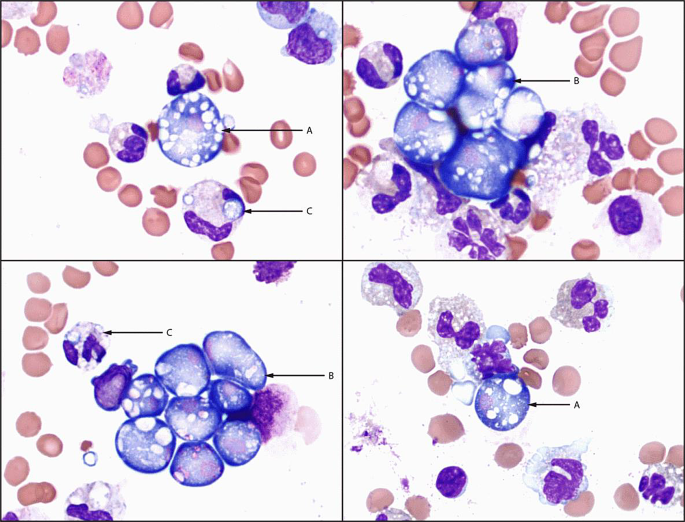
Naegleria fowleri, often termed the “brain-eating amoeba,” enters the human body through the nasal passages. In the Karachi context, the pathogen thrives in non-chlorinated, stagnant tap water systems. This structural vulnerability means that even without swimming, citizens face exposure during routine hygiene activities like ablution. By standardizing chlorine levels at the source, the KWSC creates a chemical barrier. This catalyst neutralizes the amoeba before it can reach domestic faucets, providing a necessary layer of protection for every household.
The Socio-Economic Impact of Naegleria Prevention Measures
For the average Karachi household, water safety is a direct catalyst for economic stability. Waterborne illnesses often lead to catastrophic out-of-pocket medical expenses and significant lost productivity. Strategic Naegleria prevention measures reduce this burden, particularly for the urban poor who may lack access to sophisticated home filtration systems. Consistent water quality ensures that the baseline health of students and professionals remains protected, fostering a more resilient and efficient urban workforce.

The Forward Path: Strategic Assessment
This development represents a Momentum Shift for Karachi’s public utilities. Moving from reactive emergency management to a structural, phase-based chlorination roll-out demonstrates an architectural improvement in city governance. While the death of a citizen is a tragic catalyst, the subsequent collaboration with international bodies like WHO and UNICEF indicates a precise shift toward data-driven safety protocols. The long-term efficacy of this move depends entirely on the rigorous maintenance of the newly established chlorination infrastructure.
Strategic Maintenance Protocols for Residents
- Structural Hygiene: Conduct thorough cleaning of domestic water storage tanks every six months.
- Precision Cleansing: Utilize only boiled or chlorinated water for nasal cleansing and ritual ablution.
- Verified Sourcing: Acquire water only from approved, chlorinated hydrants and tankers.
- Risk Mitigation: Avoid contact with unchlorinated pools or recreational water sources during peak heat seasons.








