
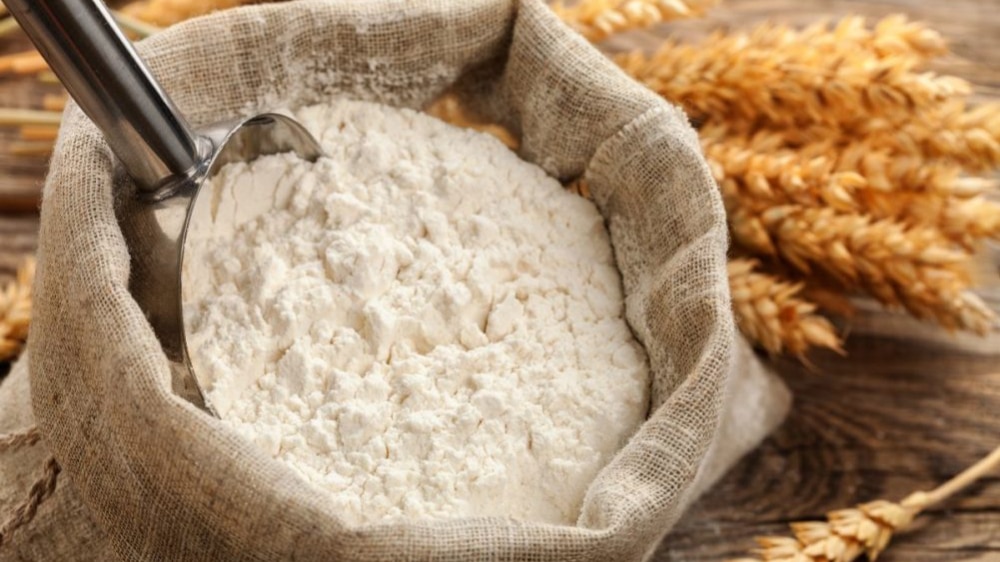
Karachi flour prices have undergone a strategic recalibration as Commissioner Hassan Naqvi issued a precision directive to standardize commodity costs. This administrative move synchronizes official rates with the current wheat supply, establishing a baseline for market transparency across the metropolitan region. By implementing these fixed rates immediately, the administration aims to mitigate inflationary pressure on urban households through structured price controls.
Structural Impact of New Karachi Flour Prices
The revised pricing architecture covers three primary categories of flour, distinguishing between wholesale and retail procurement levels. Consequently, the government has established the following pricing matrix to ensure systematic distribution:
- No. 2.5 Flour: Wholesale price at Rs 110/kg; Retail price at Rs 113/kg.
- Fine Flour: Wholesale rate at Rs 118/kg; Retail rate at Rs 121/kg.
- Chakki Flour: Retail price fixed at Rs 145/kg.
Furthermore, historical data indicates a significant reduction cycle earlier this year. Flour mill owners previously announced price drops as wheat procurement costs descended from Rs 95 to Rs 85 per kilogram. The current notification effectively formalizes these market shifts into a mandatory legal framework.
Enforcement and Regulatory Compliance
The Karachi administration has mandated that all retail entities prominently display these official rate lists within their establishments. Commissioner Naqvi emphasized that the district government will execute strict legal protocols against any traders violating the price ceiling. This enforcement strategy functions as a critical safeguard against predatory pricing and artificial market manipulation.
The Situation Room Analysis
The Translation (Clear Context)
This notification is not merely a price update; it is a synchronization of government policy with the supply chain surplus. The arrival of the new wheat crop created a downward pressure on raw material costs, which the government is now formalizing to ensure that the economic benefits of the harvest reach the end consumer rather than being absorbed by middlemen.
The Socio-Economic Impact
For the average Karachi household, these Karachi flour prices represent a tangible reduction in daily operational costs. Stable flour rates are a primary driver of overall food security. By capping the price of the city’s most essential staple, the administration provides a critical buffer for low-to-middle-income families against the broader volatility of the national economy.
The Forward Path (Opinion)
This development represents a Stabilization Move. While it effectively manages the immediate pricing environment, long-term progress depends on the administration’s ability to maintain these baselines against seasonal supply shifts. The transition from informal market rates to enforced official pricing is a necessary step toward architectural market efficiency.








