

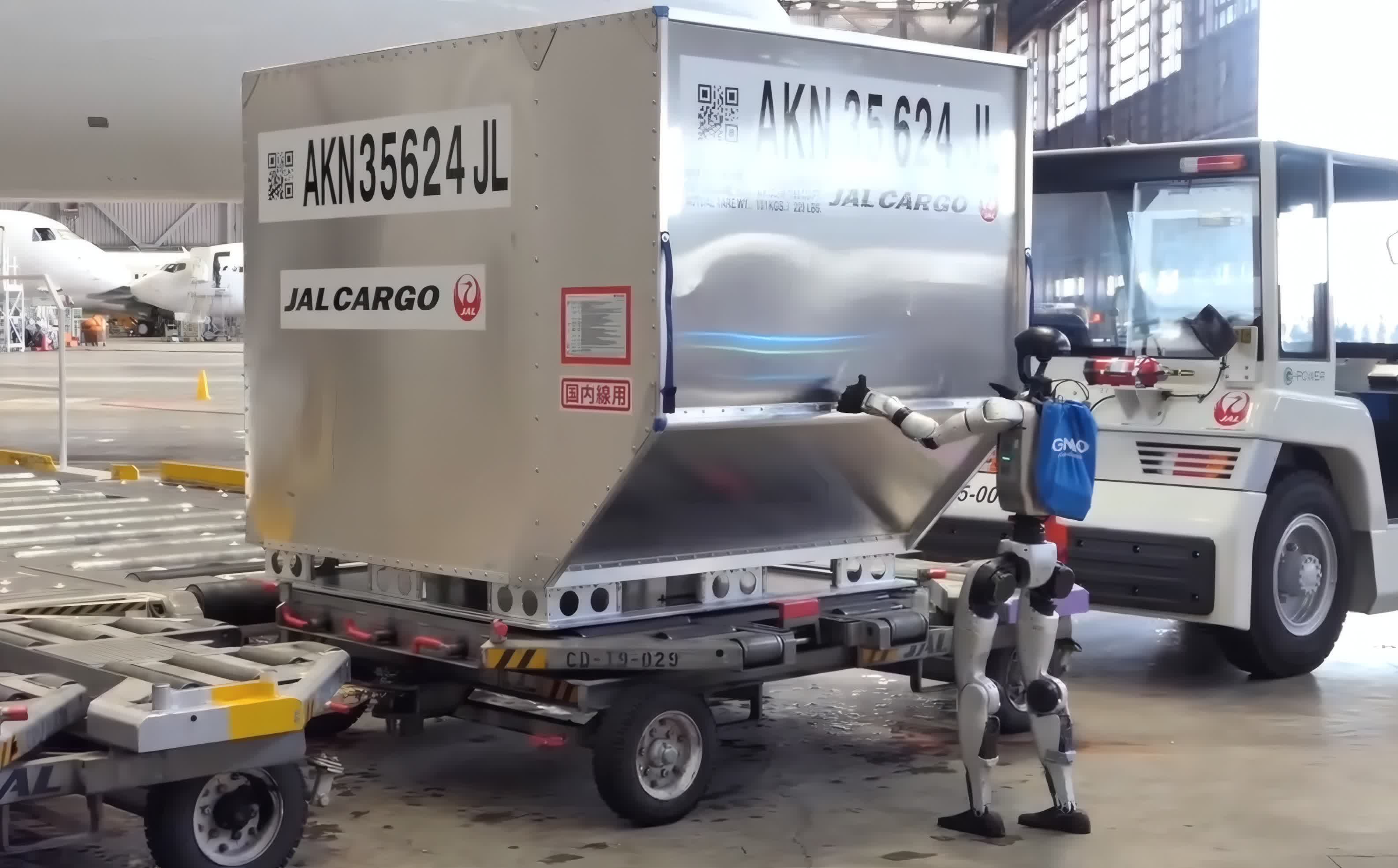
Japan Airlines (JAL) is calibrating a strategic humanoid robots deployment to optimize ground handling operations at Haneda Airport. This initiative serves as a structural catalyst for systemic efficiency, ensuring that the baseline of aviation logistics remains uninterrupted by shifting demographic trends. By integrating these precision machines into live workflows, JAL aims to redefine the intersection of human labor and automated support.
A Calibrated Phased Integration Strategy
The trial program, scheduled for a May launch, utilizes compact robots standing 4 feet 3 inches tall. These units demonstrated their initial capabilities by pushing cargo onto conveyor belts with high precision. Consequently, the deployment follows a strict two-phase operational protocol:
- Phase 1: Environment Mapping: Robots will map airport conditions to identify safe zones for collaborative human-robot engagement.
- Phase 2: Simulated Operations: The airline will conduct rigorous test runs in controlled environments before moving units onto the live tarmac.
These machines currently operate for two to three hours on a single battery charge. Furthermore, JAL management suggests that if the humanoid robots deployment proves successful, tasks may expand to include aircraft cabin cleaning and complex ground support duties.
Automation as a Catalyst for Economic Stability
The primary driver behind this technological shift is Japan’s demographic reality. An aging population and declining birth rates have created a structural labor deficit. Therefore, automation has become a necessity rather than an elective upgrade. JAL’s proactive adoption of the humanoid robots deployment model provides a baseline for other global transport hubs facing similar workforce pressures.
The Situation Room: Analysis
The Translation (Clear Context)
Essentially, Japan Airlines is not replacing humans but augmenting them. The “humanoid” form factor is chosen because our airports were designed for human proportions. By using robots that mimic our size and movement, the airline avoids the need for massive, expensive structural renovations to the airport itself.
The Socio-Economic Impact
For Pakistanis, this development is a critical signal. As a significant exporter of manual labor to international transport hubs, the rise of humanoid robots deployment means the global demand for entry-level manual labor will likely decrease. Future Pakistani professionals must shift focus toward technical roles in robotics maintenance and system supervision to remain competitive in the global market.
The Forward Path (Opinion)
This development represents a Momentum Shift. JAL is moving beyond simple stationary automation and entering the realm of mobile, collaborative robotics. While battery life remains a bottleneck, the transition toward a robotic-assisted workforce is now an irreversible trajectory for high-efficiency nations.








