
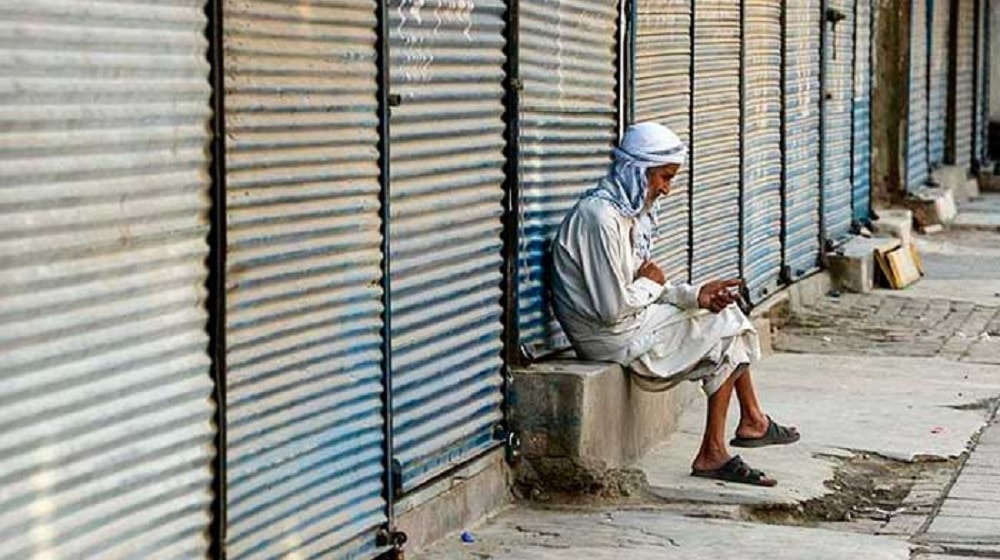
Economic resilience requires a precise calibration between public health protocols and commercial continuity. Currently, the business community in the federal capital is advocating for a strategic shift in Islamabad market timings. By aligning these restrictions with provincial standards, stakeholders aim to stabilize the fragile post-restriction economy and ensure the long-term viability of the SME sector.
The Structural Demand for Easing Islamabad Market Timings
Business leaders across the capital have consistently demonstrated cooperation with national policies during periods of crisis. However, Sarfraz Mughal, former president of the Traders Welfare Association Super Market, noted that the government originally imposed these restrictions without comprehensive consultation with the trading community. Consequently, traders now seek a recalibration of these measures to reflect the current economic baseline.
A unified front of industry architects, including Federation of Pakistan President Atif Ikram and Islamabad Chamber of Commerce President Sardar Tahir, has formally requested the easing of restrictions. They argue that maintaining rigid constraints while neighboring provinces adopt more flexible models creates a structural imbalance that hampers local commerce.
The Translation: Breaking Down the Request
In technical terms, the traders are asking for “Policy Synchronicity.” When Islamabad follows stricter protocols than the surrounding provinces, it creates a “Commercial Vacuum” where economic activity migrates to regions with fewer restrictions. The trading community is essentially proposing a return to a standard operating baseline to prevent further capital flight and business stagnation.

The Socio-Economic Impact
For the average Pakistani citizen, the strict Islamabad market timings directly influence household purchasing power and employment security. Specifically, this shift impacts:
- Daily Wage Earners: Extended hours provide more opportunities for labor and service-based income.
- SME Stability: Small retailers depend on peak evening hours for the majority of their revenue.
- Consumer Efficiency: Relaxed timings reduce overcrowding, ironically allowing for better-managed foot traffic.

The Forward Path: Momentum Shift or Stabilization?
This development represents a Momentum Shift. Moving away from rigid lockdown-era protocols toward a province-aligned model indicates a transition from “Crisis Management” to “Economic Optimization.” To ensure success, the government must integrate trader feedback into the urban planning framework, turning this request into a catalyst for renewed commercial vigor in the capital.








