

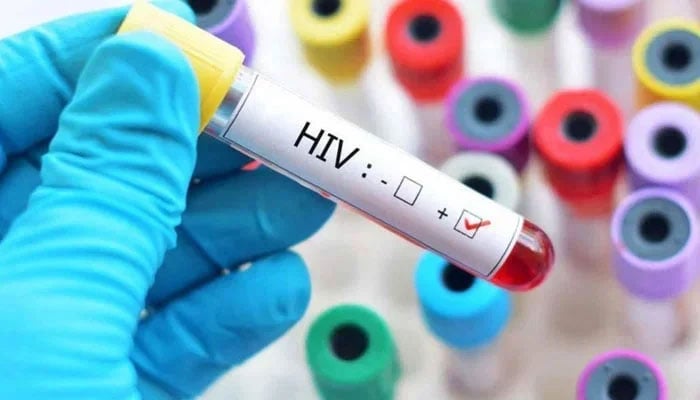
The Ministry of National Health Services recently reported 618 new HIV cases Islamabad between January 2025 and March 2026. This data reveals a calibrated increase in transmission within the federal capital, signaling a critical baseline shift for national health authorities. While 498 cases emerged during 2025, the first quarter of 2026 has already contributed 120 additional detections, maintaining a precise and concerning momentum.
Structural Breakdown of Transmission Metrics
Analytical data indicates that adult males represent the primary demographic, accounting for 397 infections or approximately 64% of the total volume. In contrast, health officials identified 106 adult females and 93 transgender individuals within the transmission net. Furthermore, the pediatric sector remains affected, with 14 male and eight female children testing positive during this 15-month window.
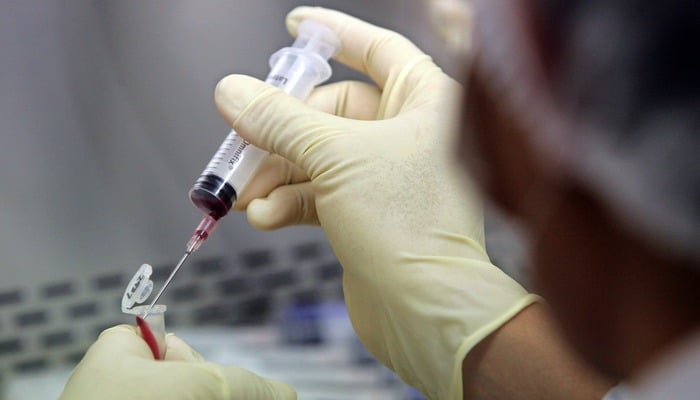
Experts cite a direct correlation between methamphetamine use and prolonged, unprotected sexual activity as a primary catalyst for this surge. Consequently, these unsafe practices facilitate the rapid spread of the virus across diverse urban social networks. Consequently, what once remained concentrated in high-risk groups is now infiltrating the wider population, including family units.
The Situation Room: Strategic Analysis
The Translation (Clear Context)
The transition from “concentrated” to “generalized” transmission means the virus is no longer confined to isolated high-risk hubs. Precision data shows that the involvement of synthetic drugs like methamphetamine serves as a functional bridge. This bridge allows the virus to move from specific urban networks into the general public through increased behavioral risk factors.
The Socio-Economic Impact
This escalating health crisis directly threatens the productivity of the capital’s workforce. Specifically, the high prevalence among adult males—often the primary breadwinners—places a structural strain on household stability. Increased HIV cases Islamabad will inevitably escalate long-term public healthcare expenditures, diverting resources from other developmental catalysts.

The Forward Path (Opinion)
This development represents a significant Momentum Shift toward a public health emergency. We must transition from passive monitoring to aggressive, targeted intervention. The Ministry must prioritize expanded testing and calibrated awareness campaigns to stabilize the transmission rate before it reaches an unmanageable systemic baseline.
Critical Data Observations
- Peak Transmission: July 2025 recorded the highest monthly infection rate.
- Urban Networks: Transmission remains consistent month-to-month in 2026.
- Demographic Focus: Transgender and female infections indicate widening risk circles.
30703-X/asset/d9fd6a70-e950-42a3-b76f-1ad587b7551b/main.assets/gr1_lrg.jpg)








