
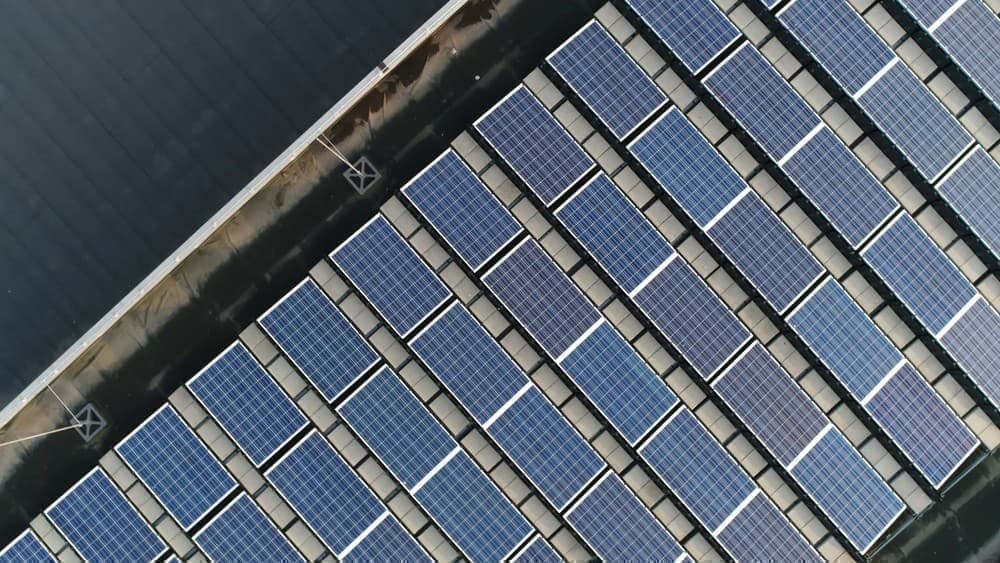
The transition toward decentralized energy is a fundamental catalyst for national energy security. To optimize this transition, the Power Division recently requested NEPRA to streamline Solar Licensing Pakistan protocols. Specifically, the directive seeks to abolish application fees and licensing mandates for systems with a capacity of up to 25 kilowatts. Federal Minister for Power Sardar Awais Leghari initiated this calibrated move to remove structural barriers currently hindering small-scale solar adoption.
Optimizing Solar Licensing Pakistan for System Efficiency
Strategic growth in the renewable sector requires the removal of bureaucratic friction. Previously, the 2015 Distributed Generation and Net Metering Regulations exempted systems under 25kW from licensing. Electricity distribution companies (DISCOs) processed these applications directly without charging any fees. This policy provided a vital financial baseline for residential consumers. Consequently, solar adoption surged as households sought to stabilize their energy costs.
However, the introduction of the new Prosumer Regulations disrupted this momentum. These regulations shifted approval authority to NEPRA and imposed new application fees on small-scale installations. This shift created significant hurdles for the renewable energy sector. Industry stakeholders, including the Pakistan Solar Association and Siddiq Renewable Energy, argued that removing powers from DISCOs would slow national solar deployment. Following these concerns, the Power Division now formally urges a return to the earlier, more efficient regime.
The Translation (Clear Context)
The government is essentially proposing a reversal of recent red tape. By moving solar approvals from a centralized regulator (NEPRA) back to local providers (DISCOs) for small systems, the state reduces the “paperwork tax” on citizens. This proposal clarifies that for systems under 25kW, the goal is frictionless integration. It removes the unnecessary step of obtaining a formal license for what is essentially a household appliance upgrade.
The Socio-Economic Impact
This development directly impacts the financial precision of middle-class Pakistani households. For a typical family, the removal of application fees represents a direct reduction in the upfront cost of solar conversion. Furthermore, reducing bureaucratic delays means faster installation times and quicker relief from rising utility tariffs. By empowering citizens to generate their own power without license-related hurdles, the state fosters greater energy independence and economic resilience in urban and rural centers alike.
The Forward Path (Opinion)
This development represents a significant Momentum Shift. Reinstating the fee-free and license-exempt status for small users is a precision move that corrects a regulatory overreach. It demonstrates that the Power Division prioritizes systemic adoption over administrative revenue. Moving forward, maintaining this trajectory will be critical to ensuring that Pakistan’s energy grid evolves into a more resilient, distributed network.








