

Pakistan’s role as a diplomatic pivot point has reached a new strategic baseline. Iran’s Foreign Minister, Seyed Abbas Araghchi, officially confirmed his upcoming diplomatic mission to Islamabad, Muscat, and Moscow today. This high-stakes visit prioritizes precision consultations regarding the US-Iran peace talks, positioning Pakistan as the central catalyst for regional stability and system efficiency.
The Strategic Mechanics of Mediation
Araghchi confirmed the tour via social media, emphasizing the need for close coordination with partner nations on bilateral relations. Significantly, the Foreign Minister recently calibrated these plans during discussions with Field Marshal Asim Munir and Foreign Minister Ishaq Dar. Pakistan’s mediation team has worked tirelessly through indirect channels to bridge the gap between Tehran and Washington. Consequently, a second round of formal negotiations in the federal capital now appears highly probable.
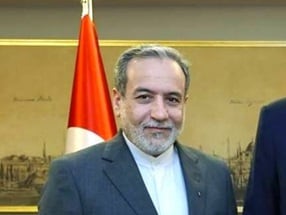
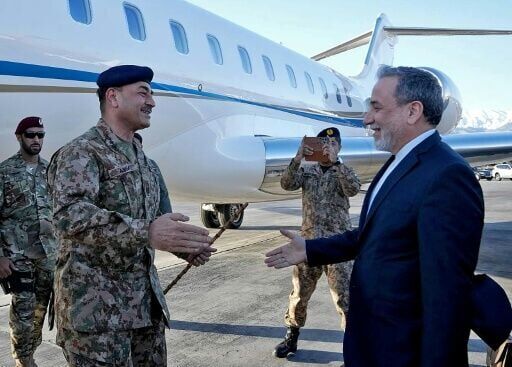
Structural preparations are already underway in Islamabad. Sources indicate that a US logistics and security team has arrived to support the upcoming dialogue process. This physical presence underscores the seriousness of the current momentum. Furthermore, the fluid nature of the US–Iran ceasefire, recently extended by President Donald Trump, necessitates constant high-level engagement to prevent any system-wide failures.
The Translation: Breaking Down the Diplomatic Grid
In “Next Gen” terms, this development signifies a move from passive containment to active de-escalation. The “no-fight situation” is no longer bound by a rigid expiration date; instead, it functions as a calibrated pause. Pakistan is not merely a host but the structural architect of this dialogue, converting geopolitical friction into a manageable diplomatic framework.
The Socio-Economic Impact on Pakistan
How does this macro-level diplomacy change the daily life of a Pakistani citizen? Success in the US-Iran peace talks directly correlates with regional energy security and stabilized trade corridors. For students and professionals, a stable neighborhood reduces economic volatility and shields the local currency from external shocks. Ultimately, a peaceful border ensures that national resources remain focused on domestic innovation rather than border defense.
The Forward Path: A Momentum Shift
This development represents a clear Momentum Shift for Pakistan’s foreign policy. By facilitating dialogue between two global adversaries, Pakistan recalibrates its standing from a regional participant to a precision-driven mediator. The presence of international security teams in Islamabad validates our capacity to manage complex, multi-lateral negotiations. This is progress in its most disciplined form.









