

National systems often reveal their structural resilience during periods of maximum external pressure. In a development that contradicts standard market expectations, the Iranian Rial gains significant value against the US Dollar despite ongoing regional conflicts and heavy economic sanctions. While conventional currencies typically collapse under the weight of war-induced uncertainty, the Rial has appreciated by 8%, shifting from a baseline of 1.6 million IRR per dollar to 1.472 million IRR. This counter-intuitive trend suggests a calibrated adjustment in Tehran’s economic defense strategy.
Structural Reasons Why the Iranian Rial Gains Value
The Iranian Rial gains its current momentum from a combination of aggressive capital controls and balanced import demand. Authorities have implemented emergency monetary measures that restrict capital flight, effectively insulating the currency from the usual panic-selling observed in war zones. Consequently, the parallel market is seeing a massive recovery that Western media outlets have largely overlooked. Economic experts, including Professor Steve Hanke, observe that Tehran’s financial architecture is increasingly immune to the traditional shocks of the global financial system.

The Translation (Clear Context)
Exchange rates in Iran operate within a complex, multi-tiered system. There is the official government rate, used for essential goods, and the parallel open-market rate, which reflects the actual purchasing power for businesses. Usually, war triggers “Capital Flight,” where investors rush to exchange local currency for dollars. However, the Iranian Rial gains ground because the Central Bank of Iran has successfully synchronized these markets through stringent oversight. By limiting how many dollars leave the country, they have forced the local currency to stabilize, turning a period of war into a moment of unexpected currency appreciation.
The Socio-Economic Impact
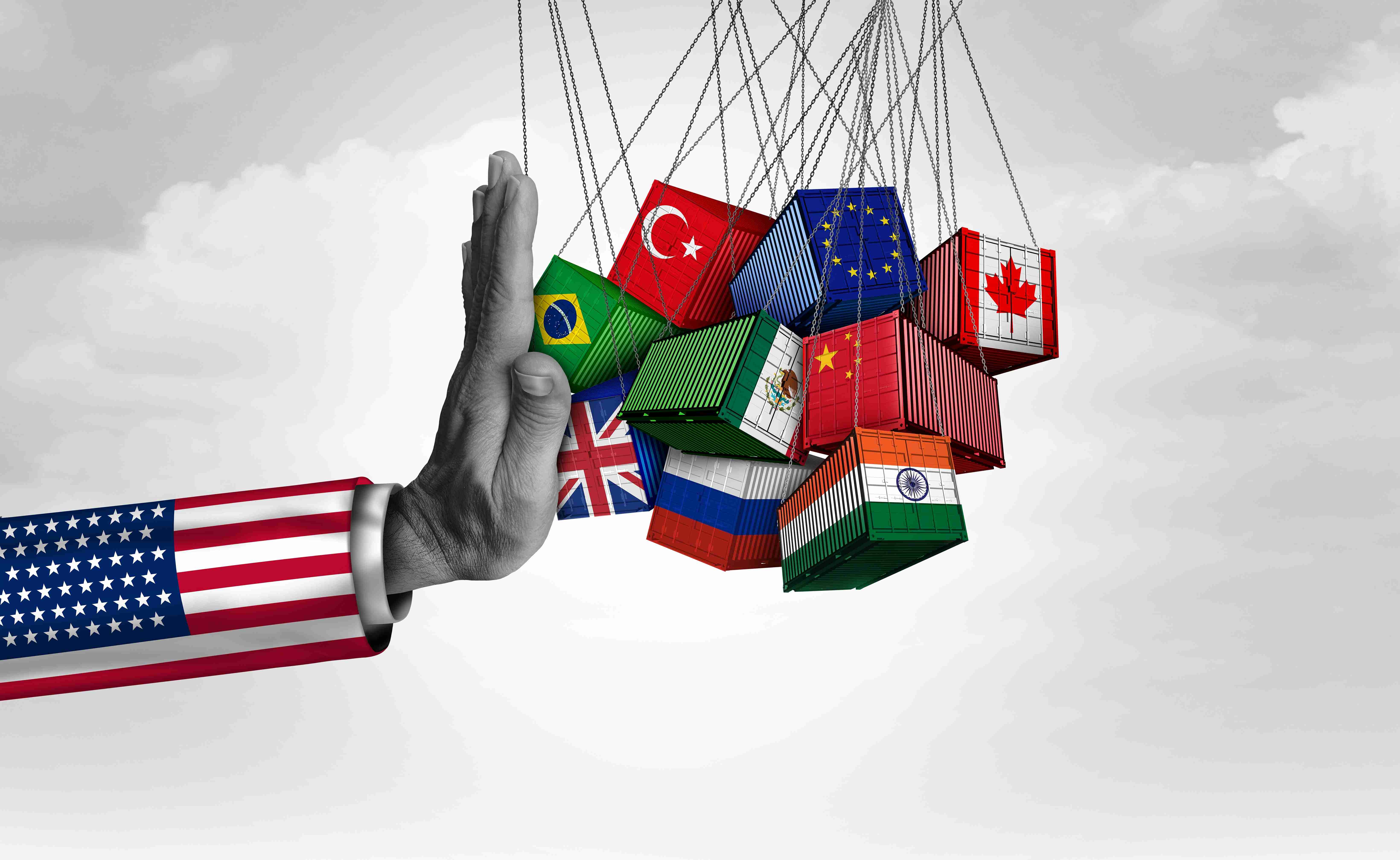
For the average Pakistani citizen or business observer, this development highlights the decoupling of localized economies from Western financial dominance. In Iran, this 8% gain translates to lowered costs for imported raw materials and a slight cooling of hyper-inflationary pressures. Households may see a temporary stabilization in the prices of consumer goods. Furthermore, this shift signals to neighboring trade partners, including those in South Asia, that sanctioned economies can develop “precision immunity” to traditional financial warfare tactics.
The Forward Path (Opinion)
This development represents a Momentum Shift. The Iranian Rial gains are not merely a fluke; they represent a stabilization move that has matured into a strategic advantage. While the long-term outlook still depends on oil revenues and geopolitical de-escalation, the current trajectory shows that Tehran has successfully re-calibrated its economy to survive—and even thrive—under maximum pressure. This is a baseline case for how structural economic discipline can override regional volatility.








