

The geopolitical architecture of the Middle East faces a calibrated shift as the Pakistan-mediated Gulf War talks enter their decisive final phase. While digital provocations between Tehran and Washington dominate headlines, the underlying diplomatic machinery continues to process a structural peace framework. Field Marshal Asim Munir has emerged as a central catalyst in this high-stakes negotiation, bridging the communication gap between the Iranian leadership and the incoming Trump administration.
Strategic Maneuvers in the Final Phase of Gulf War Talks
Tensions escalated recently when the Iranian embassy in Tashkent shared a provocative graphic suggesting external control over U.S. decision-making. Consequently, Donald Trump responded with an AI-generated map rebranding Iran under a unified regional name. Despite these visual skirmishes, the technical Gulf War talks remain focused on tangible outcomes. Iranian negotiators, led by Mohammad Bagher Ghalibaf, have formally shared a final draft proposal with Pakistan to be reviewed by the American team.
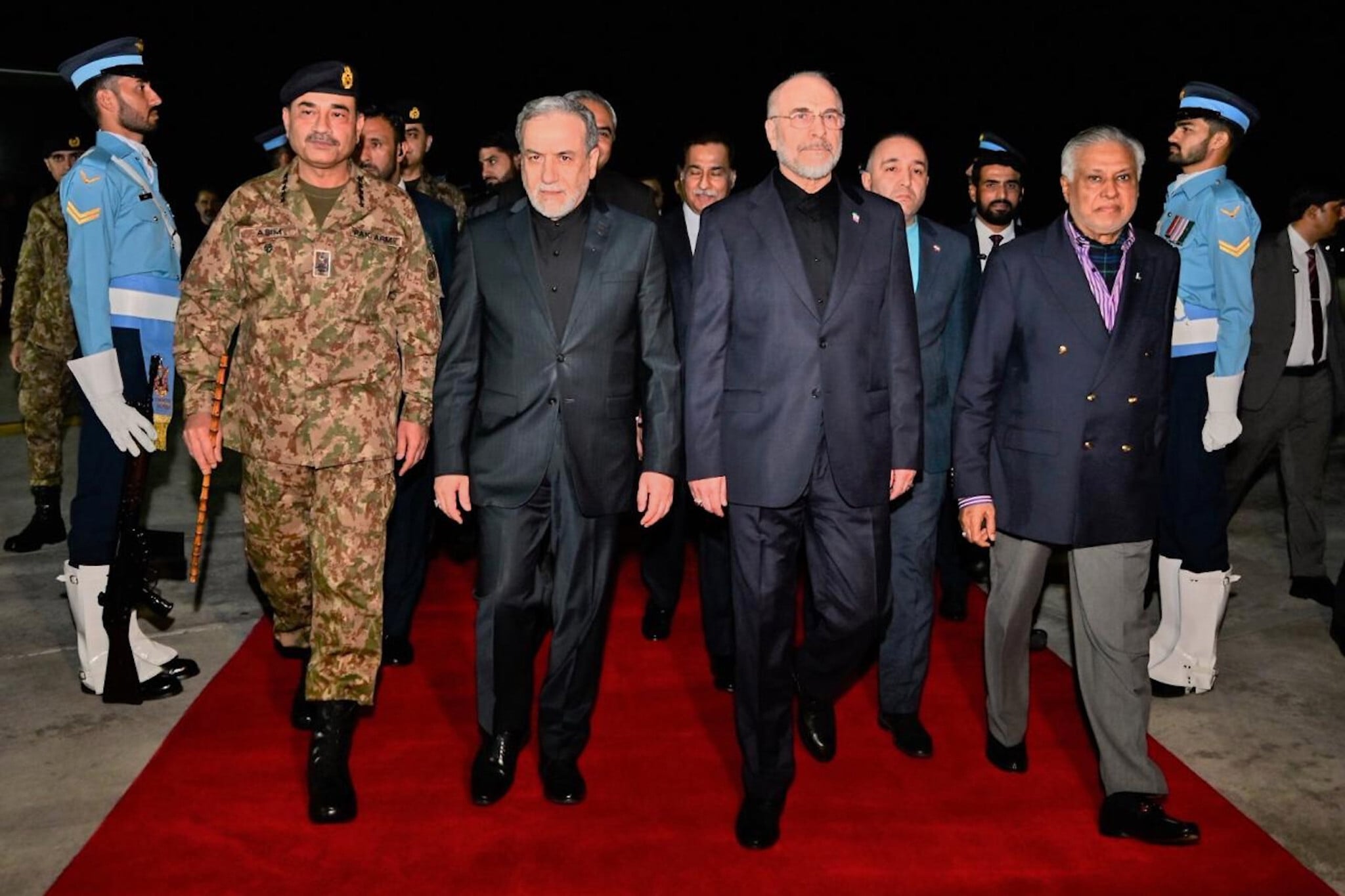
The proposal contains specific red lines and strategic concessions. Iran has explicitly rejected the handover of its enriched Uranium stockpile to the United States. However, Tehran offers a significant stabilization move by proposing to reopen the Strait of Hormuz. In exchange, the Iranian government demands full war compensation and the immediate release of billions of dollars in frozen assets. These calibrated demands represent the baseline for a permanent cessation of hostilities.
The Situation Room Analysis
The Translation
The current impasse is less about internet memes and more about structural leverage. Iran is using the Strait of Hormuz—a primary global oil artery—as a bargaining chip to repair its crippled economy. Conversely, the U.S. seeks nuclear containment. Pakistan’s role is to translate these divergent national interests into a synchronized security framework that prevents total regional collapse.
The Socio-Economic Impact
For the average Pakistani citizen, the success of these Gulf War talks is a matter of economic survival. Regional stability directly influences global oil prices, which dictates the cost of transport and electricity in Karachi and Lahore. Furthermore, a peaceful Gulf allows for expanded trade corridors, providing Pakistani professionals and exporters with a more predictable and lucrative market environment.
The Forward Path
This development represents a Momentum Shift. The direct involvement of Pakistan’s top military leadership indicates that the mediation has moved beyond mere rhetoric into actionable policy. While the digital taunts suggest volatility, the existence of a finalized draft proposal confirms that both parties are seeking an exit strategy from the protracted conflict.








