

National advancement requires a calibrated defense of scientific sovereignty. Iranian President Masoud Pezeshkian recently asserted his country’s Iran Nuclear Rights, sharply criticizing US President Donald Trump’s efforts to dismantle Tehran’s energy infrastructure. This strategic rejection highlights a widening gap between Western demands and Middle Eastern technological aspirations.
The Structural Resistance Against External Pressure
President Pezeshkian questioned the legal baseline of the US demands, asking what crime Iran committed to justify such restrictions. He emphasized that international frameworks permit access to nuclear technology for civilian use. Consequently, Tehran maintains its enrichment programs are strictly for medical research and energy production, not weapons development.
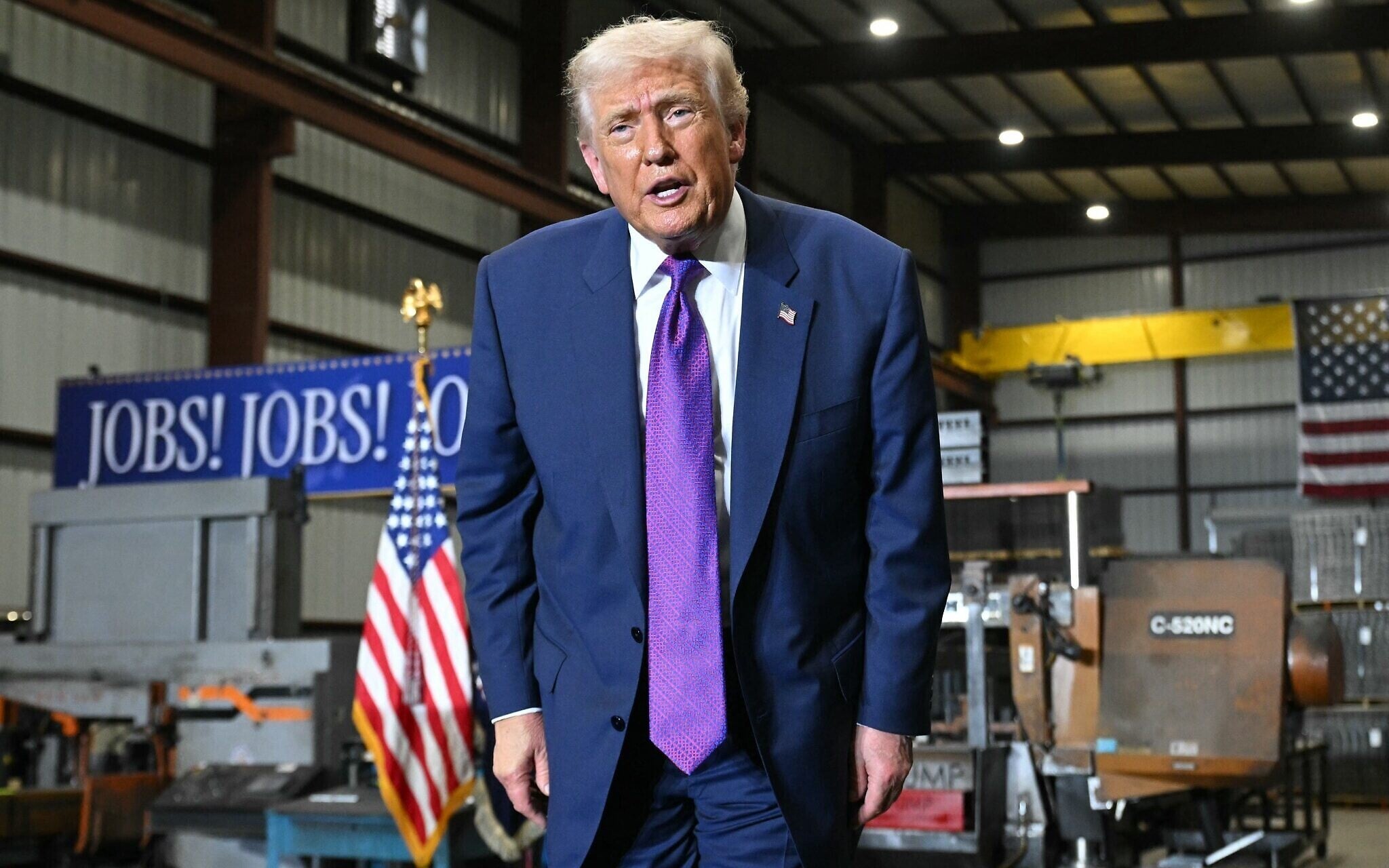
The dispute intensified after the United States unilaterally withdrew from the 2015 nuclear agreement. Since then, negotiations have faltered repeatedly. Trump continues to push for strict limits, while Pezeshkian insists that no nation can unilaterally deny another’s technological progress. This standoff remains a primary catalyst for regional tension.
Islamabad as a Diplomatic Pivot for Iran Nuclear Rights
Islamabad is currently serving as a strategic hub for this unfolding crisis. High-level representatives from both nations are likely to meet in the capital, prompting massive security escalations. Authorities have already ramped up surveillance, suspended public transport, and closed key business districts to facilitate the arrival of foreign delegations at Nur Khan Airbase.

The Translation (Clear Context)
At its core, this conflict is not just about uranium; it is about the “Strategic Autonomy” of a mid-sized power against a superpower. When Pezeshkian speaks of “legitimate rights,” he is referencing the Non-Proliferation Treaty (NPT), which allows for civilian nuclear energy. Trump’s “Surrender” demand represents a shift toward total containment, aiming to neutralize Iran’s scientific baseline entirely.
The Socio-Economic Impact
For the average Pakistani citizen, this diplomatic friction in Islamabad creates immediate logistical disruptions, including transport closures and heightened security. More broadly, a failure in these talks could lead to increased regional instability. This affects energy prices and trade routes, impacting every household budget from Karachi to Peshawar. For students and professionals, regional peace is the essential foundation for economic mobility.

The Forward Path (Opinion)
This development represents a Stabilization Move. While Pezeshkian’s rhetoric is firm, his presence in a neutral diplomatic space like Islamabad suggests a desire for precision over provocation. By defending Iran Nuclear Rights without escalating to open conflict, Tehran is attempting to recalibrate its international standing. Success here depends on whether the US accepts a civilian baseline or continues to demand a total dismantling of Iran’s technological core.








