The strategic deployment of digital content has reached a new calibration point as Iran’s embassy in Tajikistan leveraged a viral AI-edited clip depicting Jesus attacking former US President Donald Trump. This calculated maneuver emerged after Trump himself shared an AI-generated image of himself in a messianic pose. This incident effectively transforms the diplomatic landscape, demonstrating the potent influence of the Iran Trump meme in shaping global narratives and recalibrating international discourse through digital satire.
Understanding the Digital Diplomatic Shift
This incident commenced when former US President Donald Trump circulated an AI-generated image portraying himself in a Jesus-like capacity, seemingly healing a sick individual. This particular visual quickly generated substantial criticism from Christian activists, conservative commentators, and religious leaders, who deemed it both inappropriate and blasphemous. Consequently, the Iranian embassy in Tajikistan strategically mirrored this digital engagement by sharing its own AI-edited clip. This counter-narrative portrayed an angry Jesus striking Trump, thereby escalating the social media exchange into a significant diplomatic and political flashpoint. Other Iranian diplomatic accounts subsequently amplified this online mockery, indicating a coordinated digital strategy.
Socio-Economic Resonance: Digital Diplomacy’s Ripple Effect
For the average Pakistani citizen, particularly students and professionals navigating the digital sphere, this event underscores the evolving dynamics of international communication. It highlights how digital platforms are now central to diplomatic exchanges, often bypassing traditional channels. Furthermore, it serves as a critical case study in recognizing the proliferation of AI-generated content and its potential for both satire and misinformation. Citizens must develop enhanced digital literacy to discern nuanced political messages embedded within viral content, fostering a more informed populace capable of analyzing complex global narratives and their local implications. This demonstrates a shift in how geopolitical statements are disseminated and consumed.
The Forward Path: A Stabilization Move in Digital Engagement
This development represents a Stabilization Move rather than a revolutionary momentum shift. While the specific content is novel, the underlying strategic intent to leverage digital virality for diplomatic messaging is not entirely new. It signals a calibrated adaptation to the contemporary digital battleground, where information warfare and cultural commentary intertwine. The swift response from Iranian entities indicates a baseline operational capacity in digital diplomacy, aiming to maintain relevance and exert influence within the global information ecosystem. This episode reinforces the necessity for robust digital engagement strategies for all state actors in the modern era.
The Viral Response and Narrative Recalibration
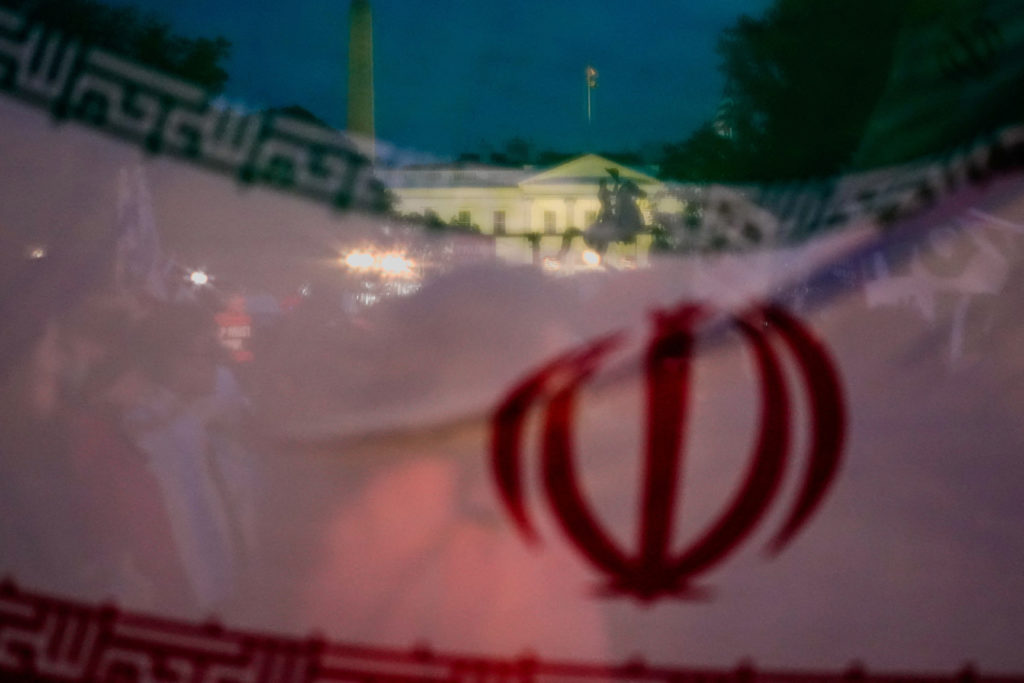
The strategic deployment of the Iranian embassy’s edited clip effectively inverted the initial narrative. It depicted an indignant Jesus confronting Trump, thereby escalating the digital discussion into a significant diplomatic and political flashpoint. Consequently, this episode rapidly achieved viral status across numerous platforms, with several Iranian diplomatic accounts actively participating in the online satire. This collective action underscored a coordinated campaign.
Furthermore, Iran’s embassy in South Africa also amplified Trump’s original AI image, appending mocking captions to integrate it into a broader satirical initiative. In contrast, the subsequent public outcry became so pronounced that Trump ultimately removed his original post. He asserted that the public had misinterpreted his intentions, clarifying that the image was designed to portray him as a physician rather than a religious icon. This sequence of events highlights the precision required in managing digital narratives.