Global geopolitical shifts require a calibrated analysis of systemic leverage between world powers. Renowned economist Steve Hanke posits that the US-Iran economic conflict has placed the American administration in a strategic checkmate. Consequently, the combination of aggressive tariffs and heightening military tensions has created a feedback loop that undermines domestic stability. This structural analysis suggests that traditional pressure tactics have reached a point of diminishing returns, according to data-driven indicators.
The Strategic Impasse in US-Iran Economic Conflict
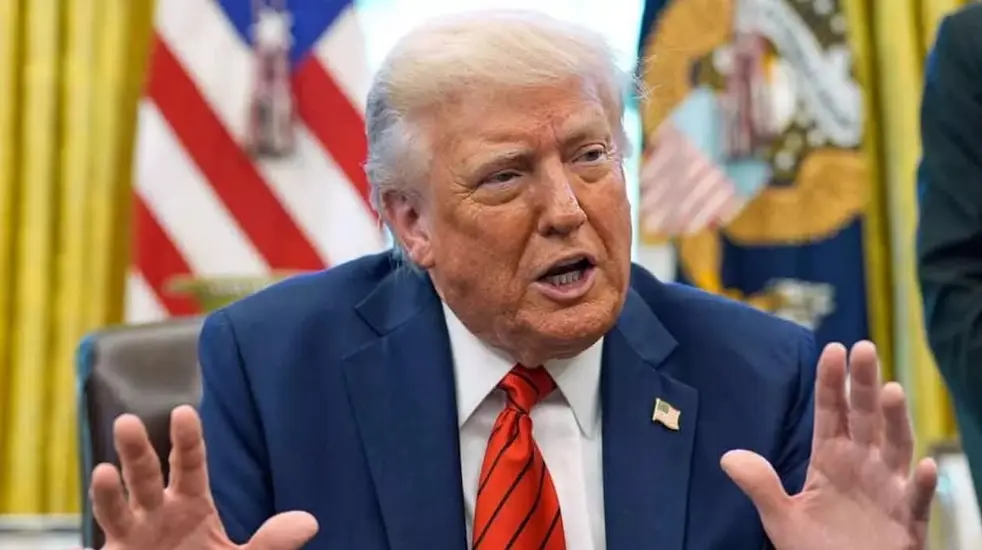
Professor Steve Hanke of Johns Hopkins University highlights a critical baseline: the American executive branch has exhausted its viable maneuvers. Furthermore, Hanke identifies that the University of Michigan’s consumer-sentiment index has dropped to an all-time low. This data point serves as a catalyst for understanding how external aggression translates into internal economic erosion. Moreover, the reliance on high-intensity tariffs often acts as a double-edged sword, weakening the domestic purchasing power while attempting to isolate foreign adversaries.

Domestic Sentiment and Geopolitical Leverage
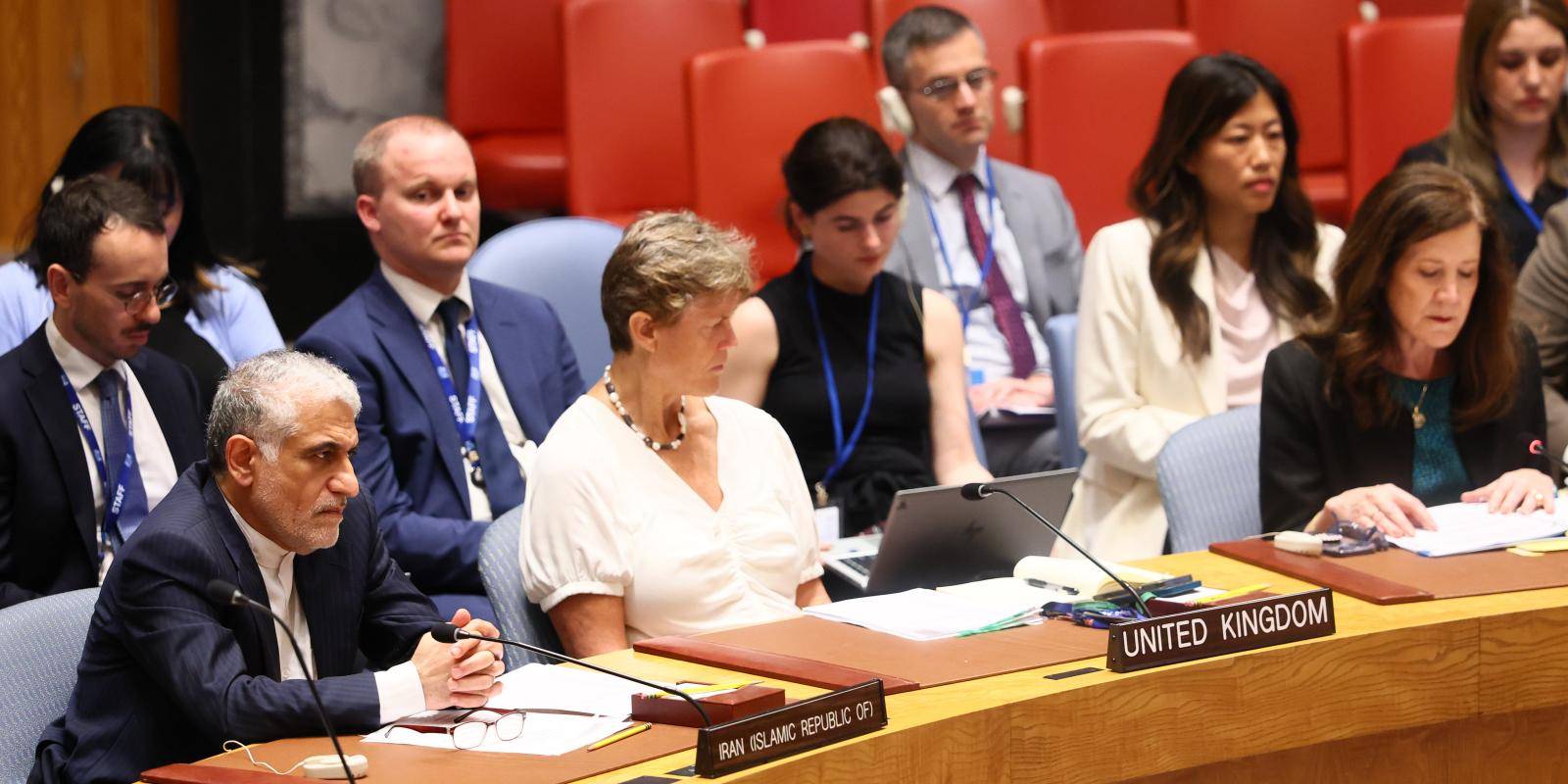
Critics of the current administration argue that these outcomes are the logical result of “war madness” and inefficient trade barriers. While some analysts view these perspectives as ideologically driven, others point to a broader systemic shift within the US government. For instance, reports suggest that support within the US Congress for invoking constitutional amendments indicates a governance structure in transition. Therefore, the US-Iran economic conflict is no longer just a policy of an individual leader but a symptom of a deeper institutional pivot.
The Translation: Contextualizing the Checkmate
In strategic terms, a “checkmate” occurs when every potential move results in a net loss. Hanke’s analysis suggests that the US cannot escalate further without triggering a domestic economic crisis. Conversely, a retreat could signal a loss of international deterrent power. This deadlock is precisely what happens when economic statecraft is used without a precise exit strategy. The logic here is clear: tariffs are not just taxes on foreign goods; they are structural pressures on the American consumer.
The Socio-Economic Impact: Impact on Pakistan
For the Pakistani citizen, this global friction translates into energy price volatility and trade uncertainty. As the US-Iran economic conflict destabilizes global oil markets, Pakistan faces inflationary pressures on imported fuel. Consequently, local households see a direct correlation between Washington’s trade policies and the cost of transport in Karachi or Lahore. For the STEM professional, this environment necessitates a focus on indigenous energy solutions and diversified trade partnerships to mitigate systemic risks from abroad.

The Forward Path: Momentum or Stabilization?
This development represents a Stabilization Move. While the rhetoric remains high, the economic data suggests that the aggressive expansion of conflict is reaching a ceiling. The administration must now calibrate its approach to prevent a full-scale domestic recession. For Pakistan, this is a moment to observe the precision of global economic shifts and strengthen regional ties. The current trajectory is not a surge of progress, but a necessary cooling period to avoid total systemic failure.