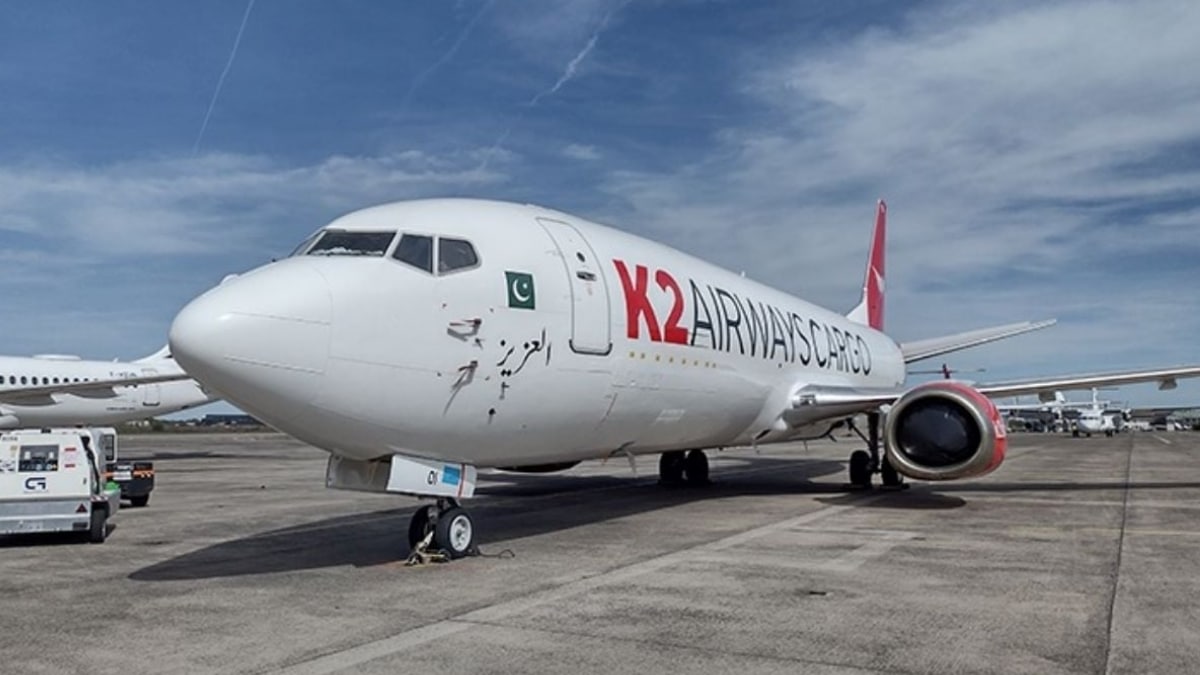
The upcoming K2 Airways wreckage search represents a calibrated effort to uphold global aviation safety standards through high-precision maritime engineering. An international deep-sea recovery team plans to arrive in Pakistan by mid-to-late August to locate the cargo aircraft that descended into the Arabian Sea off Ormara, Balochistan. Consequently, this mission will deploy specialized underwater technology to navigate the extreme environmental constraints of the crash site.
Deploying Precision Tech for the K2 Airways Wreckage Search
The cargo vessel went down on July 7, coming to rest at a structural baseline depth of approximately 3,000 meters. Due to these extreme depths, the operation requires an investment of nearly $10 million. Specialized teams will utilize a suite of advanced equipment to facilitate the recovery, including:
- Remotely Operated Vehicles (ROVs): For precision visual inspection and mechanical retrieval.
- Diving Bells and Specialized Divers: To manage deep-water structural stabilization.
- Airbags: Specifically calibrated for lifting heavy fuselage components to the surface.

The Critical Window for Data Recovery
Time remains a strategic constraint for the mission. Engineers report that the flight data recorder’s underwater locator beacon typically functions for only 30 days. Furthermore, more than three weeks have passed without a detectable signal. Despite these challenges, the aircraft manufacturer and insurers are providing technical support to analyze the catalyst of the incident.

The aircraft, registered in Ireland, operated under a “dry lease” agreement by Pakistani stakeholder Raja Tariq. Specifically, this arrangement means the lease covered only the physical aircraft without the crew. Because the registration is Irish, the financial insurance payouts will proceed directly to the registered owner in Europe.
The Situation Room Analysis
The Translation
In the aviation sector, a “dry lease” refers to a financing structure where an airline provides its own crew and ground support for a leased hull. This distinction is critical because it shifts operational liability while maintaining the aircraft’s original registration. The K2 Airways wreckage search is technically complex because 3,000 meters exceeds the operational ceiling of standard commercial salvage equipment, necessitating the mobilization of global maritime assets.

The Socio-Economic Impact
This development directly impacts the safety perception of the Pakistani aviation corridor. For the average citizen, the successful recovery of the “black box” ensures that systemic flaws are identified and corrected, preventing future tragedies. Additionally, the $10 million expenditure highlights the high cost of safety failures, emphasizing the need for more rigorous maintenance protocols within local cargo operations.

The Forward Path (Opinion)
This mission represents a Momentum Shift. By choosing to invest in international deep-sea expertise rather than settling for a standard coastal search, Pakistani stakeholders are prioritizing data integrity over cost-saving. This precision-focused approach is the only way to restore institutional trust in the national aviation infrastructure.