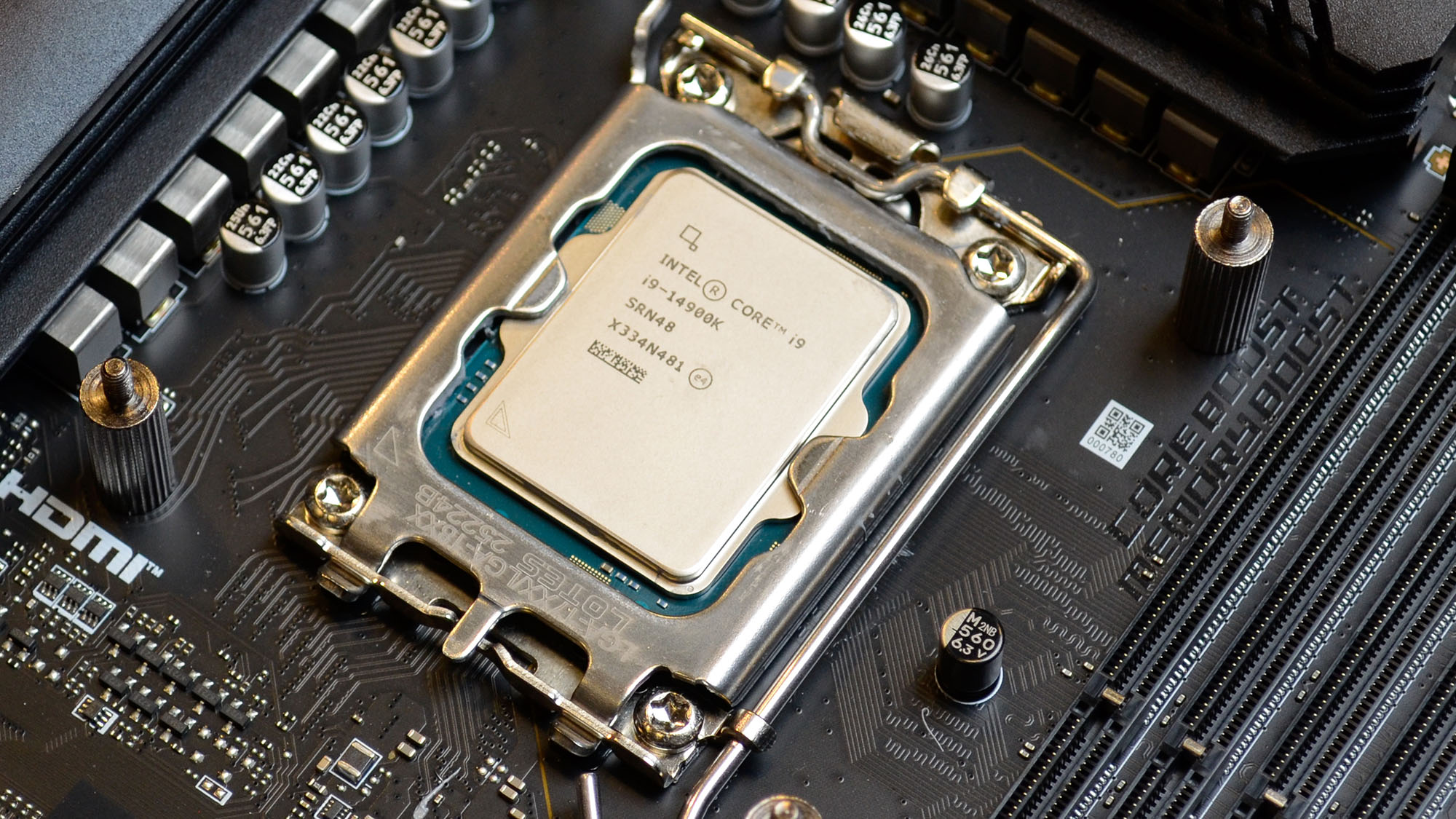
The 9.2GHz Threshold: Core i9 14900KF Engineering Milestone
The global race for semiconductor supremacy has reached a new baseline as the Core i9 14900KF officially shattered the world CPU frequency record. Chinese overclocker wytiwx achieved a calibrated frequency of 9,206.34MHz, marking the first time a processor has successfully bypassed the 9.2GHz frontier. Consequently, this achievement underscores the structural durability of Intel’s 14th Gen architecture under extreme thermal stress.
To reach this strategic frequency, the team utilized liquid helium cooling, a precision cooling method far beyond conventional consumer setups. This milestone distinguishes the Core i9 14900KF as the premier silicon for high-performance benchmarking. Significant system stability was maintained despite the aggressive frequency targets, proving the maturity of the Raptor Lake Refresh platform.
Hardware Synergy and Technical Calibration
Success in extreme overclocking requires more than just silicon lottery; it demands a synergy of high-tier components. The record-breaking run utilized an ASUS ROG Maximus Z790 Apex motherboard, a platform specifically engineered for precision voltage delivery. Furthermore, the test setup integrated 16GB of DDR5 memory and an ASUS ROG Thor 1600W power supply to ensure a consistent energy baseline.
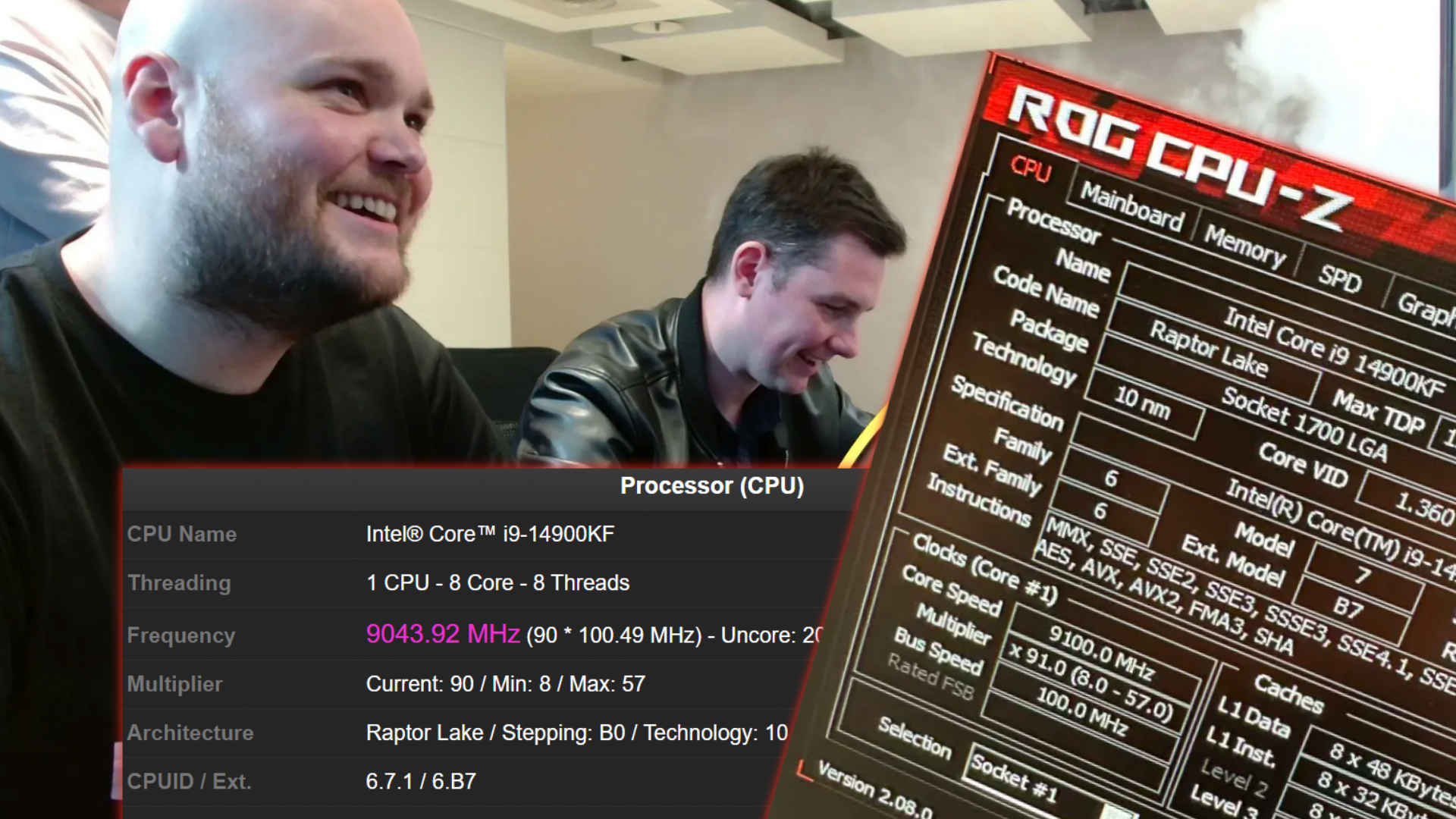
Data from HWBOT reveals that the Core i9 14900KF operated at 1.348V during the validation. To maximize the stability of the P-cores, the team strategicially disabled all but seven cores and threads. This structural modification allowed the processor to focus its thermal and electrical overhead on a specific performance cluster, resulting in the 9,206.34MHz clock speed.
Core i9 14900KF Standard Specifications
- Architecture: 14th Gen Raptor Lake Refresh
- Core Configuration: 24 Cores (8 P-cores, 16 E-cores)
- Base Power: 125W (253W Max Turbo Power)
- Cache: 36MB Intel Smart Cache, 32MB L2 Cache

The “Situation Room” Analysis
The Translation: Technical Clarity
In standard computing environments, the Core i9 14900KF operates at a maximum turbo frequency of 6GHz. The jump to 9.2GHz is not a minor increment; it represents a 53% increase over factory limits. This “extreme overclocking” serves as a stress test for the silicon’s architectural limits. Think of it as a Formula 1 car testing an engine at 20,000 RPM—while not practical for daily driving, it proves the durability and precision of the underlying technology.

The Socio-Economic Impact: Progress for Pakistan
For the Pakistani tech landscape, these records serve as a catalyst for local hardware enthusiasts and STEM students. Understanding the precision engineering required to hit 9.2GHz encourages a shift from mere consumption to technical mastery. As digital infrastructure in Pakistan scales, the demand for professionals who understand semiconductor limits and efficient system architecture will rise. This development signals that the hardware ceiling is still rising, promising faster computational tools for local developers and data scientists in the near future.
The Forward Path: Expert Opinion
This development represents a Momentum Shift. While Intel’s 14th Gen is effectively a refresh of previous designs, the ability to push this silicon to 9.2GHz demonstrates that we have not yet reached the physical limits of the current node. Consequently, we expect future architectures to leverage these thermal and electrical lessons to provide higher stable “out-of-the-box” speeds for professionals and gamers alike.