Calibrating Cricket: Addressing Politicization in International Sport
The integrity of international sport faces systemic challenges as cricket politicization escalates, exemplified by Pakistan’s potential T20 World Cup boycott against India. This escalating tension, critically highlighted by Indian Congress MP Shashi Tharoor, underscores the urgent need for strategic dialogue to re-establish sport as a unifying force, rather than a geopolitical instrument. Consequently, stakeholders must proactively engage to de-escalate this crisis and preserve the foundational spirit of competition.
The Translation: Deciphering the Escalation of Cricket Politicization
Indian Congress MP Shashi Tharoor has critically evaluated the increasing politicization of cricket. His remarks follow credible reports of Pakistan’s potential boycott of its ICC Men’s T20 World Cup 2026 match against India. Furthermore, Tharoor characterized this evolving situation as “disgraceful,” asserting that political agendas have regrettably permeated the sporting domain from all involved factions.
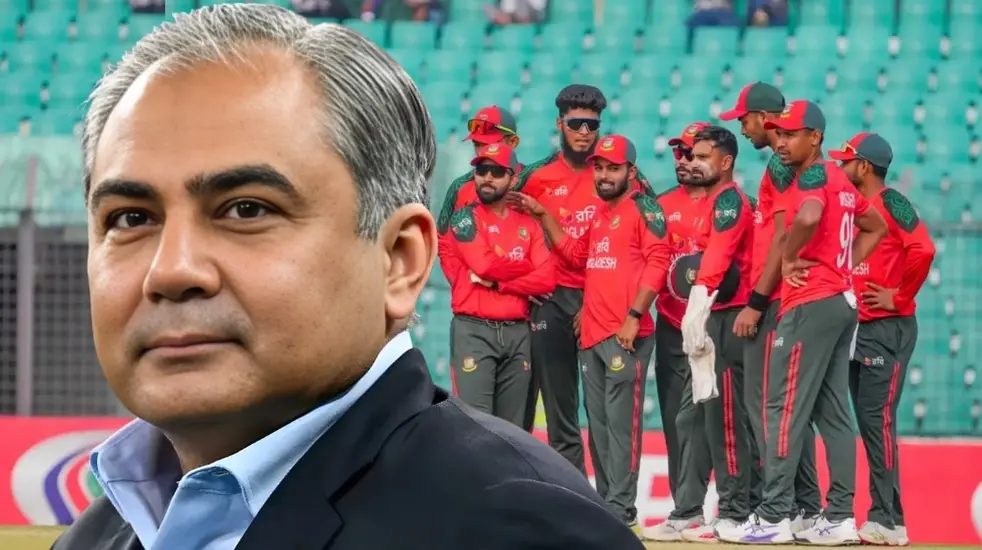
He meticulously articulated that cricket, a sport deeply ingrained in the cultural fabric of the region, possesses an inherent capacity to unite populations, not to serve as a conduit for divisive political messaging. Additionally, Tharoor referenced the controversy surrounding Bangladeshi fast bowler Mustafizur Rahman, who was reportedly denied a contract with the Kolkata Knight Riders. He labeled this decision “most unfortunate,” emphasizing that Mustafizur’s professional opportunities should not have been obstructed.

While condemning the initial impediment to Rahman’s contract, Tharoor also viewed Bangladesh’s subsequent reaction as an overreach. Consequently, Pakistan’s decision to boycott appears to be an attempt to demonstrate solidarity with Bangladesh, a move Tharoor cautions is leading to a situation “spiralling out of control.” This intrusion of political directives into athletic competition is structurally troubling, as such actions invariably exacerbate tensions rather than facilitating resolution.
#WATCH | On Pakistan to boycott its match against India in the ICC Men’s T20 World Cup 2026, Congress MP Shashi Tharoor says, "It is pretty disgraceful that sport has been politicised in this way on both sides, frankly. I don’t think that Mustafizur (Bangladeshi cricketer… pic.twitter.com/wt3wgwXZPQ
— ANI (@ANI) February 2, 2026

Socio-Economic Impact: Calibrating Citizen Engagement and Athletic Futures
The current trajectory of cricket politicization has tangible ramifications for the daily life of a Pakistani citizen. Firstly, it diminishes the unifying power of sport, a vital cultural component that transcends political divides. Students and young professionals, who often find inspiration and national pride in international cricket, experience disillusionment when sporting events are cancelled or compromised.
Furthermore, the boycott directly impacts the career prospects and economic stability of athletes. Opportunities for international exposure, crucial for skill development and financial advancement, are curtailed. Households in both urban and rural Pakistan, where cricket viewership is a significant social activity, lose a critical source of communal entertainment and shared national experience. Consequently, this escalation undermines not only sporting integrity but also the broader societal benefits derived from healthy international competition.
The Forward Path: Architecting a Unified Sporting Horizon
This current crisis necessitates a decisive Stabilization Move rather than an unintended momentum shift towards further division. Tharoor’s call for immediate, constructive dialogue among all involved parties is a structurally sound recommendation. He strategically suggested that the International Cricket Council (ICC) should serve as a neutral, calibrated platform for emergency discussions to de-escalate the burgeoning crisis.
Ultimately, a sport like cricket, which holds profound significance for millions, must fundamentally unite participants and spectators alike on the playing field. This situation serves as an urgent wake-up call, demanding that all concerned entities establish contact and collectively terminate this unproductive cycle. Moving forward, the strategic objective must be to safeguard the essence of sport from extrinsic political pressures, ensuring its continuity as a beacon of unity and fair competition.