
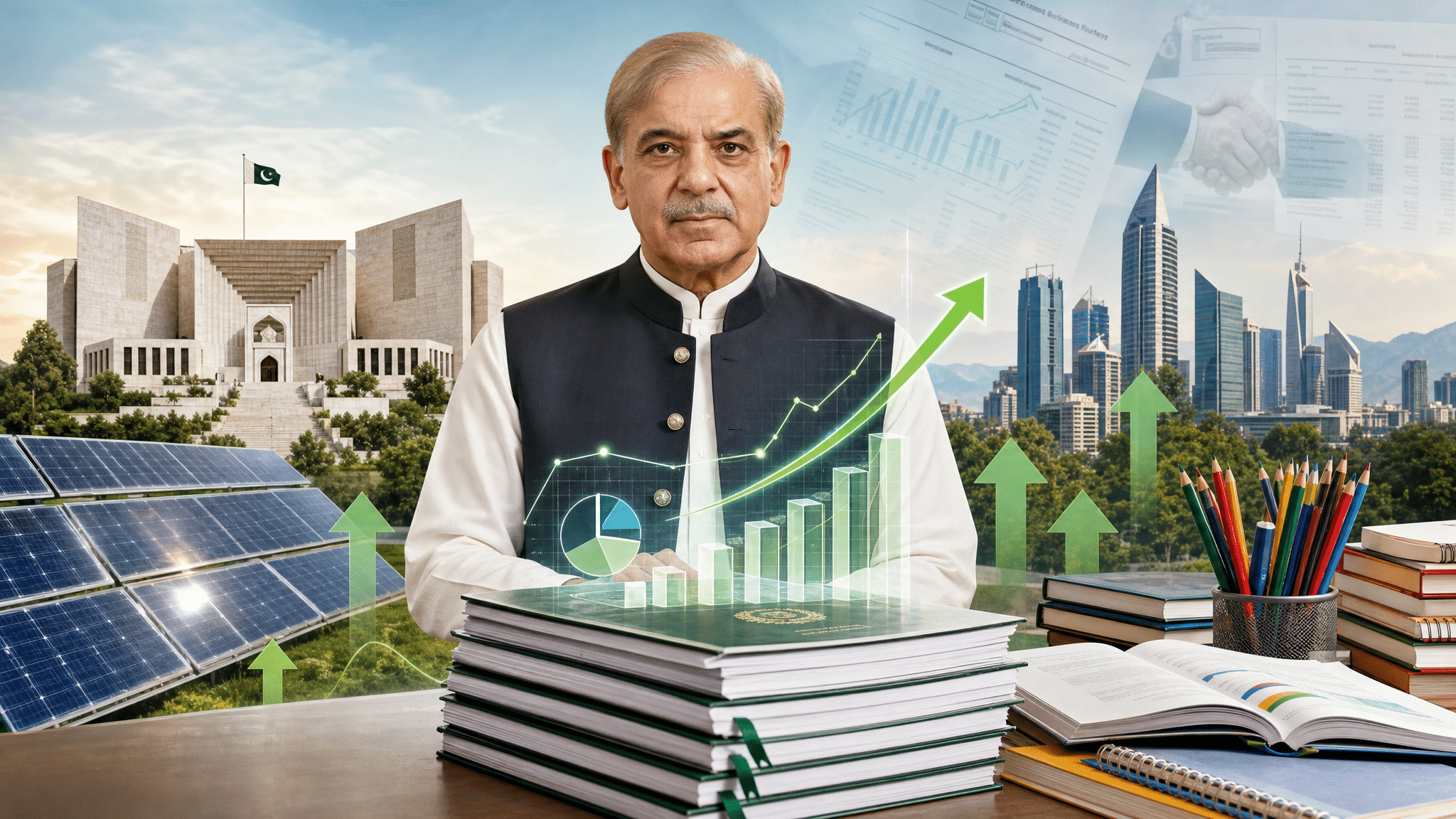
In a decisive move for national energy security, the International Monetary Fund (IMF) has officially withdrawn proposed sales tax increases on solar panel tax and stationery items. This structural adjustment follows a direct intervention by Prime Minister Shehbaz Sharif during the finalization of the federal budget for 2026-27. Consequently, the decision serves as a strategic catalyst for Pakistan’s renewable energy sector and the educational landscape.
Strategic Fiscal Recalibration of the Solar Panel Tax
The initial proposal suggested raising the sales tax on solar panels from 10 percent to 18 percent. However, following high-level discussions, the IMF accepted the government’s request to drop this increase. By maintaining a lower solar panel tax, the state ensures that the momentum of solar adoption remains uninterrupted. Furthermore, this move stabilizes the baseline costs for consumers seeking energy independence amidst rising utility tariffs.
Protecting the Educational Baseline
Beyond energy, the IMF also agreed to withdraw a proposed 18 percent sales tax on stationery items. This precision move prevents a significant surge in the cost of textbooks, notebooks, and essential school supplies. Additionally, sources indicate that taxation on the stock market will likely remain unchanged, providing a much-needed stabilizer for the financial markets during the upcoming fiscal cycle.
The Translation: Understanding the Negotiations
The core logic behind this withdrawal lies in the balance between fiscal consolidation and social equity. While the IMF typically pushes for uniform tax structures to meet revenue targets, the Pakistani government argued that taxing solar panels would cannibalize the nation’s green energy transition. By removing these levies, the government is prioritizing long-term energy efficiency over short-term revenue collection. It represents a calibrated effort to align with global climate goals while easing the inflationary burden on the middle class.
Socio-Economic Impact: Relief for the Citizenry
For the average Pakistani citizen, this development translates into direct cost savings. Students and households will avoid a sharp spike in educational expenses, ensuring that stationery remains accessible to the masses. More importantly, for urban and rural households struggling with high electricity bills, the continued affordability of solar technology offers a viable escape from the traditional power grid. This shift empowers professionals and small business owners to invest in sustainable infrastructure without the deterrent of prohibitive taxation.
The Forward Path: A Momentum Shift
This development represents a clear Momentum Shift for Pakistan’s economic policy. Rather than a mere stabilization move, the withdrawal of these taxes indicates a strategic pivot toward supporting productive sectors of the economy. By defending the renewable energy frontier, Pakistan is signaling its commitment to a STEM-driven, sustainable future. Moving forward, the challenge will be to maintain this fiscal discipline without compromising the growth of the digital and green industries.








