
The Big Picture: Calibrating Public Safety
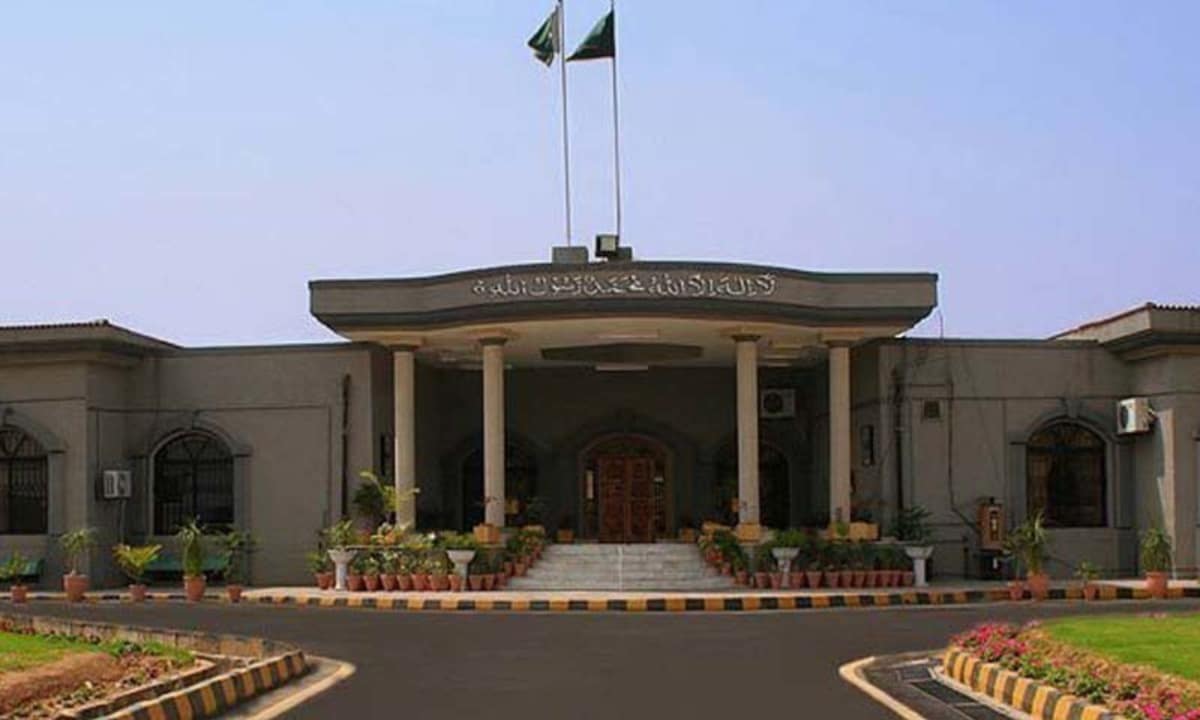
The Islamabad High Court (IHC) recently issued a calibrated directive where the IHC summons officials from the police and administration to address the unregulated proliferation of sheesha cafes. Chief Justice Sardar Mohammad Sarfaraz Dogar responded to a petition highlighting a structural breakdown in the enforcement of health regulations across the federal capital. Consequently, the court requires the personal appearance of the Deputy Commissioner and the Inspector General of Police to explain this administrative oversight.
IHC Summons Officials to Address Regulatory Gaps
The petitioner, Raja Abdul Jabbar, presented data indicating that numerous sheesha cafes operate without valid no-objection certificates (NOCs). These establishments reportedly host late-night gatherings that serve as catalysts for unhealthy behaviors. Advocate Mohammad Sohail Khurshid argued that these venues contribute to the spread of chronic diseases, including HIV. Specifically, the petition references statements from the health ministry that associate these nocturnal environments with deteriorating public health baselines.
The court has now mandated a comprehensive report from the Chief Commissioner and the IGP within seven days. This judicial intervention seeks to determine why enforcement agencies allowed these establishments to bypass existing legal frameworks. Furthermore, the court expects a precise roadmap for future compliance and public safety monitoring.
The Situation Room: Analysis
The Translation
In this context, the legal summon serves as a precision tool for institutional accountability. Rather than just a routine hearing, the IHC is questioning the structural integrity of Islamabad’s zoning and health enforcement. By linking late-night cafe culture to a rise in HIV cases, the court is treating urban regulation as a direct component of national health security. The summons signifies that “administrative silence” is no longer an acceptable baseline for the capital’s law enforcement.
The Socio-Economic Impact
This development directly impacts the health and safety of Pakistani households. For urban families, the unregulated growth of these cafes represents a significant risk to youth wellness and community standards. A rise in chronic diseases like HIV puts an avoidable strain on the national healthcare infrastructure and reduces the economic productivity of the younger generation. Effective regulation would ensure that recreational spaces do not become hotbeds for public health crises.
The Forward Path
We categorize this development as a Momentum Shift. The IHC’s proactive stance marks a transition from passive reporting to active judicial oversight of public health. For this to move from a “maintenance” move to a permanent “progress” milestone, the local administration must implement a calibrated licensing system that prioritizes citizen health over commercial interests. September 9 will be the critical baseline for evaluating whether the police and DC Islamabad can present a viable strategy for reform.








