
The Precision of Regulatory Frameworks: IHC Intervenes
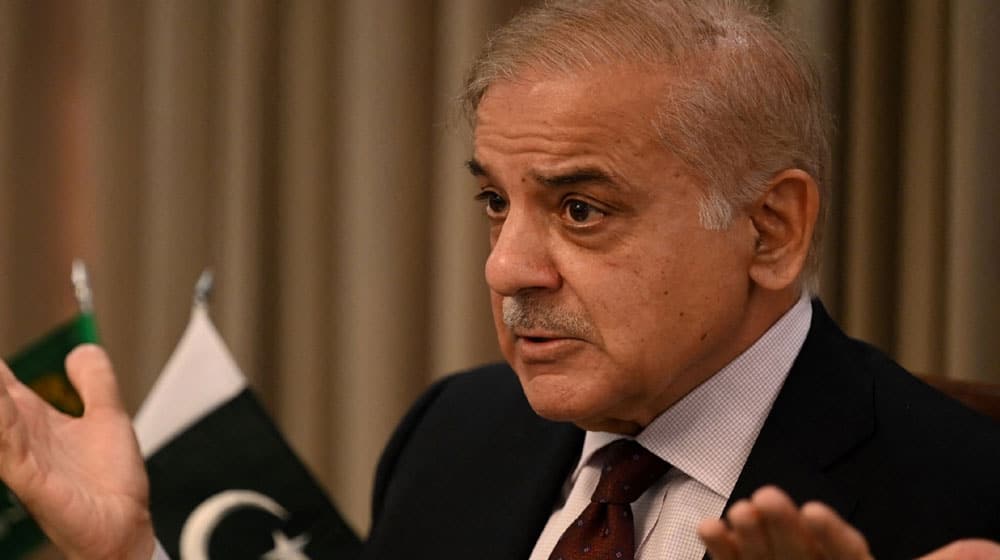
Systemic efficiency remains the cornerstone of a functional digital economy. Recently, the Islamabad High Court (IHC) signaled a critical baseline for accountability by summoning Prime Minister Shehbaz Sharif. This summons addresses the strategic delay in the Telecom Tribunal Appointment, a structural vacancy that currently bottlenecks the resolution of industry-wide legal disputes. Justice Mohsin Akhtar Kiani has mandated the Prime Minister’s personal appearance on May 18 to explain why this essential position remains unfilled.
The core of this litigation involves the failure to appoint a Finance Member to the Telecommunication Appellate Tribunal. This body serves as the primary catalyst for hearing appeals against decisions made by the Pakistan Telecommunication Authority (PTA). Consequently, the absence of a complete tribunal halts the legal process for dozens of telecom stakeholders. Justice Kiani emphasized that the administration must finalize the appointment by the stated deadline or face strict judicial scrutiny.
Structural Challenges and Judicial Criticism
Beyond the immediate vacancy, the court expanded its inquiry into the broader methodology of tribunal staffing. Justice Kiani expressed a calibrated discontent regarding the frequent recruitment of retired judges. He remarked that such appointments often fail to deliver the intended progress, suggesting that the “fondness” for these roles may be driven by a desire for past protocol rather than technical efficiency. The court has also summoned the Secretary and Cabinet Secretary to provide data on these administrative decisions.

The Telecommunication Appellate Tribunal was established in early 2024 to expedite legal disputes. Its structural design requires a Chairman, two technical members, and a Finance Member. While Justice Muhammad Tariq Abbasi took the lead as Chairman in early 2026, the missing Finance Member has prevented the tribunal from reaching full operational capacity. This delay compromises the tribunal’s mandate to resolve disputes within a strict 90-day window.
The Situation Room Analysis
The Translation: Clear Context
In technical terms, a Telecommunication Appellate Tribunal acts as the “safety valve” for the industry. When the PTA makes a regulatory ruling, companies need a specialized court to appeal. A Finance Member is required because these disputes often involve billions of rupees in licensing fees and spectrum auctions. Without a Finance Member, the tribunal lacks the technical precision to adjudicate fiscal matters, effectively freezing the legal rights of the telecom sector.
The Socio-Economic Impact
How does this Telecom Tribunal Appointment affect the average citizen? When legal disputes between the government and telecom companies stall, investment in infrastructure—like 5G rollout or rural connectivity—often halts. For the Pakistani citizen, this translates to slower internet speeds, higher service costs, and delayed technological advancement. A functional tribunal ensures a competitive market, which ultimately benefits the consumer through better services.

The Forward Path: Momentum Shift
This development represents a Momentum Shift. The IHC’s decision to summon the Prime Minister directly is a calibrated move to break administrative inertia. By forcing a deadline for the Telecom Tribunal Appointment, the judiciary is transitioning from passive observation to active enforcement of system efficiency. If the appointment is finalized, we expect a rapid clearing of the legal backlog, catalyzing growth in Pakistan’s digital frontier.
- Tribunal Mandate: 90-day dispute resolution.
- Current Vacancy: Finance Member.
- Judicial Directive: Appearance of PM Shehbaz on May 18.








