

Ensuring the structural integrity of the national food supply chain requires the precise enforcement of food safety protocols. Assistant Commissioner Naveed Ahmed recently executed a strategic inspection on Hangu Road, leading to the immediate sealing of a local ice cream factory. This action follows specific directives from Deputy Commissioner Mohammad Nawaz to eliminate unhygienic production practices within the district.
Calibrated Enforcement of Food Safety Protocols
The inspection team identified several critical failures in the facility’s operational baseline. Specifically, the raid revealed the use of substandard ingredients and highly unhygienic sanitary conditions within the manufacturing zone. Consequently, the administration imposed heavy fines and sealed the premises to prevent further public health risks.
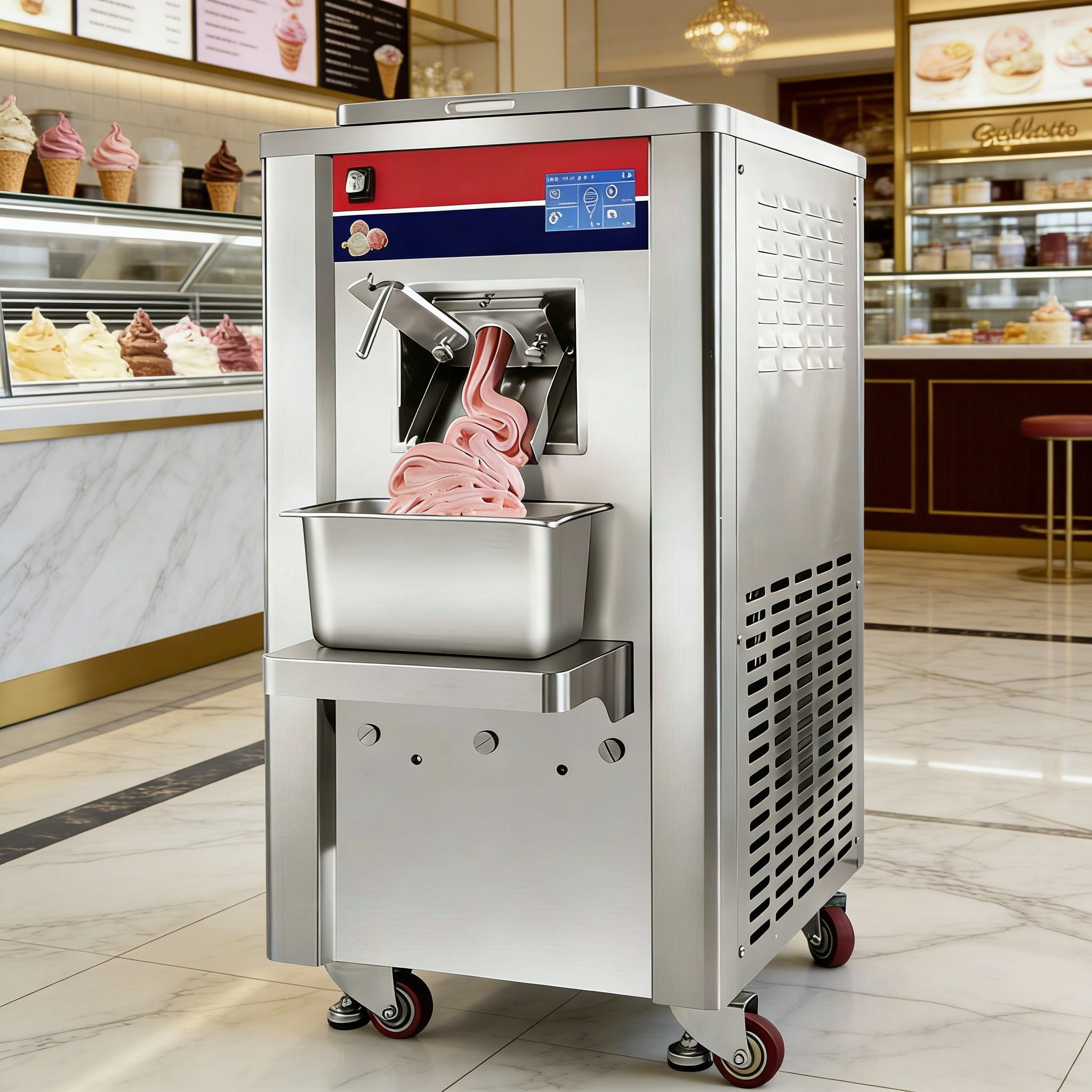
Furthermore, Naveed Ahmed emphasized that legal action would persist against any entity compromising health regulations. He maintained that permanent closure remains a viable outcome for repeat offenders. This campaign serves as a structural catalyst for improving industrial food standards across the region.
The Translation: Systemic Accountability
When an official “seals a factory,” they are performing a critical system reset. It means the facility failed to meet the mandatory food safety protocols required to operate legally. By utilizing substandard ingredients, the factory bypassed safety filters designed to protect the human biological baseline. The administration’s intervention ensures that commercial profit does not supersede national health safety.
The Socio-Economic Impact: Protecting the Future
For the average Pakistani household, these enforcement actions act as a protective barrier. Unsafe food products are a primary cause of preventable medical expenses and long-term health complications for children and students. Improving the quality of localized production units increases consumer confidence, which eventually stabilizes the local food economy.

The Forward Path: Momentum Shift
This development represents a Momentum Shift in district governance. Moving beyond reactive monitoring to proactive, surprise inspections indicates a shift toward a more disciplined regulatory framework. To maintain this progress, the administration must now integrate digital tracking for food licenses to ensure sustained compliance with food safety protocols across all manufacturing tiers.








