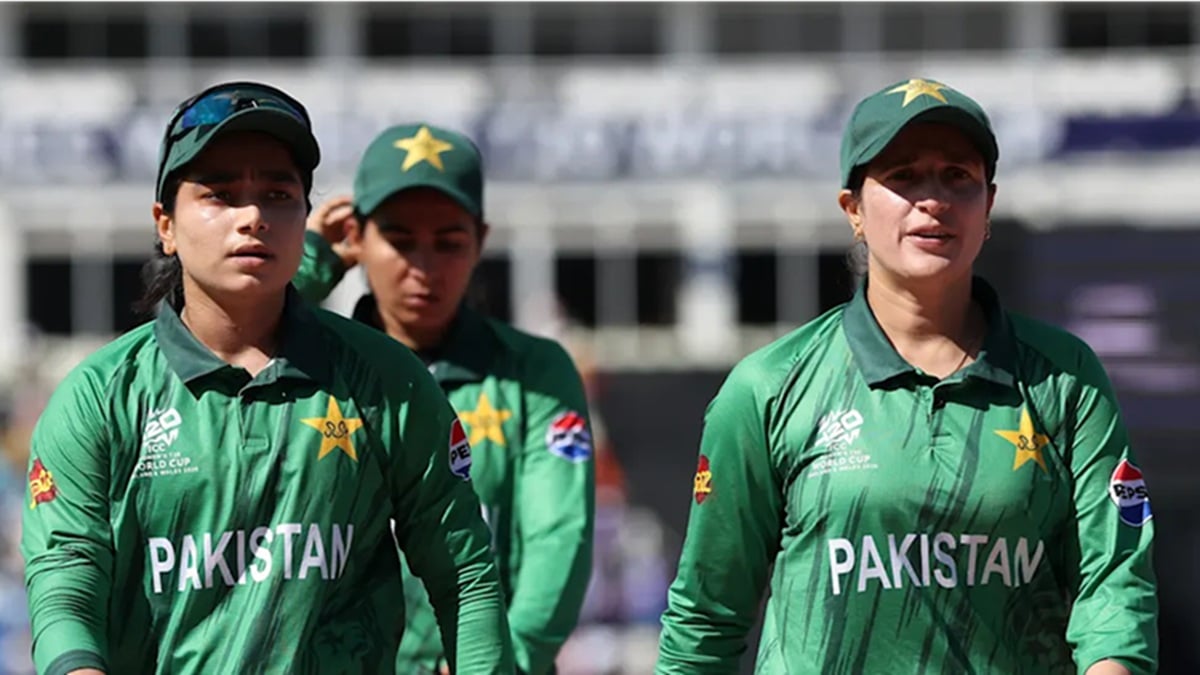
Precision serves as the baseline for international sporting success. Consequently, the ICC penalizes Pakistan for maintaining a slow over-rate during their high-stakes Women’s T20 World Cup 2026 opener against India at Edgbaston. This institutional sanction highlights a critical lack of operational efficiency in a match that already tested the team’s structural limits.
The International Cricket Council officially announced a fine of five percent of match fees for the entire squad. Match Referee Trudy Anderson imposed this sanction after determining the team fell one over short of the required rate. Specifically, the ICC calibrated this penalty according to Article 2.22 of the Code of Conduct, which enforces strict temporal standards for player personnel.
The Strategic Breakdown: India vs. Pakistan
Pakistan’s campaign began with significant tactical friction. India elected to bat first and calibrated their innings to reach a formidable total of 170-6. Smriti Mandhana acted as the structural anchor with a half-century, while Richa Ghosh provided a late-innings catalyst with a 34-run cameo.

In contrast, the Pakistani chase lacked the necessary momentum to challenge the Indian total. The Indian bowling unit, led by Deepti Sharma’s five-wicket haul, dismantled the lineup for just 106 runs. Although opener Muneeba Ali displayed resilience with a 41-run performance, the team failed to establish the partnerships required for a successful chase.
The “Situation Room” Analysis
The Translation (Clear Context)
An “over-rate” is essentially a measure of system throughput. International teams must bowl 20 overs within a specific window of time. When the ICC penalizes Pakistan, they are addressing a failure in time management. Article 2.22 ensures that the game remains a fast-paced product for global audiences by financially disincentivizing delays. Captain Fatima Sana accepted the charges immediately, bypassing the need for a formal hearing and acknowledging the team’s operational lag.
The Socio-Economic Impact
For the Pakistani citizen, these sanctions represent more than a minor fine; they reflect the professional standards expected of national icons. Financial penalties reduce the net earnings of female athletes, who are already fighting for wage parity in a growing market. Furthermore, frequent disciplinary issues can dilute the “Brand Pakistan” image, potentially impacting future sponsorship precision and the perceived maturity of our sports infrastructure.
The Forward Path (Opinion)
This development represents a Stabilization Move. While the defeat is a setback, the ICC’s enforcement of standards serves as a necessary catalyst for professional growth. Pakistan must now calibrate their field management before facing South Africa on June 17. To maintain momentum in the 12-team tournament, the management must treat efficiency as a non-negotiable metric, rather than an afterthought.

Key Performance Data Points
- Penalty: 5% Match Fee fine per over short.
- Deficit: 1 over behind the required rate.
- Match Outcome: 64-run defeat (India: 170-6 | Pakistan: 106 all out).
- Next Objective: Match against South Africa at Edgbaston, June 17.