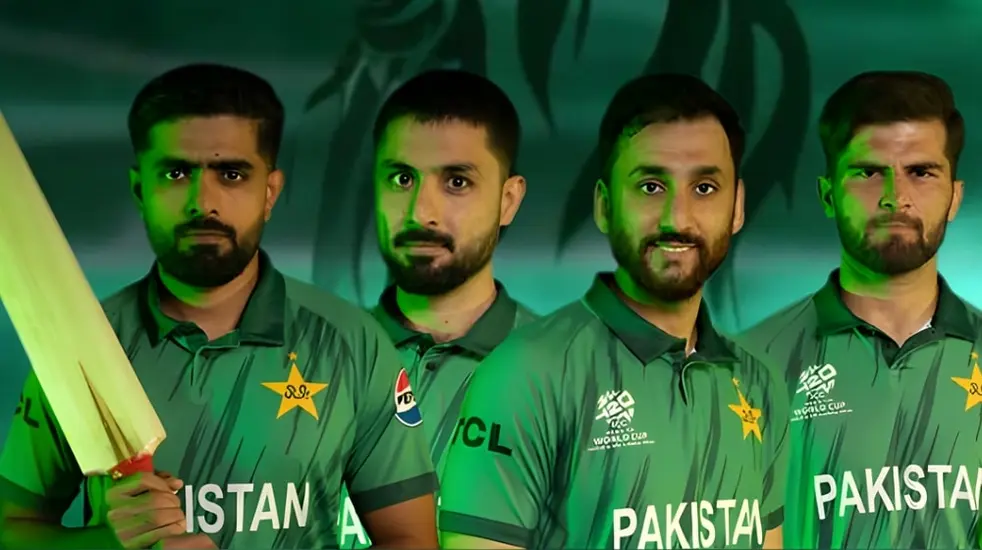
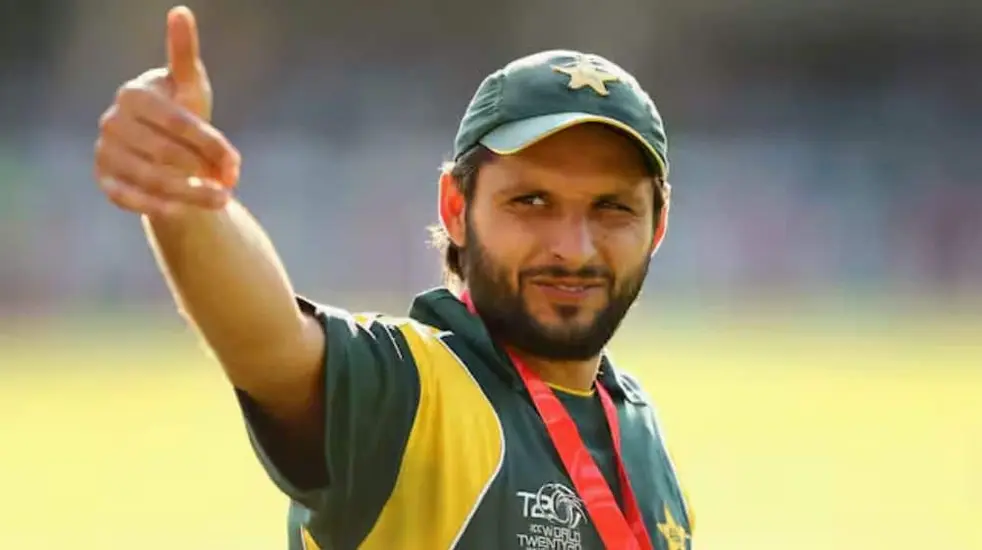
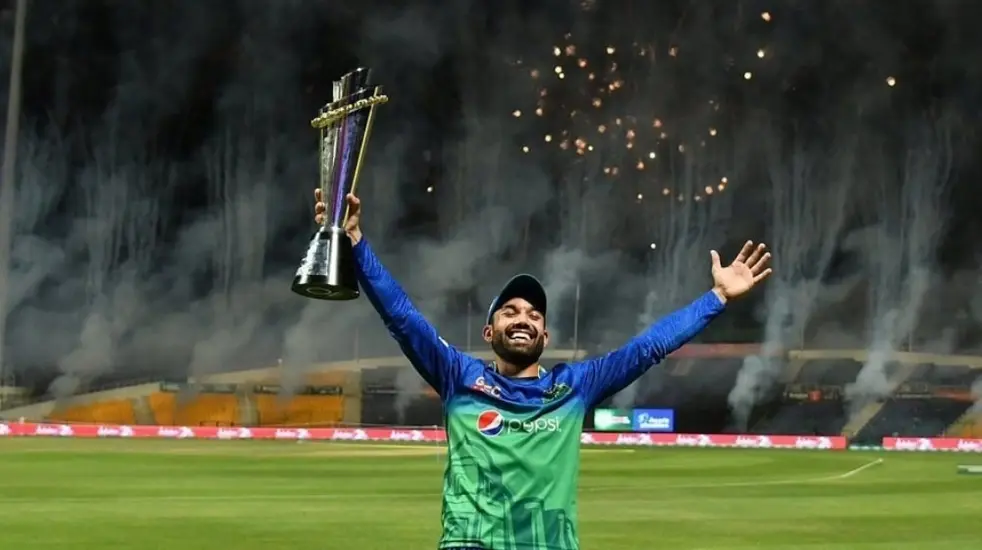
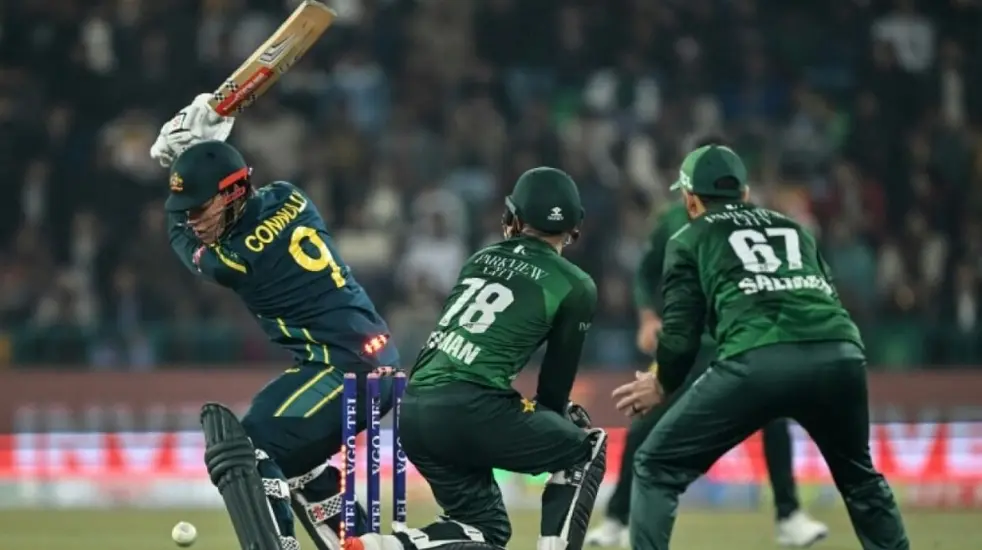
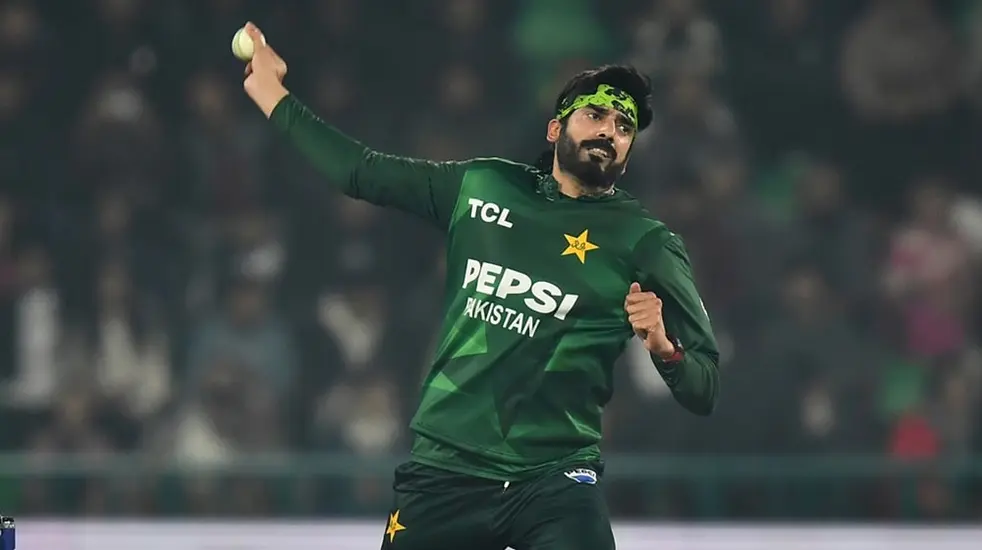
The psychological infrastructure of Pakistan cricket is undergoing a calibrated transformation, led by the unapologetic stance of young batter Hasan Nawaz. By publicly declaring his intent to dominate the Hasan Nawaz Indian bowlers matchup, the Quetta Gladiators standout has established a new baseline for competitive aggression. This departure from traditionally cautious rhetoric signals a strategic pivot that resonates with a fanbase demanding high-intensity performance in the international arena.
Recalibrating the Competitive Mindset
During a recent high-precision interview, Nawaz addressed his tactical approach to power-hitting and target selection. Consequently, he bypassed conventional diplomatic responses, opting instead to emphasize a proactive offensive strategy. Notably, his assertion—”I hate every single bowler on the Indian team”—serves as a catalyst for a broader discussion regarding the psychological conditioning of Pakistan’s next-generation athletes.
Critics have historically characterized Pakistan’s performance against their arch-rivals as overly defensive. However, the data from Nawaz’s domestic tenure suggests a different trajectory. In the current season, the 23-year-old has accumulated 291 runs as a lower-order finisher. Furthermore, his ability to maintain a high strike rate under pressure demonstrates the technical precision required to execute such a bold verbal mandate.
The Situation Room Analysis
The Translation
While the word “hate” often carries negative connotations, in this architectural context, it translates to the total removal of psychological reverence. For years, “hero worship” or intimidation has acted as a structural barrier for young athletes. Nawaz is effectively deconstructing this barrier, replacing it with a strategic objective: to view every delivery as a target rather than a threat. This is a calibrated move to ensure mental parity before the first ball is even bowled.
The Socio-Economic Impact
The shift toward an aggressive brand of cricket directly impacts the national sports economy. When athletes like Hasan Nawaz project confidence, it increases the brand value of the Pakistan Super League (PSL) and national domestic circuits. For the average Pakistani citizen, this mindset fosters national pride and drives higher engagement in sports ecosystems. This engagement, in turn, stimulates consumer spending on sports media and local merchandise, strengthening the domestic economy.
The Forward Path
This development represents a Momentum Shift. Maintenance of the status quo is no longer a viable option for Pakistan’s cricket architecture. To compete at the elite level, the system must integrate this “fearless intent” into its core training modules. While Nawaz currently sits outside the national ODI setup despite a 2025 debut, his trajectory suggests that backing such aggressive profiles is essential for long-term system efficiency and international dominance.