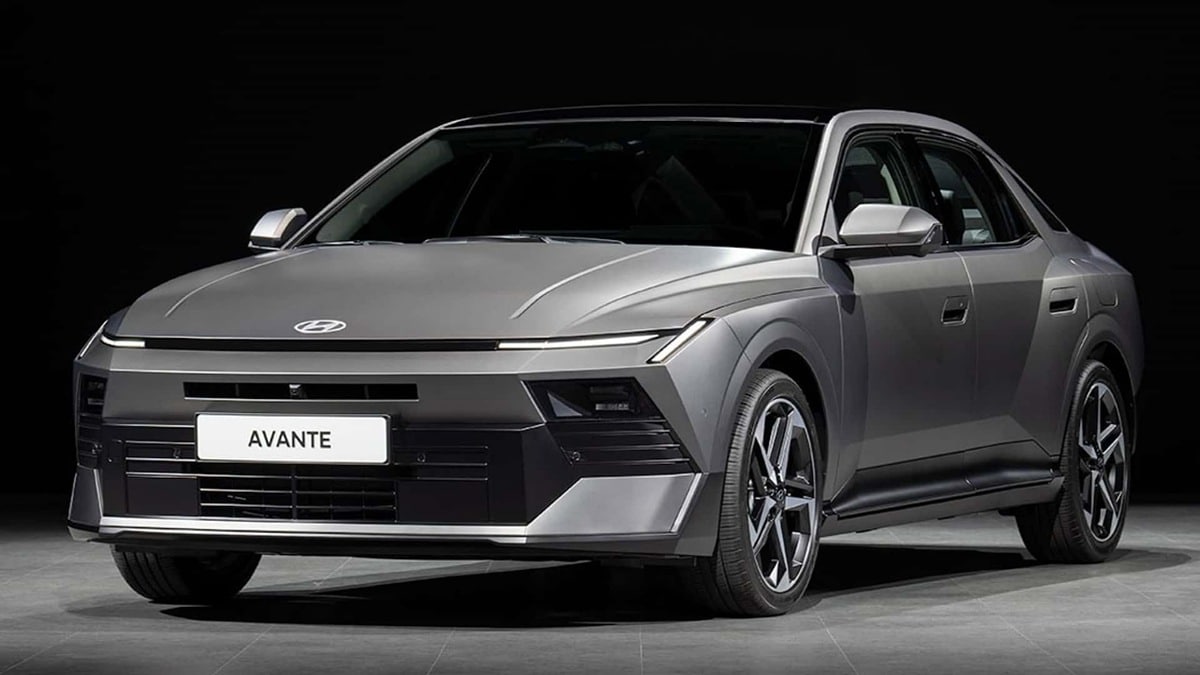
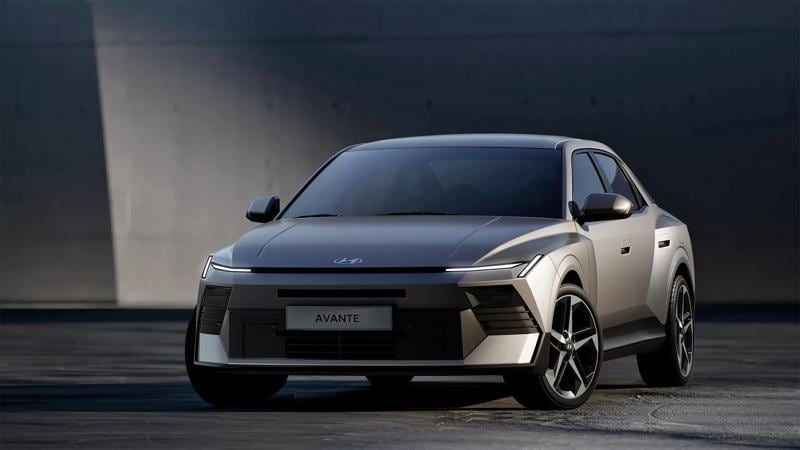
The global automotive landscape requires constant structural recalibration to meet modern efficiency standards. Hyundai recently addressed this demand by unveiling the Eighth Generation Elantra at the 2026 Busan Auto Show. Known in various markets as the Avante, this sedan represents a strategic shift toward high-precision design and integrated digital systems. Hyundai has engineered a vehicle that is longer, wider, and more technologically advanced than any of its predecessors.
Strategic Design and Structural Dimensions
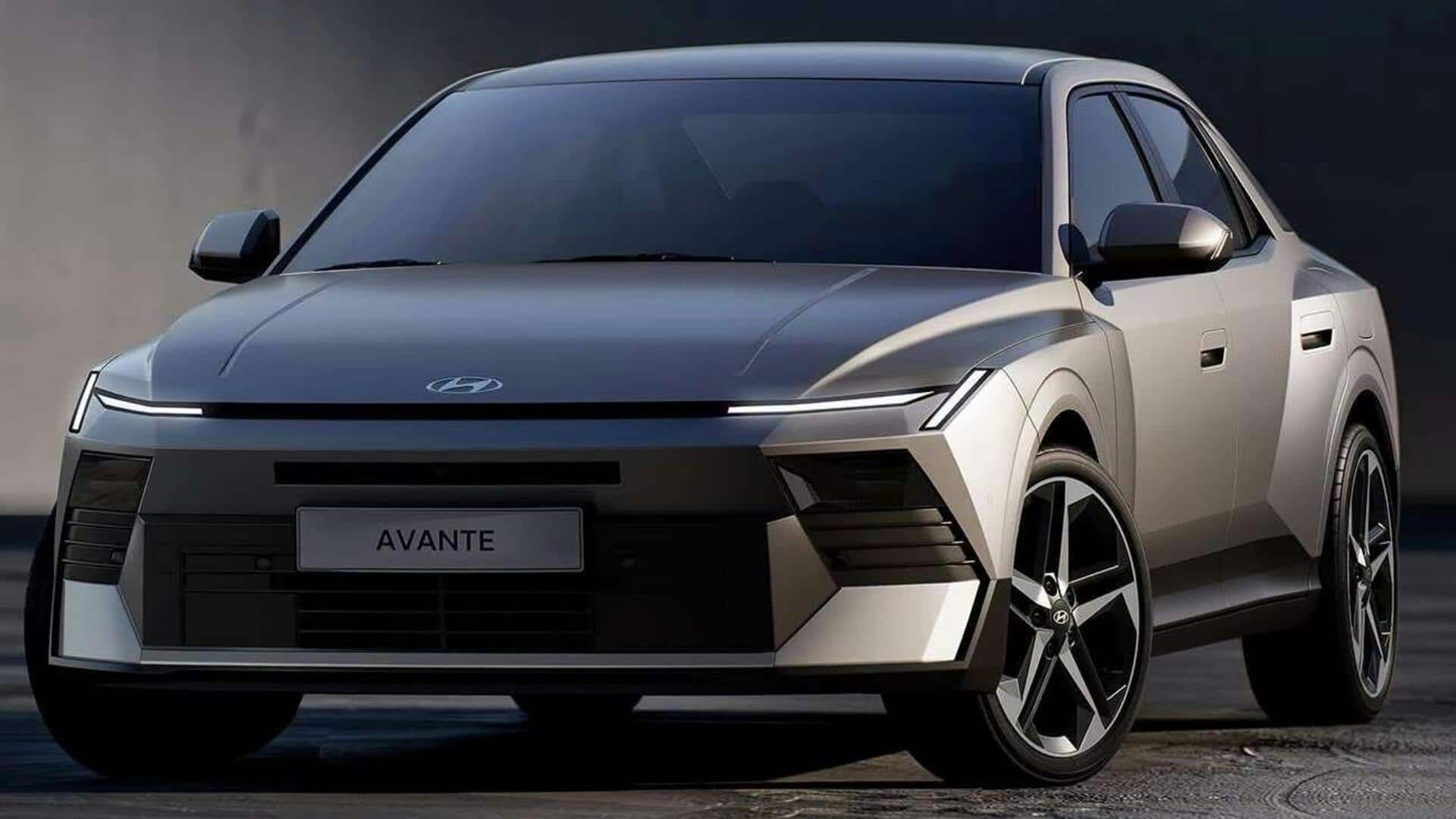
The new model adopts the “Art of Steel” design language, which emphasizes sharper styling and aerodynamic precision. Consequently, the vehicle features flared wheel arches and flush door handles that minimize drag. Specifically, the sedan is now 55 mm longer and 30 mm wider. The wheelbase has been extended to 2,750 mm, which directly translates to a more stable footprint on the road.
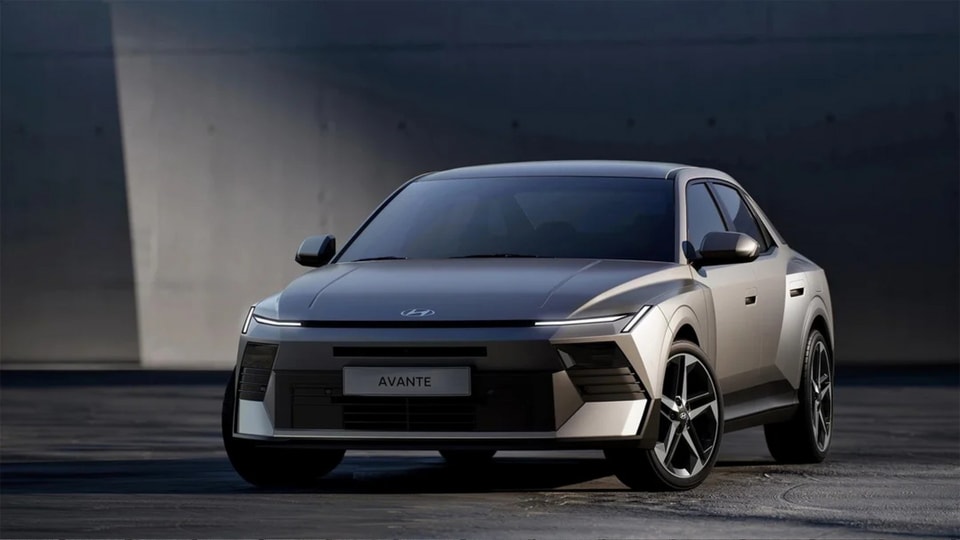
Furthermore, Hyundai designed the Eighth Generation Elantra to provide interior volume comparable to larger midsize sedans. This efficiency in space management ensures that passengers experience premium comfort without the bulk of a traditional full-sized vehicle.
Advanced Interior and Calibrated Technology
Inside the cabin, the transition to a digital-first environment is evident. Hyundai integrated the Pleos infotainment system, which operates on an Android-based architecture. Users can choose between a standard 12.9-inch touchscreen or a flagship 14.6-inch display. The layout remains ergonomic, as designers retained physical controls for essential functions to ensure driver focus is never compromised.
- Dual Wireless Charging: Strategically placed pads for multi-device support.
- Stay Mode: A hybrid-exclusive feature allowing battery usage for AC and tech while parked.
- Precision Controls: A column-mounted gear selector that optimizes center console space.
Powertrain Precision: Hybrid and Gasoline Options
The powertrain lineup reflects a commitment to balanced performance. The naturally aspirated 2.0-liter gasoline engine now produces 147 horsepower, marking a 25-horsepower increase. In contrast, the 1.6-liter hybrid variant generates 155 horsepower. This hybrid model utilizes calibrated regenerative braking technology to maximize energy recovery during urban transit.

The Situation Room
The Translation
The “Art of Steel” philosophy isn’t just about aesthetics; it is a structural mandate to improve vehicle rigidity while reducing weight. By increasing the wheelbase, Hyundai is effectively moving the Elantra into the midsize category’s comfort level while keeping the external dimensions manageable for urban density.
The Socio-Economic Impact
For the Pakistani citizen, this development signals a shift toward sustainable luxury. The introduction of “Stay Mode” in the hybrid variant is particularly relevant for urban professionals who spend significant time in their vehicles. It allows for a mobile office environment without the constant fuel consumption of an idling internal combustion engine.
The Forward Path
We categorize this unveiling as a Momentum Shift. The Eighth Generation Elantra does not merely maintain the status quo; it forces the competition to recalibrate their tech and space-efficiency baselines. If integrated into the local market, it could serve as a catalyst for hybrid adoption among the professional class.