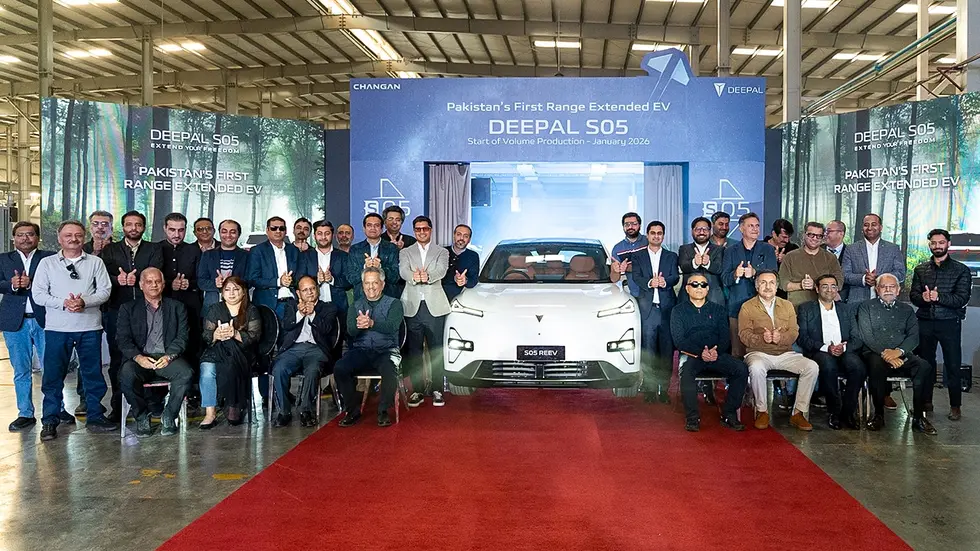
The federal government is currently calibrating a strategic relief package designed to lower hybrid car prices within the upcoming June budget. This structural intervention targets the automotive sector by slashing import duties and expanding critical incentives for New Energy Vehicles (NEVs). Consequently, this policy seeks to stabilize the domestic market while accelerating the adoption of sustainable transport technologies across the nation.
Strategic Shifts to Lower Hybrid Car Prices
Authorities plan to overhaul the existing tariff framework to create a more efficient baseline for the auto industry. Specifically, the proposed policy aims to abolish additional customs duties while gradually lowering regulatory duties under the National Tariff Policy framework. Furthermore, a precision-led 5 percent customs duty on hybrid vehicle parts will likely streamline the current fragmented tariff structure.

Under these refined proposals, the customs duty on auto parts may be fixed at 5 percent, whereas completely assembled vehicle units could face a 10 percent duty. Moreover, the government is eyeing a calibrated duty on Completely Knocked Down (CKD) kits between 5 and 10 percent. This tiered approach ensures that both manufacturers and consumers benefit from a more transparent economic environment.
The Translation: Contextualizing Tariff Reform
In technical terms, the government is shifting from a protectionist stance to a “New Energy” growth model. By lowering the cost of CKD kits and parts, the state is effectively incentivizing local assembly over luxury imports. Consequently, this allows manufacturers to pass cost savings directly to the consumer, making high-efficiency technology a baseline standard rather than a luxury elective.
The Socio-Economic Impact
For the average Pakistani citizen, this development acts as a catalyst for reduced household expenditure on fuel. Lowering hybrid car prices and exempting electric bikes or rickshaws from specific duties empowers middle-income professionals and students to access energy-efficient mobility. Ultimately, this reduces the national reliance on imported fuel, fostering long-term economic resilience for urban and rural households alike.
The Forward Path: Innovator’s Verdict
This development represents a definitive Momentum Shift for Pakistan’s industrial sector. By integrating hybrids into the incentive framework alongside EVs, the government is acknowledging the practical infrastructure realities of our current grid. While these proposals await final review with lending entities, the trajectory suggests a precision-engineered transition toward a cleaner, more efficient automotive ecosystem.