The global mobile ecosystem is witnessing a calibrated evolution as Huawei confirms the Huawei Nova 16 series launch for June 1 in China. This strategic rollout includes four distinct models: the Nova 16, Nova 16 Pro, Nova 16z, and the flagship Nova 16 Ultra. Simultaneously, the tech giant will debut the MatePad Pro Max, reinforcing a synchronized hardware ecosystem designed for high-precision performance.
The Architectural Design of the Huawei Nova 16 Series
Huawei has meticulously engineered the visual identity of the Huawei Nova 16 series to reflect both elegance and utility. The Pro and Ultra iterations feature a sophisticated triple rear camera array, housed within dual circular discs on a structured rectangular island. Notably, these premium models will debut in Iridescent and Sky Blue colorways, emphasizing a modern aesthetic baseline.
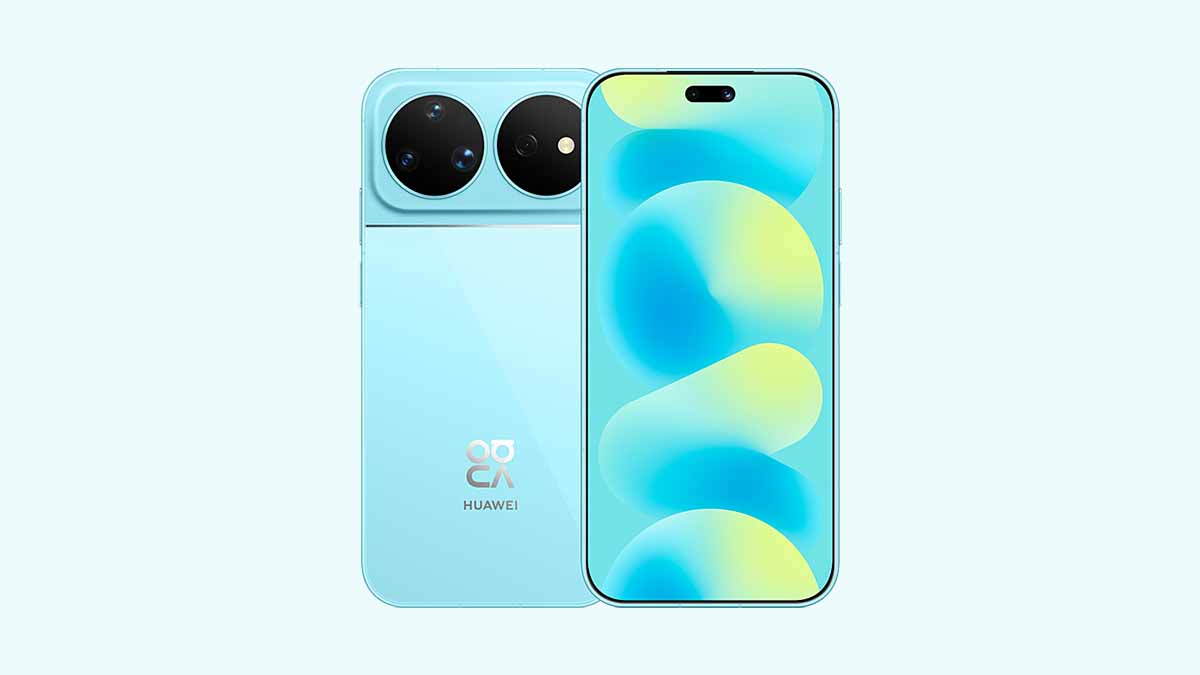
In contrast, the standard Nova 16 utilizes a dual-camera configuration while maintaining the series’ structural design language. The Nova 16z diverges slightly with a unique pill-shaped camera module and dual LED flashes, offering a varied entry point into the lineup’s ecosystem. Consequently, this variety ensures a calibrated fit for different consumer segments.
Technical Specifications and Internal Infrastructure
The Ultra model serves as the technological catalyst for the Huawei Nova 16 series. Leaked data suggests a 6.84-inch LTPO display paired with a high-performance Kirin 9 series chipset. Furthermore, the inclusion of a 7,000mAh battery sets a new industry standard for energy density, ensuring sustained productivity for professional users.
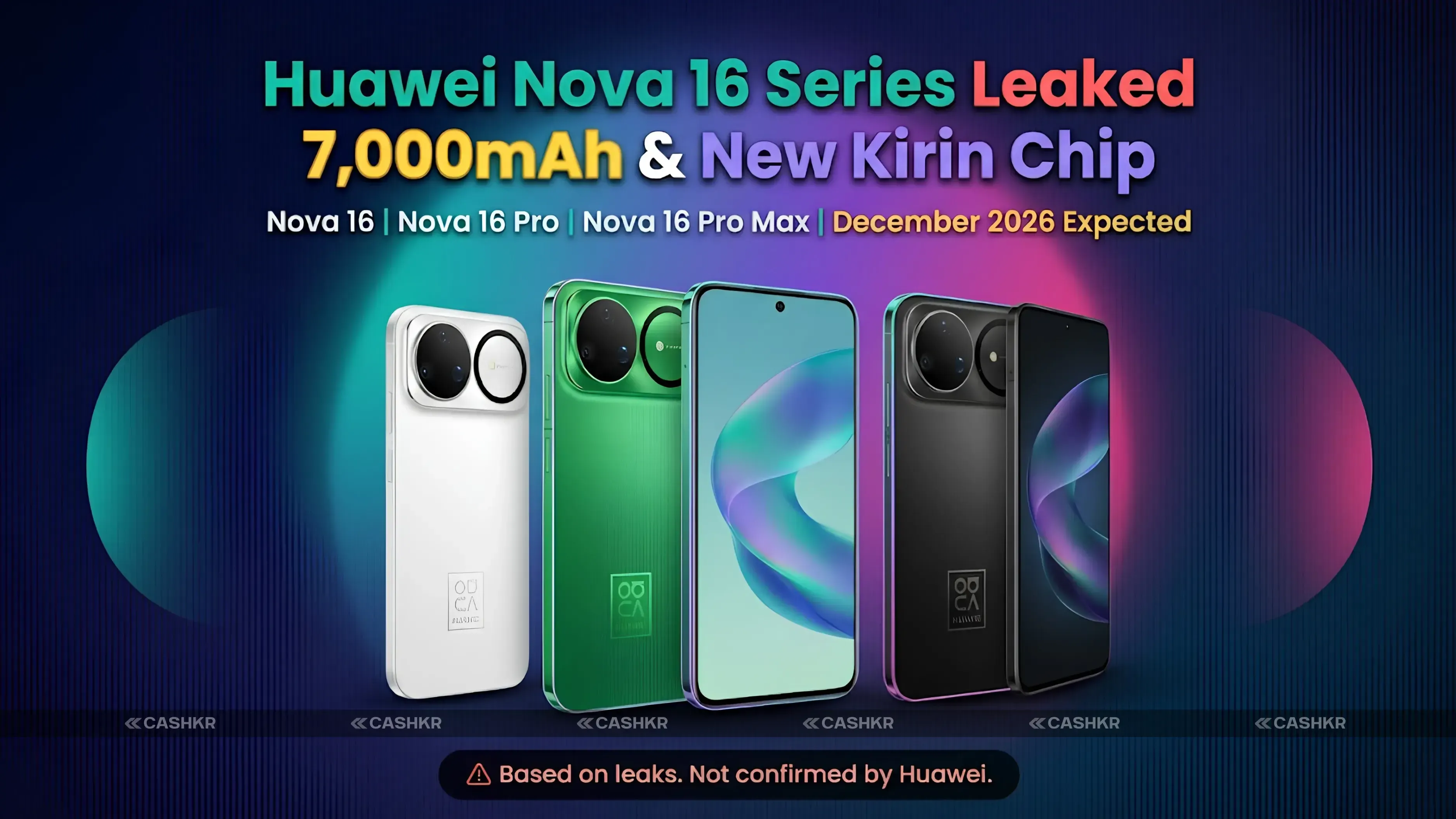
Optical precision is a core focus, with the Ultra model reportedly featuring a 50MP primary sensor (1/1.3 inch). The front-facing architecture also varies, as the Pro and Ultra models employ a pill-shaped dual selfie cutout, while the standard and ‘z’ variants utilize a streamlined single punch-hole design.
The Situation Room: Strategic Analysis
The Translation (Clear Context)
The Huawei Nova 16 series represents more than a simple product refresh; it is a demonstration of Huawei’s supply chain resilience. By integrating the Kirin 9 series chipset and massive 7,000mAh batteries, Huawei is prioritizing internal hardware sovereignty and power efficiency over generic iterative updates. This move signals a transition toward high-end autonomy in mobile processing.
The Socio-Economic Impact
For the Pakistani consumer, particularly those in urban centers like Karachi or Lahore, a 7,000mAh battery is a practical catalyst for productivity. In a region where reliable power access can be variable, high-capacity hardware reduces “range anxiety” for students and digital professionals. Consequently, this enhances the efficiency of the local gig economy and remote learning sectors.
The Forward Path (Opinion)
We classify the launch of the Huawei Nova 16 series as a Momentum Shift. Huawei is no longer just maintaining its presence; it is aggressively pushing the boundaries of battery technology and indigenous chip integration. If this structural precision carries over to global markets, it will significantly disrupt the current mid-to-high-range smartphone hierarchy.