

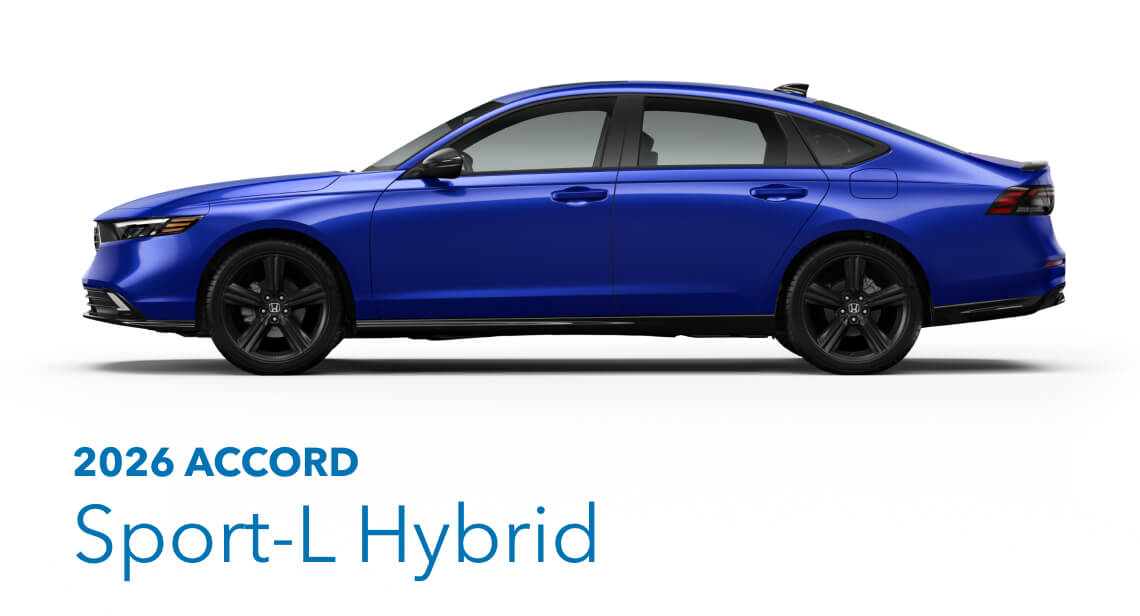
Honda Atlas Cars Pakistan (HCAR) has officially calibrated its focus toward a Honda hybrid strategy integration rather than an immediate jump to battery electric vehicles (BEVs). During a recent corporate briefing, executives clarified that while the technical baseline exists for full electrification, Pakistan’s current infrastructure demands a more pragmatic bridge. This decision positions hybrid technology as the primary catalyst for automotive efficiency in the immediate term.
The Strategic Framework: Why the Honda Hybrid Strategy Leads
The current structural limitations of Pakistan’s power grid and charging network make widespread BEV adoption premature. Consequently, Honda views hybrid models as the precision tool needed to navigate this transitional phase. Analysts from Arif Habib Limited (AHL) indicate that Honda already possesses the necessary localization capabilities to manufacture EVs. However, the company will only trigger this production once market demand demonstrates sustainable momentum.
The Translation: Precision Logic
In technical terms, Honda is opting for a “Modular Transition.” Instead of investing in charging infrastructure that the national grid cannot yet support, they are utilizing self-charging hybrid systems. This logic ensures fuel efficiency without the “range anxiety” typically associated with the current Pakistani energy landscape. It is a strategic move to optimize current resources while waiting for the ecosystem to mature.
Aligning with National Economic Goals
While the federal government pushes for rapid local EV manufacturing to reduce fuel imports, the Honda hybrid strategy prioritizes immediate operational stability. By focusing on hybrids, the company maintains a sustainable supply chain while preparing the workforce for future electrification. This approach balances macroeconomic goals with the practical realities of the Pakistani consumer and the existing manufacturing baseline.
The Socio-Economic Impact
For the average Pakistani household, this shift translates to reduced monthly fuel expenditures without the high upfront cost of installing home charging stations. For students and young professionals, it signals a gradual evolution of the automotive labor market. The industry is shifting from traditional combustion engines to sophisticated hybrid maintenance before eventually reaching full EV integration. This protects jobs while upgrading the national skill set.
The Forward Path: Our Expert Opinion
This development represents a Stabilization Move. While some may view it as a delay in innovation, it is actually a calculated maneuver to prevent a market collapse due to infrastructure mismatch. Honda is building a resilient foundation, ensuring that when the full shift to electric occurs, the system is prepared to sustain it. It is a win for practical engineering over idealistic projections.








