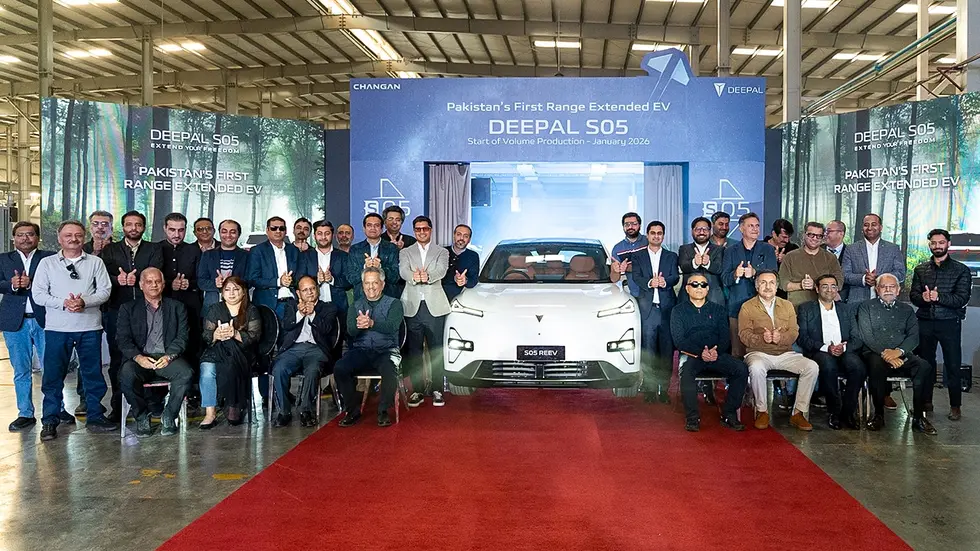
The global automotive hierarchy is currently undergoing a radical recalibration as Chinese EV makers redefine the standards of production efficiency. Honda CEO Toshihiro Mibe recently issued a stark assessment after inspecting a highly automated manufacturing plant in China. He admitted that the speed and logistical precision of these competitors represent a structural advantage that traditional automakers cannot yet match. Consequently, this admission signals a critical inflection point for the global transition to sustainable mobility.
The Structural Superiority of Chinese EV Makers
Mibe’s concern originates from the unprecedented level of factory automation observed during his visit. Specifically, he highlighted production floors where parts sourcing and logistics operate with almost zero human intervention. This precision-engineered workflow allows regional competitors to scale rapidly while maintaining aggressive price points. Furthermore, Honda faced significant friction in mid-2025 when a sudden policy shift in the United States removed critical EV tax credits. Consequently, the company adjusted its strategy after reporting losses exceeding $15 billion.

The Translation (Clear Context)
While legacy brands focused on perfecting mechanical engineering, their competitors built an ecosystem of digital-first manufacturing. This gap is not merely about car quality; it is about a calibrated supply chain where robots manage the entire lifecycle from inventory to final logistics. As a result, the “execution gap” Mibe identified is a byproduct of a faster, software-driven industrial architecture. Traditional automakers now face the daunting task of retrofitting old systems to compete with these integrated digital giants.
The Socio-Economic Impact
For the Pakistani citizen, this shift in manufacturing dominance will likely determine the affordability of future transport. As Chinese EV makers achieve higher economies of scale, their exports will become the most viable option for developing markets. This development could accelerate Pakistan’s national shift away from expensive fossil fuels, directly lowering the cost of living for urban households. Moreover, the increased competition may force local assemblers to adopt similar automation technologies to remain relevant.
The Forward Path (Opinion)
This development represents a definitive “Momentum Shift.” Honda’s candid admission acts as a necessary catalyst for structural reform within the Japanese automotive sector. However, surviving this transition requires more than just capital; it demands an architectural overhaul of the production floor. Stabilization will only occur when legacy manufacturers can match the precision and speed of their new rivals.