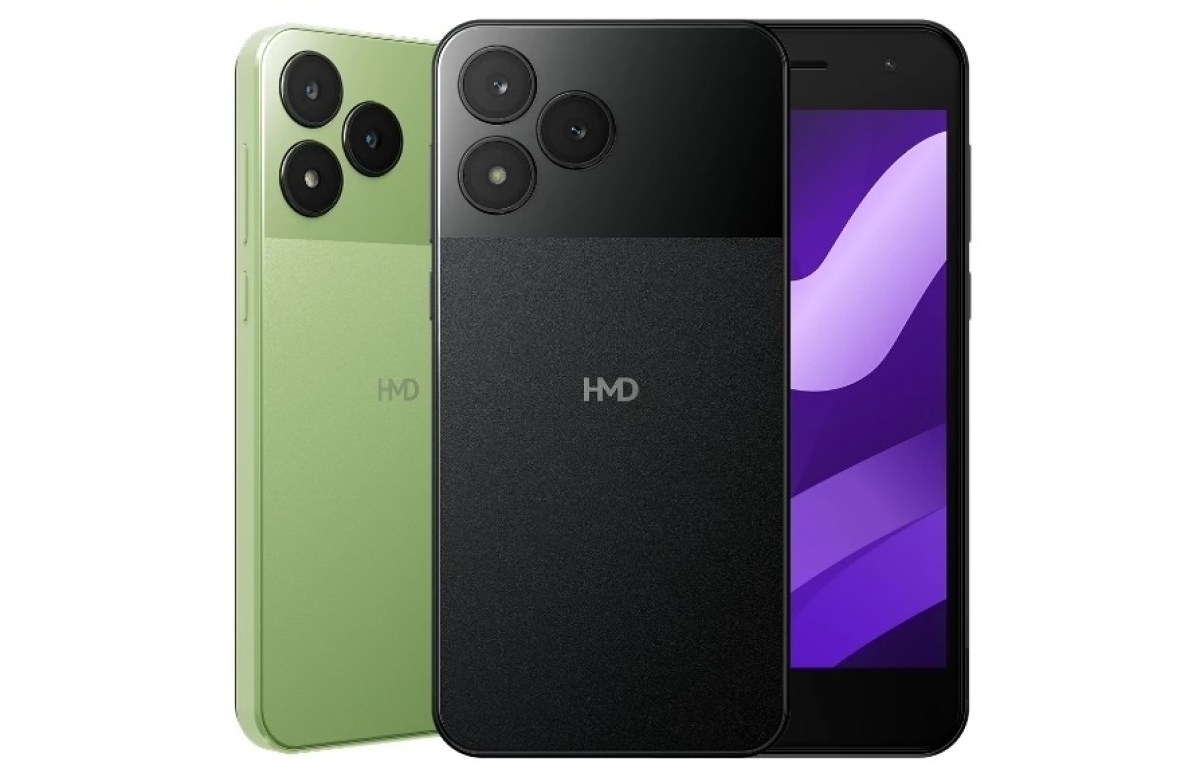
The HMD Asha 305 has officially launched as a strategic “lite smartphone” designed to bridge the gap between traditional utility and modern connectivity. Consequently, this $65 device provides a calibrated entry point for users seeking essential digital tools without the complexity of high-end flagship systems. By integrating a removable battery and 4G support, HMD targets structural efficiency in emerging digital markets.
Architectural Design and Visual Interface
HMD engineered the HMD Asha 305 with a focus on functional durability. The device features a 5-inch LCD panel with a calibrated resolution of 480 × 854 pixels. Furthermore, the inclusion of a user-replaceable battery highlights a commitment to hardware longevity. This design choice allows users to maintain their devices without requiring specialized technical intervention.

Available in two distinct color profiles, the chassis maintains a sleek yet utilitarian aesthetic. Consequently, it appeals to professionals who prioritize reliability over decorative excess. The lightweight build ensures that the device remains a precision tool for daily communication and data management.
Internal Mechanics and Pulse OS Ecosystem
The internal architecture of the HMD Asha 305 relies on the Unisoc SC9832E chipset. This quad-core processor, paired with 2GB of RAM, facilitates a stable baseline for essential multitasking. Moreover, the 16GB of internal storage provides sufficient space for the Pulse OS ecosystem, which is an optimized version of the Android Open Source Project.
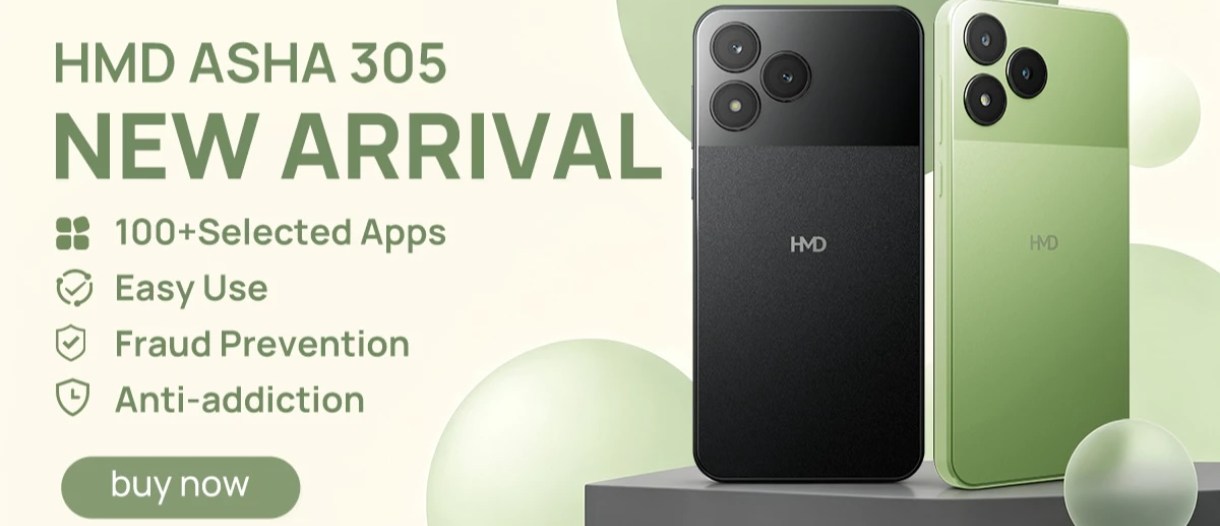
- Software Support: Access to over 100 calibrated “Lite” applications, including WhatsApp, TikTok, and Facebook.
- Connectivity Matrix: Dual 4G SIM support, Wi-Fi, GPS, and Bluetooth 4.2.
- Audio Utility: Retains the 3.5mm headphone jack for universal compatibility.
The 2MP primary camera and 2MP front-facing sensor provide basic imaging capabilities. While not intended for high-fidelity photography, these components serve as essential catalysts for video conferencing and rapid documentation.
Technical Specifications Baseline
| Component | Specification |
|---|---|
| Chipset | Unisoc SC9832E (28nm) |
| Display | 5.0-inch TFT, 480 × 854 pixels |
| Memory | 2GB RAM / 16GB Storage |
| Battery | 2,500mAh Li-Ion (Removable) |
| Price | $65 USD |
The Translation: Contextualizing “Lite” Performance
In technical terms, the “Lite” designation indicates that the HMD Asha 305 is optimized for efficiency rather than raw power. By utilizing “Lite” versions of popular apps, the system reduces data consumption and minimizes RAM usage. This ensures a fluid experience on modest hardware, effectively extending the lifecycle of the device’s components.
The Socio-Economic Impact: Digital Inclusion
For the average Pakistani household or student, the HMD Asha 305 acts as a critical catalyst for digital inclusion. At a $65 price point, it lowers the barrier to entry for 4G connectivity. This allows remote workers and students in rural areas to access educational resources and global marketplaces without the prohibitive cost of premium hardware. Furthermore, the removable battery reduces long-term maintenance costs, as users can simply swap a degraded cell instead of replacing the entire unit.
The Forward Path: A Strategic Stabilization Move
Our analysis identifies this release as a Stabilization Move for HMD. Rather than attempting to disrupt the flagship market, HMD is fortifying its presence in the “bridge” segment. By providing a reliable, 4G-capable device with repairable components, they are securing a baseline of loyal users who prioritize utility and economic sense. This represents a pragmatic step toward sustainable technology distribution.