
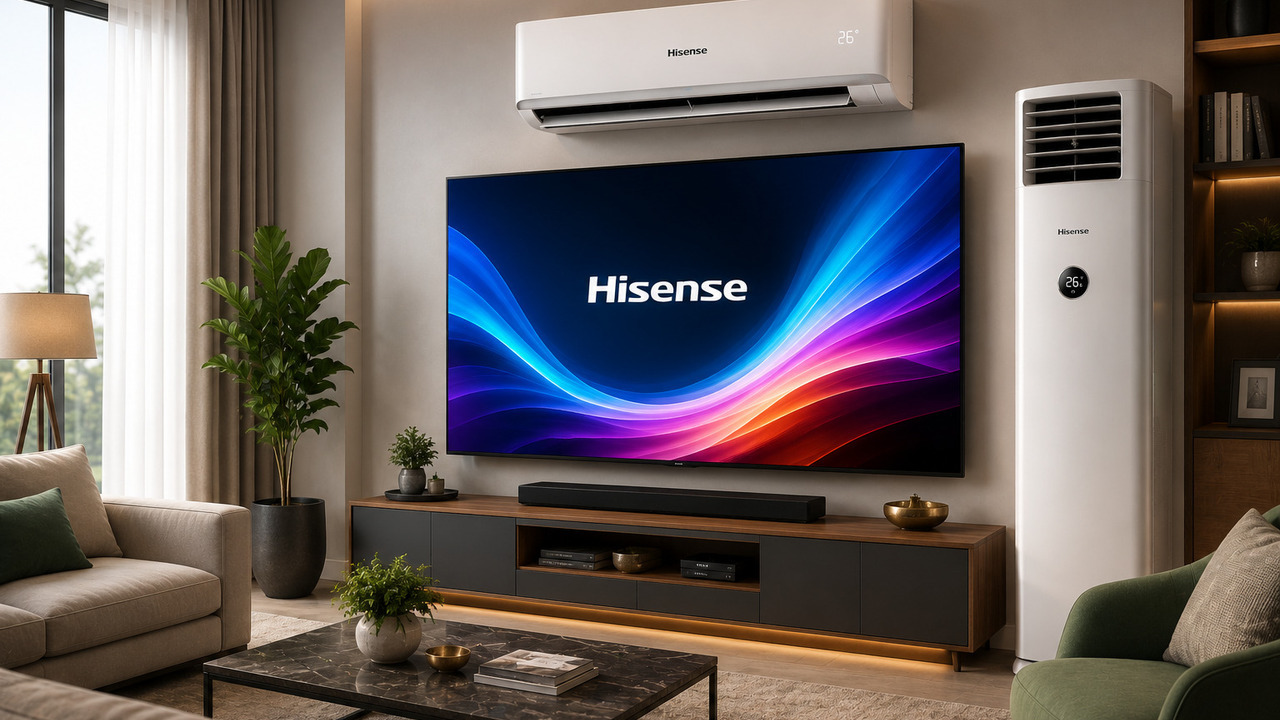
The structural alignment of global display giants with local manufacturing powerhouses represents a calibrated leap toward Pakistan’s industrial self-reliance. Airlink Communication Limited has officially established Hisense Pakistan as a cornerstone of its consumer electronics portfolio. This strategic partnership integrates global display technology with a robust nationwide distribution and manufacturing ecosystem. Consequently, this move signals a precision-calibrated effort to modernize Pakistani households through high-efficiency smart appliances.
Next-Gen Display Technology: Hisense Pakistan TVs
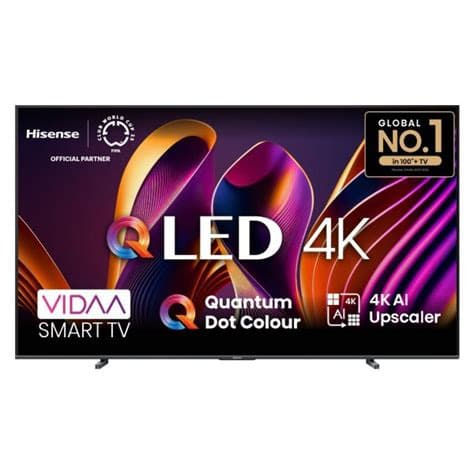
The initial phase of this partnership focuses heavily on visual precision. The Hisense Pakistan television lineup includes the A4N Smart TV, A6K UHD, and the premium Q6N and Q7N QLED models. These units range from 32-inch displays to expansive 75-inch screens, catering to diverse consumer baselines. Furthermore, the integration of VIDAA, Google TV support, and AI Sports modes ensures that the hardware meets modern digital standards.
Precision Cooling: Advanced Inverter AC Solutions
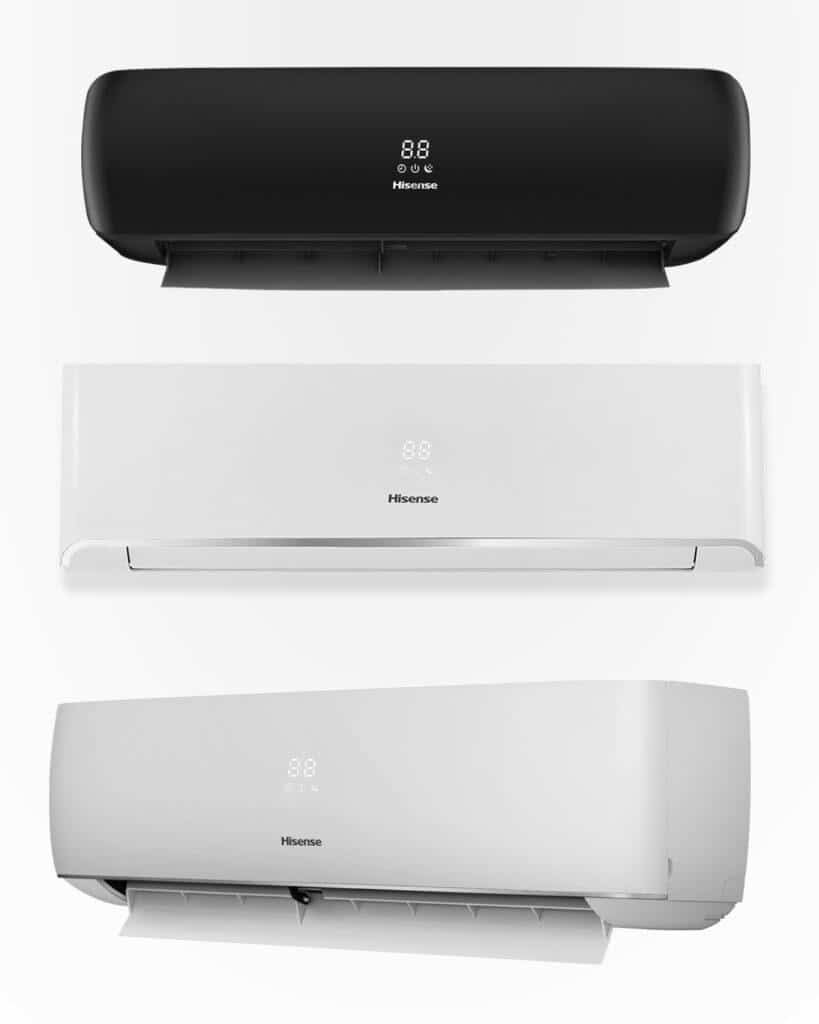
To address the regional climate challenges, the Hisense Pakistan air conditioner range introduces high-efficiency inverter technology. The lineup features wall-mounted splits, floor-standing units, and ceiling cassettes. Notably, the TG and TV series utilize “Smart Eye” and TMS Comfort Control Systems to optimize energy consumption. These systems represent a catalyst for reducing household utility costs through full DC inverter technology and self-cleaning mechanisms.
The Situation Room: Strategic Analysis
The Translation
This is not merely a retail agreement; it is a technology transfer initiative. By utilizing Airlink’s 1.4 million square foot facility in the Sundar Special Economic Zone, Hisense is localizing its supply chain. This shift from “import-and-sell” to “produce-and-distribute” allows for better price calibration and faster technical support within the local market.
The Socio-Economic Impact
The impact on the Pakistani citizen is two-fold. First, “Buy Now Pay Later” (BNPL) financing solutions lower the entry barrier for high-end tech. Second, the operation sustains over 2,500 jobs, with a strategic 20% female workforce participation rate. This strengthens the economic baseline of families while reducing the national reliance on finished-good imports.
The Forward Path
We categorize this development as a Momentum Shift. The arrival of a global player like Hisense, backed by government manufacturing incentives, validates Pakistan’s potential as a regional technology hub. If the local value addition continues to scale, this partnership could serve as a blueprint for future industrial exports.
Government and Industrial Synergy
Special Assistant to the Prime Minister, Haroon Akhtar Khan, noted that the arrival of Hisense Pakistan reflects a shift toward a manufacturing-centric economy. Airlink CEO Muzaffar Piracha emphasized that the company will continue investing in local innovation under the “Made in Pakistan” vision. This collaboration effectively combines global R&D with local industrial capacity to stabilize the national trade balance.








