
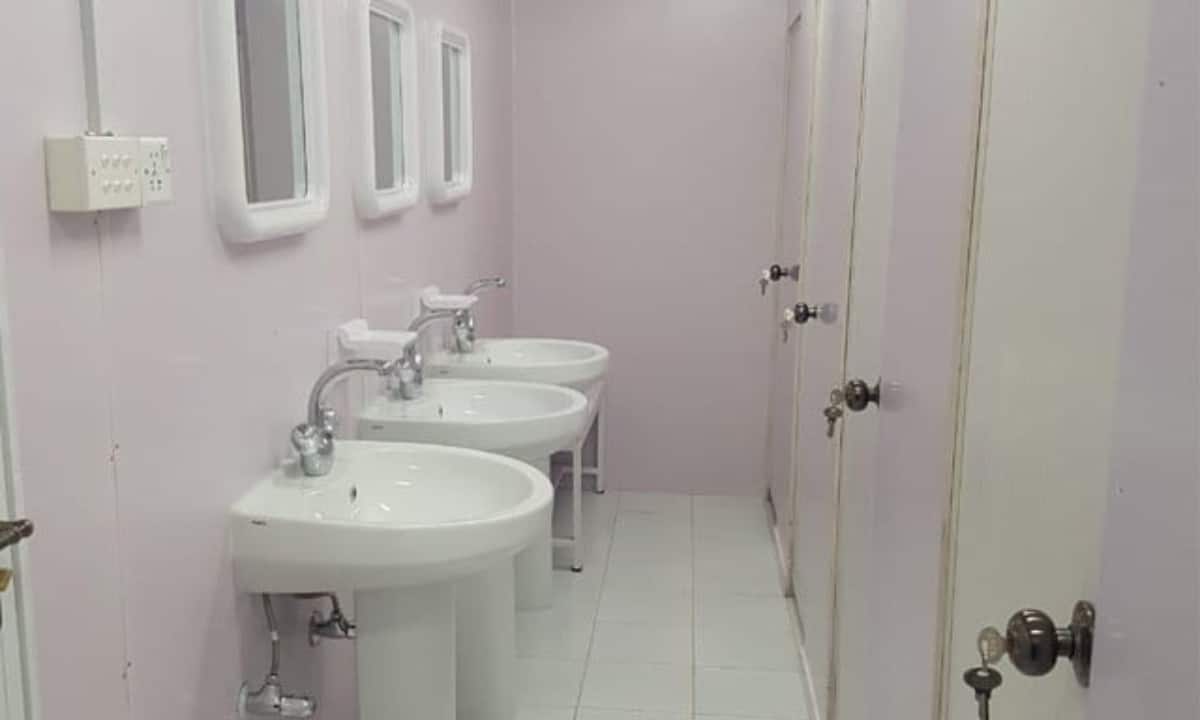
A private hospital in Murree recently compromised the fundamental baseline of patient safety after authorities discovered a hidden camera privacy breach in the women’s washrooms. Consequently, the Murree Police Station registered a formal case to investigate the unauthorized recording of female visitors. This incident serves as a catalyst for a broader discussion regarding the structural integrity of privacy protocols within Pakistan’s private sector.
Strategic Response to Hidden Camera Privacy Breaches
The situation escalated when a visitor identified secret recording devices intentionally installed within the facility. Following this discovery, police officials requested comprehensive CCTV footage from the hospital administration to identify the precision of the installation and those responsible. Furthermore, the authorities have initiated a strategic trace of the suspects named in the First Information Report (FIR). The victim’s family continues to demand a calibrated legal response to ensure such systemic vulnerabilities are permanently addressed.
The Translation: Analyzing Institutional Oversight
In this context, the “privacy violation” represents more than a criminal act; it indicates a failure in institutional security architecture. When private entities manage public-facing spaces, they must implement a baseline of digital and physical surveillance audits. The presence of these devices suggests a lack of periodic sweeps and a breakdown in the chain of command. Consequently, the legal system must treat this as a breach of duty of care rather than an isolated incident of voyeurism.
The Socio-Economic Impact: Trust as a Catalyst for Progress
The repercussions of such breaches extend deep into the socio-economic fabric of Pakistan. When the sanctity of healthcare spaces is compromised, the following impacts occur:
- Erosion of Institutional Trust: Citizens, particularly women, may hesitate to visit private facilities, delaying critical medical interventions.
- Economic Friction: The healthcare sector relies on the baseline assumption of safety; recurring scandals create a precision deficit that discourages private investment.
- Human Capital Vulnerability: Professionals and students in urban and rural areas face psychological barriers that hinder their mobility and participation in the public workforce.
The Forward Path: A Stabilization Move
Our expert analysis classifies this development as a Stabilization Move. While the police intervention is necessary, the state must now implement structural reforms to prevent future occurrences. We advocate for a mandatory “Digital Privacy Certification” for all private hostels, hospitals, and educational institutions. By establishing a strategic framework for regular security sweeps, Pakistan can restore the baseline of safety required for a modern, progressive society.








