
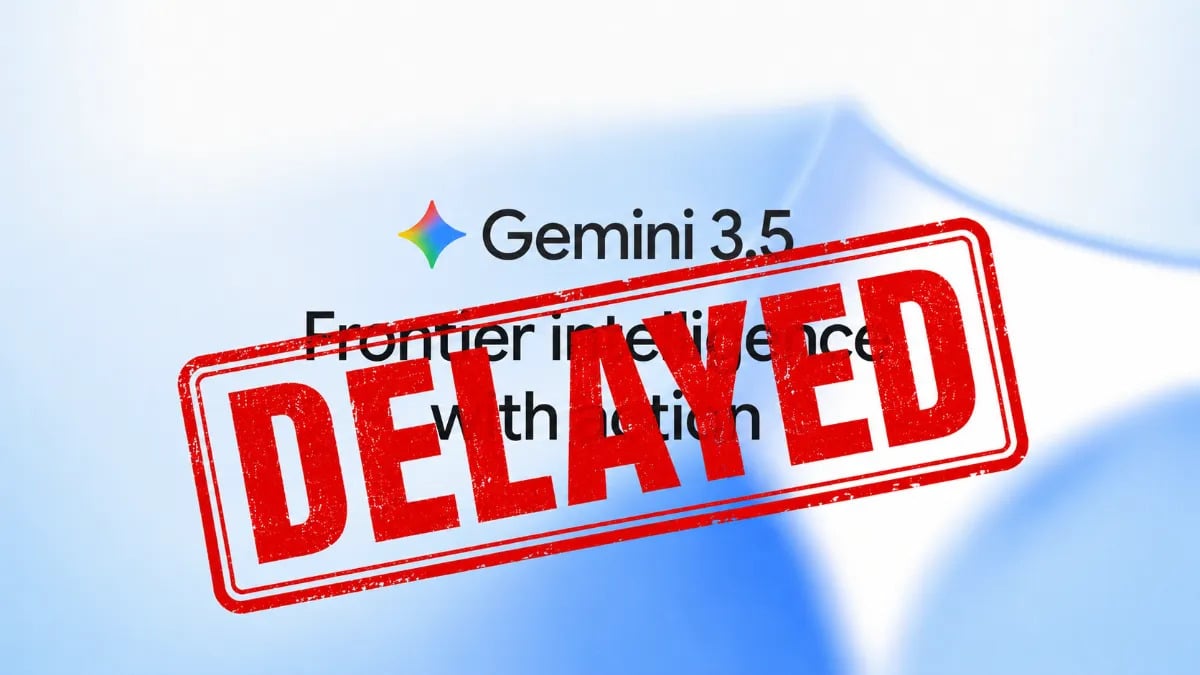
The global AI landscape is witnessing a calibrated pause as the Gemini 3.5 Pro delay signals deeper architectural challenges within Google. Although the tech giant aimed for a June rollout, internal benchmarks for AI-assisted coding remain unmet. Consequently, this allows rivals like OpenAI and Anthropic to capture critical market share in the high-stakes coding sector. This strategic setback highlights a precision gap that Google must bridge to maintain its status as a system leader.
The Root Causes of the Gemini 3.5 Pro Delay
Internal reports indicate that coding performance remains the primary obstacle for Google’s flagship model. Specifically, Alphabet CEO Sundar Pichai previously hinted at a June release during the Google I/O conference. However, the system failed to achieve the necessary accuracy in generating complex code. Furthermore, engineers updated training datasets late last month, yet these efforts fell short of internal expectations. As a result, the delay has triggered concerns among AI researchers who observe competitors releasing superior coding frameworks.

Organizational friction also contributes to the slower pace of development. Multiple teams across Google Cloud, DeepMind, and Android are currently developing overlapping AI coding tools. This internal competition creates a decentralized workflow that hampers efficiency. Consequently, Chief AI Architect Koray Kavukcuoglu is now working to unify these disparate projects under a singular structural hierarchy.
Market Volatility and Talent Migration
The market reacted sharply to news of the Gemini 3.5 Pro delay, causing Alphabet shares to decline by nearly 4 percent. Investors worry that Google is losing its competitive edge in the generative AI race. Simultaneously, senior engineers are leaving the company for rivals like Anthropic, citing frustration with internal compute limits. Currently, only select research groups at Google have access to high-tier AI tools, creating a bottleneck for external customers and internal developers alike.
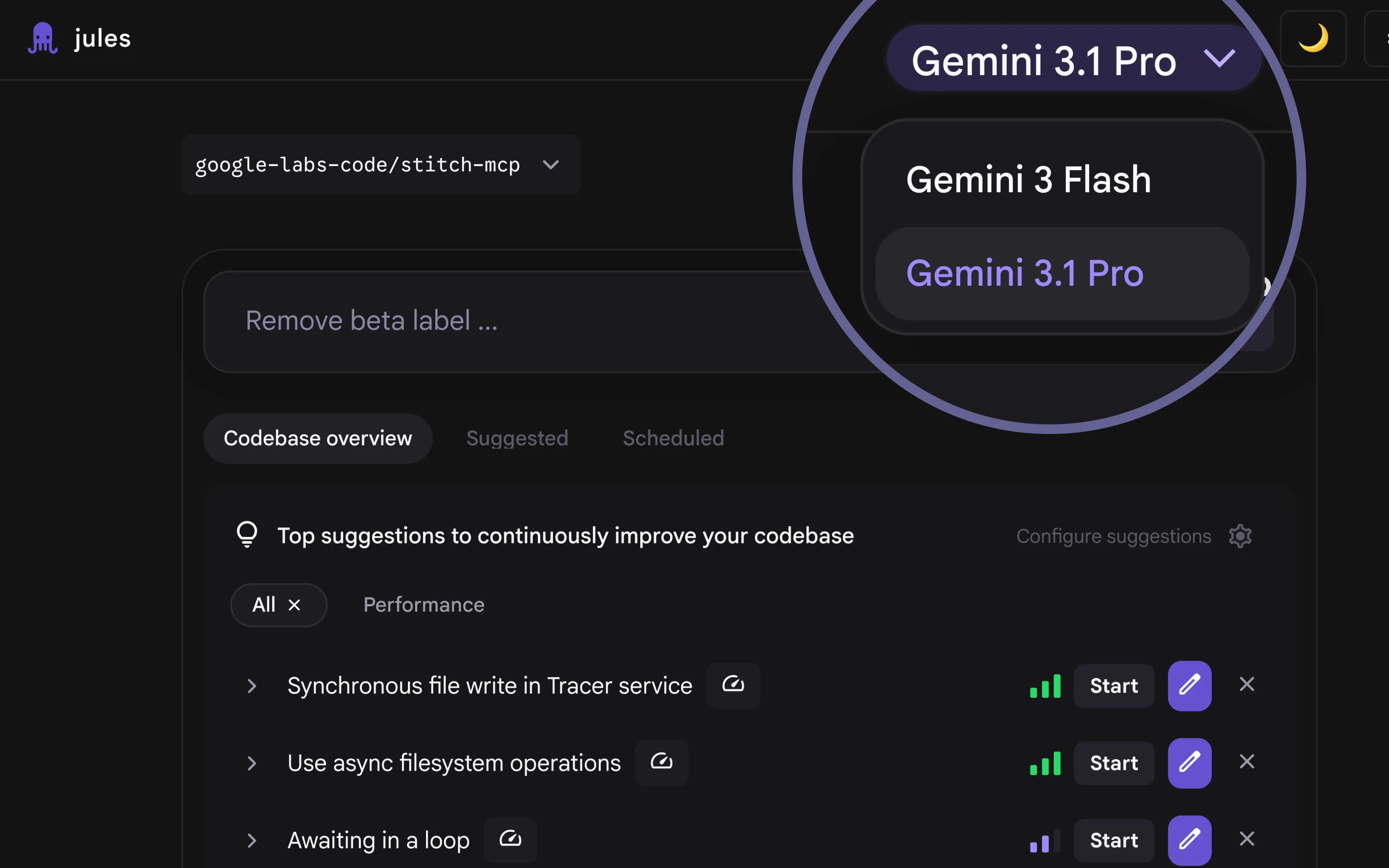
Feedback from the tech community remains divided regarding Google’s existing models. For instance, companies like Figma appreciate the speed of the current Flash model. In contrast, platforms like Platzi have transitioned to Anthropic’s Claude, citing better cost-effectiveness and performance. Google maintains that it is shipping quickly, yet the market demands the precision promised by the Pro upgrade.
The Translation (Clear Context)
In simple terms, Google is struggling to teach its AI how to write computer code at a professional level. Coding is the “logic baseline” for advanced AI; if a model cannot code, it cannot solve complex logical problems efficiently. The Gemini 3.5 Pro delay isn’t just a missed deadline. It is a sign that Google’s internal teams are stepping on each other’s toes instead of moving in a synchronized direction. This structural chaos is preventing their most powerful AI from being ready for public use.
The Socio-Economic Impact
For the average Pakistani developer and student, this development is a catalyst for platform shifts. Many local tech startups rely on Google’s ecosystem for affordable AI integration. However, the Gemini 3.5 Pro delay forces these professionals to seek more expensive alternatives from the US or Europe to stay competitive. In a country where digital efficiency is the key to economic mobility, a delay in these tools means a slower pace of innovation for Pakistani software houses and freelancers.
The Forward Path (Opinion)
This development represents a Stabilization Move rather than a total collapse. Google is prioritizing quality over speed to avoid launching a flawed product that could damage its long-term credibility. While the current Gemini 3.5 Pro delay hurts their stock price today, fixing the internal “Antigravity” platform and unifying their teams will create a stronger foundation for the future. For Pakistan’s tech sector, this is a reminder to diversify toolsets and not rely on a single AI provider for critical infrastructure.








