
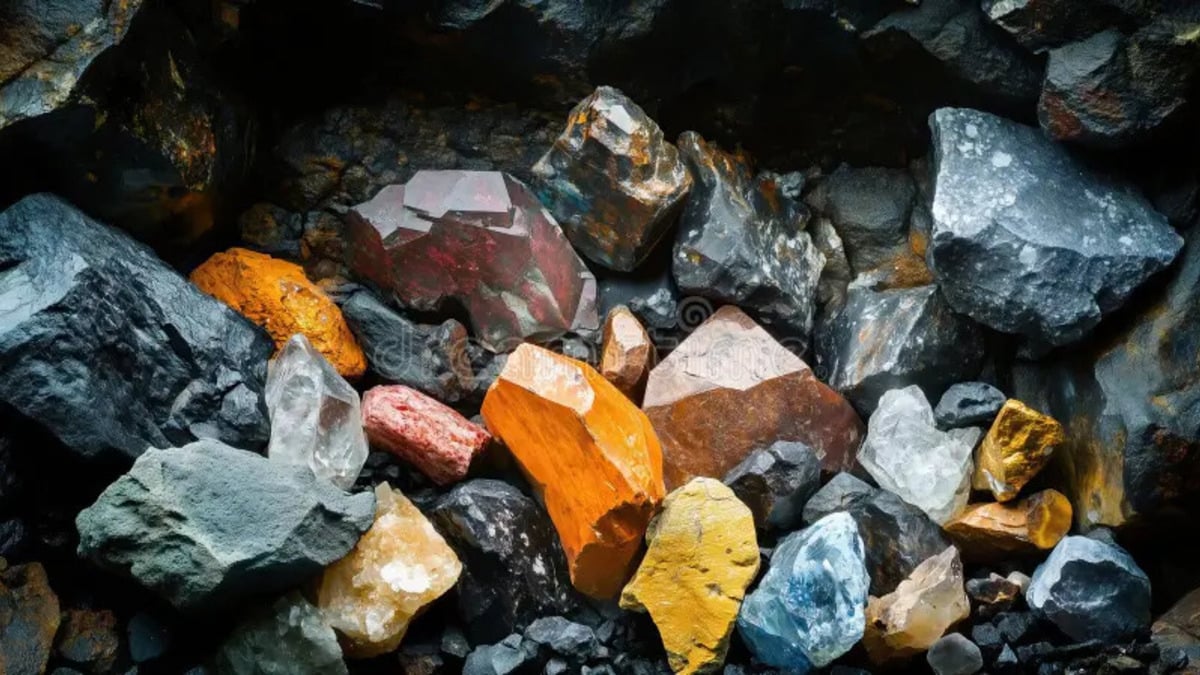
The structural health of a nation’s economy often mirrors its ability to harness raw materials with precision and efficiency. Pakistan mineral extraction recorded a calibrated growth of 0.4 percent in FY2026, marking a strategic pivot after four consecutive years of industrial contraction. This baseline recovery, highlighted in the latest Pakistan Economic Survey, suggests a critical stabilization in the mining and quarrying sector.
Strategic Shifts in Pakistan Mineral Extraction
Data from the July-March FY2026 period indicates that specific industrial inputs are driving this momentum. The extraction of Magnesite surged by an unprecedented 164.8 percent, serving as a primary catalyst for the sector’s positive trajectory. Furthermore, Rock Salt production saw a robust increase of 109.9 percent, reinforcing Pakistan’s position as a global supplier of this essential mineral.
- Gypsum: Extraction rose by 67.0 percent, supporting the construction baseline.
- Iron Ore: Increased by 41.5 percent, vital for domestic steel production.
- Limestone: Grew by 25.1 percent, reflecting infrastructure demand.
- Coal: Production increased by 6.5 percent, aiding energy self-reliance.
Calibrating the Decline: Underperforming Sectors
Despite the overall growth in Pakistan mineral extraction, several sectors faced significant structural pressure. Sulphur recorded the most drastic decline at 68.0 percent, while Chromite production fell by over half. These fluctuations highlight an uneven recovery across the mineral landscape.
- Soapstone: Declined by 24.7 percent.
- Barytes: Production dropped by 20.7 percent.
- Natural Gas & Crude Oil: Faced marginal declines of 3.7 percent and 0.6 percent, respectively.
The Translation (Clear Context)
While a 0.4 percent growth rate may seem marginal, its significance lies in the reversal of a four-year downward trend. In economic terms, this represents a “trough” exit—the point where a sector stops shrinking and begins a structural rebuild. The high growth in magnesite and rock salt suggests that Pakistan is successfully tapping into high-demand industrial minerals, even as traditional energy extraction (oil and gas) remains stagnant.
The Socio-Economic Impact
For the average Pakistani citizen, this shift is a precursor to industrial stability. Increased limestone and gypsum extraction directly correlate with lower costs for construction materials, potentially easing the housing market’s financial burden. Additionally, the rise in coal production reduces the precision-gap in our energy mix, potentially stabilizing electricity costs for urban households and rural industries alike.
The Forward Path (Opinion)
This development represents a Stabilization Move rather than a full-throttle momentum shift. The data confirms that while we have arrested the decline, the growth remains uneven. To transition into a high-momentum phase, Pakistan must pivot from raw mineral extraction to value-added processing. We have the raw materials; the next strategic baseline must be domestic refining to maximize export revenue and industrial efficiency.








